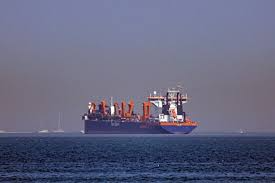
On June 1, 2026, crude oil prices jumped sharply after reports of heightened military activity and disruptions near the Strait of Hormuz prompted traders to reassess short term supply risks. The waterway funnels roughly a fifth of the world’s seaborne oil shipments, so even the suggestion of constrained passage can rattle markets and set off a chain of reactions from refineries, shipping firms, and national policymakers.
What Happened and How Markets Reacted
Early trading reflected a rapid repricing of risk. Front month Brent futures rose by several dollars per barrel as buyers raced to cover positions and hedgers sought protection. Market participants cited satellite imagery and regional dispatches showing naval maneuvers and restricted transits in a stretch known for its strategic chokepoint. The surge in prices mirrored an immediate squeeze in perceived available capacity for shipments from the Gulf, an area that supplies crude to Europe, Asia, and beyond.
For traders the calculus is simple. When transit times lengthen or tanker insurers impose additional premiums for voyages through contested waters, effective supply tightens even if physical barrels remain in storage. That combination of logistical friction and higher transit cost quickly moves into refining economics and wholesale fuel prices, affecting margins for downstream operators and retail pump prices for consumers.
Immediate Impacts on Shipping and Insurance
Shipowners and charterers responded by rerouting some tankers around alternative pathways where feasible, increasing voyage time and freight costs. Others delayed departures from Gulf terminals pending clearer security assessments. Marine insurers and war risk underwriters raised premiums for transits through affected corridors, a move that can add meaningful costs to each voyage and be passed along through contract terms between producers and buyers.
The net effect is that even short lived disruptions can amplify market volatility. Freight differentials widened, and industry groups urged shippers to adhere to safety advisories. Ports receiving Gulf crude signaled contingency plans to manage scheduling shifts and buffer inventories while traders recalibrated delivery schedules and forward curves.
Refineries, Inventories, and Regional Variations
Refiners that rely on Middle Eastern sour and medium crudes began assessing feedstock flexibility. Some facilities with flexible crude towers and coking capacity can switch grades with manageable cost, while others operating on narrow intake specifications face more acute risks to run schedules and throughput. Those refineries more exposed to Gulf supply chains may lift purchases on the prompt market or draw down inventories, which can depress local supply and raise regional product spreads.
Inventory data will matter in the coming days. Commercial stockpile levels, strategic petroleum reserves, and tanker storage volumes influence how long markets tolerate tightened flows before physical shortages or materially higher prices emerge. Countries dependent on seaborne imports will monitor port receipts and refinery runs to gauge near term vulnerability.
Who Is Most Affected
Exporting nations in the Gulf face reputational and commercial costs if shipping disruptions persist because buyers might seek longer term diversification. Import dependent nations in Europe and Asia are most exposed to price pass through into refined fuels and industrial energy costs. Financial markets and commodity linked currencies may also feel stress as investors reprice risk premia and consider potential monetary policy implications through inflationary pressures.
Energy intensive industries such as chemicals, aviation, and shipping itself are likely to see immediate cost pressure. Airlines in particular watch jet fuel spreads closely because sudden crude price moves quickly translate into operating expense increases and can affect ticket pricing and capacity decisions if trends persist.
Geopolitical Consequences and Policy Options
Tensions around the Strait of Hormuz often trigger diplomatic engagement and contingency planning. Consumer countries typically pursue several parallel responses: urging de escalation through diplomatic channels, coordinating releases from strategic reserves to stabilize markets, and seeking alternative supply routes and source diversification. Regional partners may increase naval escorts for merchant convoys and expand surveillance to reassure commercial shippers.
Policy responses are constrained by timing and logistics. Releasing reserve barrels can dampen price spikes but requires careful calibration to avoid signaling panic. Longer term measures include accelerating diversification of import sources, expanding refining flexibility, and investing in alternative energy and storage to reduce vulnerability to chokepoint shocks.
Energy Security Versus Market Signals
There is often a tension between visible security measures and market psychology. Displaying a strong naval presence or coordinated sanctions can reassure some observers while provoking further unease among traders. Investors parse official statements, shipping advisories, and daily cargo flows to judge whether the disruption is tactical and contained or symptomatic of a broader escalation that could last weeks or months.
Energy ministers and finance officials will likely consult with industry trade groups and international partners to weigh interventions. The effectiveness of such measures depends on timely data sharing, credible commitments to maintain trade lanes, and a realistic assessment of the logistical limits of substituting crude grades and sourcing patterns.
Longer Term Implications for Global Energy Markets
Repeated incidents near strategic chokepoints strengthen the business case for supply diversification and logistical resilience. Shippers and refiners may accelerate plans to secure longer term contracts with producers farther afield, invest in larger afloat storage capacity, and expand options for pipeline and rail linked supply chains where possible. Energy companies might also broaden hedging strategies to protect margins and consider inventory buffers that reduce vulnerability to brief but disruptive events.
For nations the episode reinforces the value of strategic petroleum reserves and regional cooperation on maritime security. For investors, it highlights that geopolitical risk remains a persistent and often price forming factor in commodity markets, and that energy portfolios must account for both structural demand fundamentals and episodic supply shocks.
What to Watch Next
Market participants and policymakers will monitor several indicators closely in the coming days. First, actual tanker transit reports and port receipt data will reveal whether flows are materially constrained. Second, inventory releases and refinery run rates will indicate how quickly demand side adjustments absorb price pressure. Third, official diplomatic communications and military postures will signal whether the situation is de escalating or evolving into a protracted standoff.
Financial markets will also watch forward curves for signs of sustained risk premiums and whether central banks reassess inflation forecasts in light of higher energy costs. Short term volatility is likely to remain elevated while uncertainty persists, but a clear path to de escalation could calm markets once shipping schedules normalize and insurer premiums stabilize.
For readers seeking technical updates on shipping and maritime advisories, resources such as the International Maritime Organization and major tanker reporting services provide current guidance and notices that commercial actors rely upon. IMO and specialist freight information platforms publish situational updates that help companies plan around disruptions and gauge the evolving state of transit corridors.