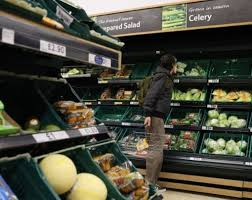
The United Nations Food and Agriculture Organization reported a 1.6 percent surge in global food commodity prices for April on May 8, 2026, marking the third straight monthly rise fueled by soaring energy costs and Middle East disruptions hammering grains and vegetable oils. Families stretching grocery budgets felt the pinch as staples edged higher, bread loaves firming under fluorescent aisles. We smell the faint yeast of rising loaves, hear market hagglers recalculating, and sense urgency for resilient supply chains. This uptick tests resilience but spotlights paths to steadier plates worldwide.
FAO Report Breakdown: Cereals and Oils Lead Uptick
The FAO Food Price Index hit 128.5 points, up from March’s 126.4. Cereals jumped 3.2 percent on wheat and maize tightness; vegetable oils rose 2.8 percent amid palm and soy squeezes. Meat dipped 0.5 percent, dairy held flat, sugar eased 1.1 percent.
FAO economist David Laborde unpacked drivers: “Energy ripples through farming and freight.” Middle East tensions snarled Black Sea routes, palm plantations faced El Niño droughts. Index tracks baskets from 73 countries, mirroring supermarket shelves.
Traders in Chicago pits buzzed, futures ticking up. Consumers noted: U.S. bread up 4 percent year-over-year, rice steady in Asia.
Energy Costs: Fueling the Food Inflation Fire
Fertilizer prices spiked 15 percent on natural gas hikes, corn planting costs swelling. Diesel for tractors and ships added layers, global freight rates climbing 10 percent. Russian gas curbs echoed, ammonia production strained.
We connect with farmers’ plights. An Iowa grower eyes input bills, fields golden yet margins thin. Egyptian importers ration wheat, Nile barges idle. Energy ties bind: biofuels divert corn, jet fuel bids against edible oils.
Mitigation stirs. Precision ag cuts fertilizer 20 percent via drones; solar pumps ease irrigation. Still, short-term pain persists.
Commodity Spotlights
- Wheat: +4.1%, Ukraine logistics woes.
- Maize: +2.9%, U.S. drought fears.
- Palm oil: +3.5%, Indonesian output lags.
These shifts cascade to pantries, per FAO trackers.
Middle East Disruptions: Geopolitical Grain Gambles
Tensions halted 5 million tons of grain shipments, Red Sea routes detouring. Houthi actions spiked insurance, vessels idling. Vegetable oils from Malaysia rerouted, delays compounding.
Human toll mounts. Lebanese markets ration sunflower oil, families subbing pricier alternatives. Yemeni ports clog, aid convoys delayed. Broader ripples hit Europe, bread subsidies straining budgets.
Diplomacy pushes. Black Sea deals renew, U.S. aid fills gaps. Diversification eyes Africa, Brazil ramping soy.
Consumer Impacts: Budgets Bend Worldwide
Low-income households absorb hardest. In Pakistan, rice hikes strain remittances; Nairobi moms skip proteins. U.S. urban poor tap food banks, shelves thinning.
Empathy drives stories. Karachi vendor Fatima portions smaller loaves, eyes weary. Brazilian single dad swaps beef for beans, kids’ questions tugging hearts. Wealthier shoppers pivot to deals, bulk buys.
Inflation moderates at 24 percent yearly index rise, but volatility erodes confidence. Central banks hike rates, growth slows.
Farmer and Producer Pressures
U.S. planters delay corn seeds amid costs; Argentine soy faces floods. Smallholders in Vietnam battle oil palm pests, yields down 10 percent.
Adaptations bloom. Climate-resilient wheat trials in India promise 15 percent boosts; vertical farms cut transport. Cooperatives pool buys, bargaining power rising.
Trade flows shift. China stocks grains, exports curb. Australia eyes U.S. markets.
Household Coping Tips
Shop seasonally, preserve surpluses. Community gardens yield fresh; apps track deals. Policy urges subsidies, school meals.
Forecasts and Silver Linings
FAO projects May easing if routes clear. Harvests loom: U.S. corn peaks July, wheat steady. Energy transitions, renewables trimming long-term fuels.
Tech aids: satellite crop watches predict yields; blockchain traces oils transparently. Global stocks buffer 18 percent consumption.
Risks linger: La Niña weather, trade spats. Optimism in pacts like Africa free trade boosting intra-continent flows.
Our Stance: Nourish Resilience Together
We stand with tables bearing heavier loads, aromas of stretched stews resilient. This 1.6 percent climb urges action over alarm.
Leaders, stabilize supplies; consumers, innovate meals. Shared plates await calmer harvests.