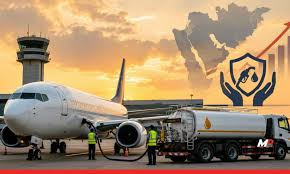
On June 8, 2026 multiple North American governments announced state backed liquidity programs aimed at stabilizing airlines as jet fuel prices surge, prompting international travel boards to welcome the move as essential to preserving peak summer flight schedules. The measures are designed to blunt operational shocks that can cascade into canceled routes, lost tourism revenue and stranded holidaymakers, while giving carriers breathing room to adjust hedging strategies and protect seasonal connectivity.
Why officials acted and what the support looks like
Airlines are facing an acute squeeze from rising jet fuel costs driven by tight refinery capacity and geopolitical supply disturbances. For carriers that operate on narrow margins, sudden fuel cost spikes quickly translate into cash flow shortfalls and the risk of abrupt cuts to routes and frequencies. The new liquidity facilities provide conditional loans to carriers that can demonstrate near term stress tied to fuel expenses and a credible plan to maintain essential services.
Terms announced by finance ministries include capped loan sizes calibrated to carrier scale, draw schedules tied to verified fuel cost pressures and reporting requirements that prioritize route retention to underserved communities. Governments emphasized that the support is temporary and aimed at stabilizing operations rather than altering long term market structure. Officials also noted restrictions on dividends and executive payouts while loans remain outstanding to protect public funds.
Immediate effects for travelers and tourism industries
Travel boards and tourism authorities reacted positively, describing the programs as pragmatic moves to reduce the risk of sudden summer schedule disruptions. For holiday travelers the most tangible impact is likely to be fewer last minute cancellations and more predictable seasonal capacity. Tour operators and hospitality businesses that depend on steady arrival volumes welcomed the signal that national aviation links will remain intact during peak demand.
Regional and remote communities often feel service cuts most severely, so the conditionality requiring carriers to demonstrate plans for route retention was singled out as an important feature. Local business owners and event organizers said that preserving flights helps maintain employment and supplies, and prevents the kind of logistical bottlenecks that cascade through local economies during busy travel seasons.
How the measures influence airline operations
Carriers receiving loans will likely use the funds to bridge cash flow gaps while implementing operational measures such as targeted fuel surcharges, restructured hedging, and selective capacity adjustments that preserve the most socially and economically important routes. Executives said the financing allows them to avoid knee jerk network cuts that would be difficult to rebuild later in the summer market.
Operationally carriers must present recovery plans that outline fuel procurement strategies, workforce retention measures and service continuity for critical links. Many airlines are accelerating negotiations with suppliers on longer term refinery commitments and exploring procurement diversification to reduce future exposure to single supply chains.
Industry and labor reactions
Airline executives broadly praised the limited and conditional support as a sensible stabilizer, while cautioning that loans are not a substitute for structural changes needed to improve industry resilience. Smaller regional carriers welcomed access to larger credit lines that could be decisive for maintaining thinly served routes.
Labor unions expressed guarded approval provided that worker protections accompany any aid. Unions pressed for binding commitments on rehiring and minimum staffing levels, arguing that taxpayer funded support should directly protect jobs. Negotiators sought transparent reporting on how funds are used so that labor outcomes can be independently assessed.
Fiscal trade offs and market implications
The facilities introduce contingent liabilities to national budgets but officials maintain the fiscal risk is manageable relative to the economic damage from a disrupted tourism season. Analysts will watch default risk for smaller carriers with concentrated route networks and limited revenue diversification, while credit markets may ease short term borrowing costs for the sector as government backing reduces perceived insolvency risk.
There is also a market signaling effect: timely government support can reassure investors and counterparties, preventing sharp pullbacks in working capital that amplify operational instability. Nevertheless, long term solvency questions remain for airlines that fail to adapt business models to sustained higher fuel prices.
Coordination with airports and tourism bodies
Governments plan to coordinate with airports, air navigation service providers and tourism boards to align priorities and ensure that loan conditionality supports the broader travel ecosystem. Airports are preparing contingency plans for increased passenger flows and are asking for predictable slot allocations from airlines whose networks could otherwise shift abruptly.
Tourism boards are working with carriers to maintain marketing schedules and package deals so travellers have confidence in summer itineraries. Destination marketing organizations emphasized the importance of clear communication to avoid confusion among visitors planning flights, accommodations and activities.
Regional equity and remote access concerns
Preserving service to smaller communities was a central theme in policy discussions. Many remote towns rely on air links for medical care freight and business travel. Officials said loan agreements would prioritize carriers that commit to maintaining minimum service levels on routes that lack alternative transport options. Community leaders welcomed the emphasis and urged fast decision making to avoid preemptive cancellations.
Some advocacy groups argued that support should be paired with policies to lower future fuel dependence such as incentives for fleet renewal toward more efficient aircraft and investment in sustainable aviation fuels. Those structural changes require longer term funding and coordination across industry stakeholders and government agencies.
Consumer advice and what travelers should do
Travelers should confirm reservations and monitor airline communications as carriers implement operational changes to adapt to fuel pressures. Booking flexible tickets and maintaining travel insurance remain prudent during volatile market conditions. For those with upcoming flights to remote destinations it is wise to keep contingency plans for accommodations and ground transport, and to enroll in airline notifications for real time updates on schedule changes.
Tour operators and travel agents should liaise with carriers for bulk seat guarantees and maintain transparent refund policies to preserve consumer confidence during peak season.
Longer term considerations for aviation resilience
The liquidity measures provide a near term bridge but leave longer term questions about how to make the aviation sector resilient to commodity price shocks. Policymakers face choices about promoting sustainable aviation fuels, incentivizing fleet modernization for fuel efficient aircraft, and supporting diversified supply chains for jet fuel. These solutions will demand sustained investment and industry cooperation beyond the emergency credit facilities.
Ultimately preserving reliable air service supports tourism, trade and social links that matter to communities large and small. If liquidity programs are paired with structural policies that reduce fuel exposure and encourage operational efficiency the sector can emerge with stronger capacity to withstand future shocks.
Where to follow developments
Transport ministries and civil aviation authorities will publish program details and application procedures on their official portals. Travelers and industry stakeholders can monitor announcements from national tourism boards and airport operators for updates on capacity and contingency plans as the summer season approaches.
International Air Transport Association and International Civil Aviation Organization