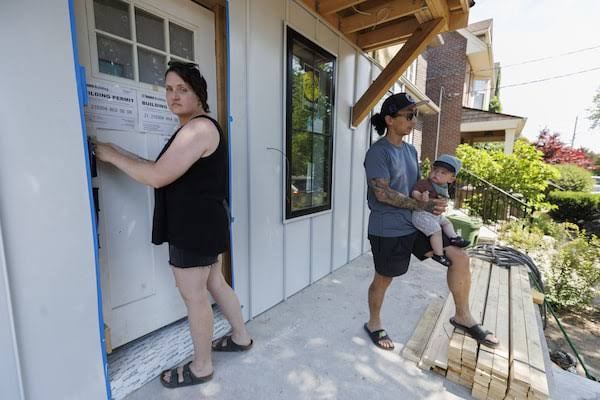
High mortgage rates are changing the way homeowners think about moving, refinancing and improving their properties. With refinance borrowing costs remaining elevated in late September 2026, many households are finding that staying in an existing home and improving it room by room can be more practical than taking on a new mortgage. The shift is creating new opportunities for contractors, remodelers and home improvement businesses while changing what homeowners choose to renovate.
The rate environment is particularly challenging for borrowers who locked in much lower mortgage rates in previous years. Refinancing into a substantially higher rate can increase monthly payments rather than reduce them. On September 29, Bankrate reported a national average 30 year fixed refinance rate of 7.24%, with an annual percentage rate of 7.32%. Freddie Mac’s weekly survey, which measures mortgage rates based on applications submitted to lenders, put the average 30 year fixed mortgage rate at 7.03% on September 24. :contentReference[oaicite:0]{index=0}
That difference in borrowing costs is influencing housing decisions. Rather than giving up an existing low rate to purchase or refinance another property, homeowners are increasingly looking at the home they already have and asking a different question: what can we improve without replacing the mortgage?
High Refinancing Costs Are Changing the Homeowner Decision
Mortgage rates do not affect every homeowner in the same way. A household with a mortgage locked in at a significantly lower rate has a strong financial reason to think carefully before refinancing. Replacing that loan with a new 30 year mortgage at a much higher rate can increase the cost of borrowing even when the homeowner has built substantial equity.
That calculation becomes especially relevant when the reason for refinancing is home improvement. A homeowner might once have considered a cash out refinance to fund a kitchen renovation, bathroom project or major addition. When refinancing rates are high, however, the additional interest expense can make that strategy less attractive.
Freddie Mac’s mortgage data shows how rates have moved during September. The average 30 year fixed mortgage rate increased from 6.76% on September 10 to 6.95% on September 17 and 7.03% on September 24. :contentReference[oaicite:1]{index=1}
For homeowners already carrying older loans at lower rates, the practical response can be to preserve that financing and fund improvements through other means when financially appropriate.
Renovation Is Becoming an Alternative to Moving
The idea behind the renovation trend is simple. When buying another home becomes more expensive, the existing property can become more valuable as a place to invest.
A family that needs another bedroom may consider converting an existing space instead of purchasing a larger house. Someone working from home may remodel a spare room into an office. A homeowner whose kitchen feels cramped may replace cabinets, improve storage and change the layout rather than move to another property.
These projects do not eliminate costs, but they can allow homeowners to address specific problems without replacing an entire housing arrangement. The emotional side matters as well. Moving involves selling, buying, packing, relocating children, changing routines and leaving familiar neighborhoods. Renovating can sometimes solve the underlying problem while allowing a family to remain where it already feels settled.
Small projects can become more attractive
High borrowing costs can also change the size of renovation projects. Instead of financing a major whole house remodel, homeowners may divide improvements into smaller stages.
A bathroom might be updated this year, followed by flooring next year and landscaping later. This approach allows households to match spending with available cash flow rather than taking on a large new mortgage balance.
For renovation companies, that can mean a stronger pipeline of smaller projects instead of fewer large construction contracts. Contractors may increasingly encounter customers who want targeted improvements that solve specific problems without substantially changing the structure of the home.
The Kitchen and Bathroom Remain Key Renovation Targets
Kitchens and bathrooms are often among the most visible areas of a home, making them natural candidates for improvement when homeowners decide to stay put.
A kitchen renovation does not necessarily require moving walls or replacing every appliance. Better storage, new cabinet fronts, updated lighting, durable countertops and improved layouts can change how a household uses the space.
Bathrooms offer similar opportunities. Replacing outdated fixtures, improving ventilation, adding storage or updating lighting can make an older room feel substantially different without requiring a complete structural reconstruction.
The attraction of these projects becomes stronger when homeowners are comparing the cost of targeted improvements with the financial and logistical demands of purchasing another property.
Home Offices and Flexible Spaces Are Also Driving Renovation Demand
Housing needs can change even when the household does not move. Families grow, children leave home, remote work arrangements change and older relatives may move in. These shifts can make existing floor plans feel unsuitable.
That is encouraging demand for flexible renovations. A spare bedroom can become a home office. An underused dining room can become a study area. A basement can be redesigned as a family room or guest space where local building regulations permit it.
The emphasis is increasingly on making existing square footage work harder. Rather than adding expensive new space in every case, homeowners can examine whether poorly used areas can be redesigned around their current needs.
Home Improvement Businesses Face a Different Kind of Customer
The renovation sector also has to adapt to homeowners who are more cautious about spending. A customer may still want a project completed but may be more interested in transparent pricing, phased construction and clearly defined priorities.
Contractors who understand this environment can help customers separate urgent repairs from cosmetic improvements and long term projects. A leaking roof, unsafe electrical system or failing plumbing system has a different financial priority from replacing decorative finishes.
Clear estimates are particularly valuable when households are trying to manage renovation expenses alongside existing mortgage payments, insurance costs, property taxes and everyday living expenses.
Phased remodeling can reduce financial pressure
One practical strategy is to divide a renovation into stages. A homeowner might first address structural or safety concerns, then move to energy efficiency and finally complete cosmetic upgrades.
This approach does not make a project inexpensive, but it can prevent homeowners from committing to a large renovation before they know how the first stage affects their budget.
Energy Efficiency Is Becoming Part of the Renovation Conversation
Home improvement decisions are also being shaped by household operating costs. Insulation, efficient windows, improved heating and cooling systems, smart controls and other efficiency measures can affect monthly utility expenses.
These projects require careful evaluation because the financial return varies according to the home, climate, existing equipment, energy prices and installation cost. Homeowners should compare expected savings with the full project price rather than assuming every efficiency upgrade will pay for itself quickly.
The US Department of Energy provides homeowner guidance through its Energy Saver resources, including information on insulation, heating and cooling, windows and other energy efficiency measures.
High Rates Do Not Make Every Renovation Financially Wise
The renovation trend should not be interpreted as a reason for homeowners to spend more simply because moving is expensive. Renovation decisions still require careful financial planning.
A homeowner should consider the total project cost, available cash, financing terms, expected maintenance expenses and the length of time they expect to remain in the property. A renovation that makes sense for someone planning to stay for another decade may not make sense for someone expecting to sell within two years.
Homeowners should also distinguish between a project’s personal value and its resale value. A customized renovation can make a home more enjoyable while producing a different financial return when the property is eventually sold.
Borrowers considering financing options should compare interest rates, fees, repayment periods and total borrowing costs rather than focusing only on the monthly payment. Freddie Mac’s homeowner resources provide information on refinancing and other stages of the homeownership process. :contentReference[oaicite:2]{index=2}
What the Housing Market Could Look Like if Homeowners Keep Renovating
If elevated mortgage rates persist, renovation could remain an important part of the broader housing market. Fewer homeowners may feel comfortable replacing an existing mortgage with a new one at a higher rate, while demand for better living spaces continues.
That could support businesses ranging from general contractors and electricians to plumbers, flooring companies, kitchen specialists, landscapers and building material suppliers.
It could also influence housing inventory. Homeowners who would otherwise sell because their current property no longer meets their needs may decide to stay and remodel instead. When more households remain in place, fewer properties become available for prospective buyers.
The result can be a feedback loop. High financing costs discourage some homeowners from moving, staying encourages renovation, and renovation makes an existing property more suitable for longer term occupancy.
Mortgage Rates Will Continue to Shape Renovation Decisions
The renovation sector is not operating separately from the mortgage market. Borrowing costs influence whether homeowners move, refinance, borrow against equity or simply pay for improvements from savings.
As of September 29, national mortgage data shows that the financing environment remains significantly more expensive than the exceptionally low rate period many homeowners experienced earlier in the decade. Bankrate’s national average for a 30 year fixed refinance rate was 7.24% on September 29, while its reported 30 year fixed purchase rate was also 7.24%. :contentReference[oaicite:3]{index=3}
Those averages do not represent an offer available to every borrower. Actual rates can vary according to credit history, loan size, property type, lender, points and other factors. Homeowners considering refinancing or renovation financing therefore need to examine their own numbers rather than relying solely on national averages.
Why the Renovation Shift Matters
The current housing environment is changing more than mortgage calculations. It is changing how people think about the meaning of home.
When moving becomes financially difficult, homeowners may stop viewing their property as something they eventually need to replace and start treating it as something they can gradually adapt. A fresh coat of paint, a remodeled kitchen, a quieter home office or a more efficient heating system can address problems that once seemed to require a move.
For the renovation industry, that creates a substantial opportunity, but it also raises expectations. Homeowners facing expensive borrowing costs are likely to scrutinize projects more carefully, compare contractors more thoroughly and prioritize improvements that offer clear practical value.
The central story of the September 2026 housing market is therefore not simply that mortgage rates are high. It is that expensive financing is changing homeowner behavior. Instead of automatically reaching for a new property or refinancing an existing loan, more households are looking inward, assessing the space they already own and deciding how to make it work better.
That shift could keep renovation activity important even while higher mortgage rates continue to place pressure on the broader housing market. For homeowners, the calculation remains deeply personal and financial: stay, improve, finance carefully and make the existing home fit the life they actually live.