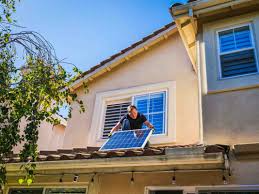
New multi nation consumer data released on May 24 2026 shows a sharp rise in homeowners retrofitting existing homes with modular insulation and localized solar capture to ease pressure on strained urban energy grids. The trend is spreading from dense European cities to suburban neighborhoods in North America and parts of Asia where rising electricity costs and frequent grid stress have made incremental home upgrades a practical response with visible savings and a stronger sense of control.
What the numbers reveal
Survey and market shipment data point to double digit year on year growth in modular insulation systems and rooftop mounted microinverters for residential solar through the first quarter of 2026. Adoption is highest where utility price signals reward behind the meter generation and where incentives or simple permitting reduce upfront friction. Homeowners report tangible reductions in heating and cooling bills within months after retrofit and a measurable decline in peak period consumption that helps utilities manage load without expensive grid upgrades.
Why modular solutions are gaining ground
Modular insulation panels and prefabricated cladding allow homeowners to improve thermal performance with shorter installation windows and lower labour disruption than traditional retrofits. These systems often integrate with existing facades and windows and include standardized attachment systems that reduce the need for custom carpentry. For solar the rise of plug and play microinverter kits and community financing models has lowered barriers for households that lack roof access or face complex ownership hurdles.
Human stories show practical benefits
In a narrow terraced street in Lisbon I visited an apartment where the owner had added modular internal insulation during a long weekend project. The apartment felt quieter and the stove kept warmth circulating in a way that made evening light and colours feel softer. A retired schoolteacher from suburban Toronto described his rooftop solar array with a portable battery as an emotional relief after repeated summer alerts asking residents to conserve electricity. He spoke about checking his system app each morning with the same small pleasure people report when they watch a garden grow.
Equity and access concerns
Despite clear benefits uptake is uneven. Lower income households and renters face greater barriers because the upfront capital and split incentives between landlords and tenants complicate decisions. Cities with targeted rebate programs and low interest green loans are seeing faster adoption in disadvantaged neighborhoods. Community solar schemes and on bill financing models have proved effective where direct rooftop installation is not feasible because they allow renters and apartment dwellers to buy into local generation without owning property.
Technical considerations and best practices
Effective retrofits require attention to airtightness thermal bridging and moisture management as much as to nominal R values of insulation panels. Poorly executed insulation can trap moisture and lead to mold so installers increasingly pair modular systems with diagnostic blower door tests and infrared imaging to ensure proper sealing. For solar projects homeowners should size systems to match realistic consumption and consider battery storage to shift self consumption into peak price windows.
Checklist for homeowners
- Conduct an energy audit to identify priority areas such as attic floors walls and windows
- Choose modular products with clear performance data third party certification and warranty terms
- Verify installer credentials and request blower door testing or thermal imaging where applicable
- Assess local incentives and financing options including municipal rebates and green loans
- Consider community solar or shared ownership if rooftop access is limited
Market shifts and supply chain effects
Manufacturers report that demand for prefabricated insulation panels and integrated solar kits is reshaping production lines toward lean batch manufacturing that can serve regional installers more quickly. Supply chains are adapting with local warehousing and modular assembly hubs that cut delivery times and lower carbon emissions from freight. The trend also stimulates new service businesses such as retrofit coordination platforms that bundle audits permitting financing and installation under a single contract to reduce buyer friction.
Skilled labour and training
Local workforce development is critical because scaling quality retrofits requires trained installers who understand building physics and electrical integration. Apprenticeship programs and short modular training courses have expanded in markets with high retrofit demand and are often supported by trade associations and workforce development grants. Upskilling existing trades people can accelerate rollout while maintaining quality and safety standards.
Role of policy and financing
Municipalities that pair incentives with simplified permitting see faster uptake. Time consuming local approvals can add weeks to retrofit projects and deter homeowners who prioritize convenience. Effective policies include point of sale disclosures about home energy performance mandated retrofit targets for large multifamily portfolios and targeted subsidies that prioritize low income households. On the financing side green mortgages and on bill repayment schemes link investments to long term asset value and utility billing cycles which makes projects more affordable.
For broader policy context and comparative program examples readers can review resources from the International Energy Agency and national energy agencies which publish practical guides on residential retrofits and financing instruments.
Environmental and grid impacts
Widespread residential retrofitting yields benefits beyond individual bill savings. Collective reductions in peak load ease stress on transmission infrastructure and lower the need for fossil fuel peaker plants. Localized solar coupled with storage increases neighborhood resilience during outages and reduces distribution losses that occur when power travels long distances. Over time these demand side changes can defer costly grid upgrades and contribute to cleaner urban energy mixes.
Measured outcomes from pilot programs
Pilot programs in several European and North American cities show fall in household energy use by 20 to 40 percent after combined insulation and solar retrofits. These programs also report fewer emergency heating failures during winter and improved occupant health outcomes attributed to more stable indoor temperatures and reduced dampness. Municipalities cite these results when arguing for scaled incentive schemes and integrated building retrofit policies.
The next phase: integration and scale
As homeowner interest matures the next phase will focus on integration. Smart energy management systems that coordinate thermostats solar generation and battery dispatch will become more common and unlock additional value by aggregating distributed resources for grid services. Neighborhood level microgrids and peer to peer energy trading pilot projects are already underway in a handful of cities and could expand as policy frameworks evolve.
What began as individual efforts to reduce bills is becoming a collective practice that reshapes how cities meet energy needs. Homeowners who once saw insulation and solar as separate decisions now view them as parts of a cohesive strategy to improve comfort cut costs and increase resilience. The sensory evidence is simple to describe: quieter homes warmer winters cooler summers and the small visible pride of an array quietly producing power on a morning roof.
For homeowners seeking detailed technical guidance and funding options the US Department of Energy and the European Commission maintain practical toolkits and case studies that outline retrofit pathways and financing models.