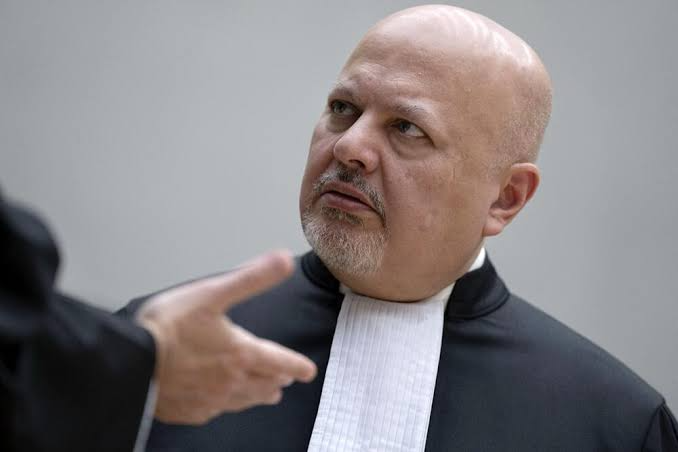
On July 24, 2026 the Assembly of States Parties to the Rome Statute delivered a decisive rebuke of the International Criminal Court prosecutor Karim Khan by voting 82 to 13 in a special session to remove him from office after an independent inquiry found serious misconduct. The decision marks an extraordinary moment for the world court and raises urgent questions about accountability procedures within institutions charged with pursuing justice for mass atrocity crimes.
How the vote unfolded and what it legally means
The Assembly convened a special session at the United Nations to consider the findings of an independent disciplinary inquiry that concluded there was sufficient evidence of misconduct to warrant removal. The vote followed procedures set out in the Rome Statute and supplementary rules that govern the Assembly of States Parties. With 82 states in favor, 13 opposed and a small number abstaining or absent the majority exceeded the threshold required to remove a sitting prosecutor.
Legally the removal takes effect immediately subject to any administrative appeal rights that may exist under ICC staff regulations and international administrative law. Practically the prosecutor’s office must now transition to interim leadership while the Assembly sets in motion a search or appointment process for a permanent successor. The vacancy triggers questions about continuity of major ongoing investigations and prosecutions led by the Office of the Prosecutor.
What the inquiry found and the prosecutor’s response
The independent inquiry identified specific instances of misconduct that the Assembly judged incompatible with the integrity and impartiality expected of the prosecutor’s office. Public summaries of the inquiry cited breaches related to internal management, improper conduct in official duties and violations of procedural norms. Karim Khan, who had previously emphasized outreach, witness protection and high profile investigations, denied wrongdoing in public remarks and signaled intent to contest aspects of the process while respecting the Assembly’s decision.
Reactions from capitals civil society and victims
Government reactions split along familiar lines of support for court independence and concerns about oversight. Many signatory states hailed the vote as a demonstration that no officeholder is above scrutiny and that the Rome Statute community can hold its leaders to account. Other delegations warned that politicization of the removal process could damage the court’s perceived neutrality and embolden states that oppose ICC jurisdiction.
Victims groups expressed mixed emotions. For some the decision represented institutional accountability and hope that leadership failures will be addressed. For others the abrupt change deepened anxiety about stalled or disrupted investigations into atrocities in places such as Ukraine Sudan and other situations of active interest to the ICC. Human rights organizations called for clear safeguards to ensure investigations continue without undue delay and for transparent criteria in appointing the next prosecutor.
Voices of former staff and legal analysts
Former ICC staff and international criminal law scholars offered measured assessments. Some praised the Assembly for enforcing ethical standards and for taking decisive action when internal mechanisms signaled serious problems. Others cautioned the removal could erode institutional memory and momentum in complex, multi year prosecutions that depend on sustained leadership and relationships with national authorities and victims.
Immediate operational consequences for the Court
Practical consequences will be felt in several areas. The Office of the Prosecutor manages parallel investigations geographic teams and witness protection programs that require consistent oversight. An interim chief will need to stabilize internal morale reassure staff and maintain liaison with national prosecutors and international partners. Case timetables may be adjusted and resource allocations reviewed to prevent loss of evidence or witness attrition.
The court’s registry and the presidency of the ICC will play crucial roles in ensuring administrative continuity and in coordinating with the Assembly to accelerate a transparent selection process for a new prosecutor. Observers expect the Assembly to prioritize candidates with strong management experience prosecutorial expertise and a track record of respecting human rights and due process norms.
Wider implications for international justice and geopolitics
The removal reverberates beyond the courtroom. The ICC operates in a contested geopolitical environment where some powerful states are not parties to the Rome Statute and where cooperation from affected states is uneven. Critics argue that internal accountability strengthens the court’s legitimacy and shields it from claims of impunity or bias. Skeptics fear the episode could be weaponized by opponents to justify noncooperation or reduce funding.
There is also a reputational dimension. The ICC’s moral authority depends on high standards of conduct for its senior officials. Demonstrating willingness to address misconduct can bolster long term credibility. At the same time the court must avoid processes that appear opaque or politically driven because such perceptions risk undermining support among member states civil society and victims.
Comparisons and precedents
Removals of senior international prosecutors are rare. Comparable episodes in other international tribunals underline how damaging leadership disputes can be for institutional stability. The Assembly’s decisive vote sets a precedent for robust oversight while underscoring the need for clear safeguards to prevent politicization. Legal scholars will closely study the inquiry report the vote and any subsequent appeals for lessons that can refine governance rules across multilateral justice bodies.
What comes next
The Assembly of States Parties must now balance speed with rigor. Steps likely to follow include designation of an interim prosecutor confirmation of the interim leader’s authority and initiation of a transparent selection process for a permanent replacement. The Assembly may also propose reforms to internal oversight mechanisms to improve complaint handling investigatory independence and whistleblower protections.
For victims and affected communities the central demand remains continuity of justice. States parties civil society and the court itself will need to coordinate closely to ensure that ongoing investigations prosecutions and protection programs continue uninterrupted. The international legal community will watch whether this episode results in stronger institutional safeguards and a renewed commitment to impartial accountability.
Further reading and primary sources
For the text of the Rome Statute and procedural rules that governed the Assembly’s action consult the official Rome Statute materials hosted by the International Criminal Court and by the United Nations treaty collection. For analysis of the Assembly of States Parties procedures and the governance implications read commentary by leading international law institutes and policy teams at established human rights organizations.
Official documents and statements released by the Assembly of States Parties and by the ICC are available on the ICC website and the United Nations documentation portal which provide the formal records and legal references behind the decision.
Would you like a focused explainer that summarizes the inquiry findings timelines for affected cases and a step by step guide for how the Assembly will choose a new prosecutor?