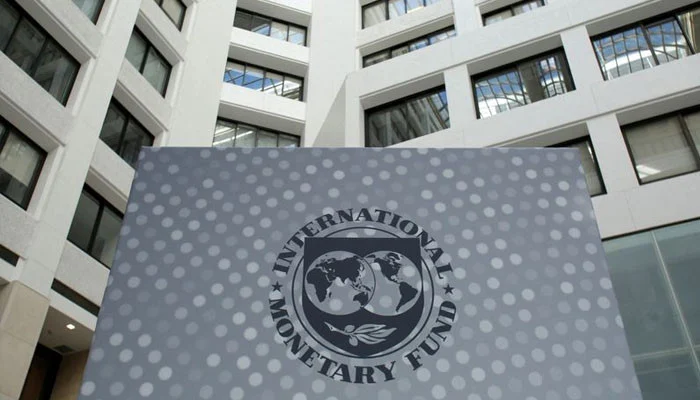
April 19, 2026 brings a moment of cautious optimism for Pakistan as the International Monetary Fund moves closer to approving a $1.2 billion disbursement. We see this development as more than a financial transaction. It represents a critical signal to global markets that Pakistan remains within the orbit of international support at a time when liquidity pressures have strained both public finances and investor confidence.
A Lifeline in a Time of Strain
Pakistan’s economic landscape has been shaped by persistent challenges including rising inflation, currency volatility, and dwindling foreign exchange reserves. For many households, these macroeconomic pressures translate into rising food prices, higher utility bills, and shrinking purchasing power. Against this backdrop, the proposed IMF inflow offers a measure of relief that extends beyond government balance sheets.
We understand that such disbursements often come with strict conditions, yet they also serve as anchors for financial stability. The IMF Executive Board’s consideration follows a staff level agreement, a step that signals Pakistan has met key benchmarks required to unlock further funding. These benchmarks typically include fiscal discipline, structural reforms, and measures aimed at improving revenue collection.
What the $1.2 Billion Means for Pakistan
The immediate impact of this funding will likely be felt in Pakistan’s foreign exchange reserves, which have faced significant depletion in recent years. A stronger reserve position can help stabilize the Pakistani rupee, reduce the risk of external default, and reassure international creditors.
Beyond currency stabilization, the inflow is expected to:
- Support essential imports such as fuel and food commodities
- Ease pressure on the current account deficit
- Encourage bilateral and multilateral lenders to extend additional support
These effects, while technical in nature, ripple through everyday life. A more stable currency can slow inflation, making basic goods more affordable for millions of citizens.
Regional Implications for South Asia
Pakistan’s economic health carries implications that extend across South Asia. As one of the region’s largest economies, its financial stability influences trade flows, investor sentiment, and regional cooperation. The IMF’s potential approval of this disbursement sends a reassuring message to markets that systemic risks are being managed.
We observe that neighboring economies often watch such developments closely. A stable Pakistan contributes to broader regional confidence, particularly in sectors like energy trade and cross border commerce. In an interconnected financial system, the ripple effects of stability can be just as powerful as those of instability.
The IMF’s Role and Conditions
The International Monetary Fund plays a complex role in global finance. Its programs are designed not only to provide immediate financial assistance but also to encourage long term economic reforms. Pakistan’s engagement with the IMF has historically involved difficult policy decisions, including subsidy reductions and tax reforms.
For readers seeking deeper insight into how IMF programs operate, the official IMF lending framework offers a detailed overview of the mechanisms and conditions involved.
While these conditions can be politically sensitive, they are often aimed at addressing structural weaknesses that contribute to recurring economic crises. The challenge lies in balancing reform with social protection, ensuring that vulnerable populations are not disproportionately affected.
Voices from the Ground
In conversations across urban centers and rural communities, we hear a mix of hope and skepticism. Small business owners express cautious optimism that currency stability could reduce the cost of imported goods. At the same time, wage earners worry about the potential for further austerity measures.
A shopkeeper in Karachi describes the situation with quiet pragmatism, noting that any measure that stabilizes prices is welcome, yet the fear of rising taxes remains ever present. This duality captures the lived experience of economic policy, where abstract decisions translate into tangible daily realities.
Investor Confidence and Market Reactions
Financial markets often react swiftly to signals from institutions like the IMF. The anticipation of a $1.2 billion inflow has already influenced investor sentiment, with expectations of improved liquidity conditions and reduced default risk.
International investors typically view IMF backing as a form of assurance, indicating that a country is committed to reform and has access to emergency funding. This perception can lead to increased capital inflows, lower borrowing costs, and a more favorable investment climate.
For those tracking global economic trends, platforms like the World Bank’s Pakistan overview provide valuable context on the country’s economic trajectory and development indicators.
Challenges That Remain
While the potential disbursement is a positive step, it does not resolve all of Pakistan’s economic challenges. Structural issues such as a narrow tax base, energy sector inefficiencies, and reliance on external financing continue to pose risks.
We recognize that sustainable growth requires more than periodic financial assistance. It demands consistent policy implementation, institutional strengthening, and investment in human capital. Education, healthcare, and infrastructure remain critical areas where long term progress can reshape economic outcomes.
A Delicate Balance Between Reform and Relief
The path forward involves navigating a delicate balance. Policymakers must implement reforms that satisfy international partners while addressing domestic concerns. This balancing act is particularly challenging in a socio economic environment where public tolerance for austerity is limited.
We see an opportunity for inclusive policy making that prioritizes transparency and public engagement. When citizens understand the rationale behind economic decisions, they are more likely to support necessary reforms, even when short term sacrifices are involved.
Looking Ahead
The IMF Executive Board’s decision will be closely watched in the coming days. Approval of the $1.2 billion disbursement would mark a significant milestone in Pakistan’s ongoing economic journey. It would signal not only financial support but also a renewed commitment to reform and stability.
As we reflect on this moment, it becomes clear that economic resilience is built through a combination of external support and internal determination. Pakistan’s story is one of complexity and resilience, shaped by challenges but also by the capacity to adapt and move forward.
The coming months will reveal how effectively this financial lifeline is utilized. For millions of Pakistanis, the stakes are deeply personal, tied to livelihoods, opportunities, and the hope for a more stable future.