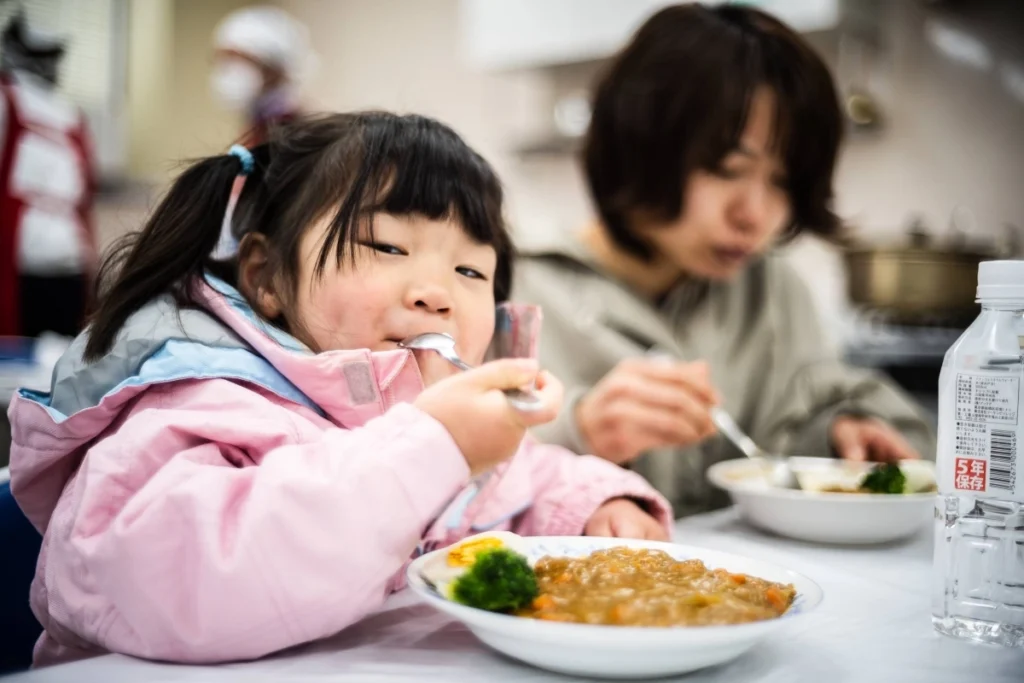
On April 21, 2026, major Japanese food developers announced a growing push into premium, easy to prepare children’s meals, reflecting a deeper shift in how working households are managing daily life. As labor demands remain high and family routines grow more compressed, companies are responding with ready made, nutritionally balanced meal solutions designed specifically for children, aiming to reduce the domestic burden placed on parents while maintaining food quality and nutrition standards.
A Market Response to Changing Family Realities
We are seeing a clear response from Japan’s food industry to structural changes in modern households. With dual income families becoming the norm and work schedules stretching into longer hours, daily meal preparation has become one of the most persistent stress points for parents.
Food manufacturers are now stepping into that gap with products that go beyond convenience. These are not simple frozen meals or instant snacks. Instead, they are carefully designed children’s meal solutions that prioritize nutrition, portion balance, and ease of preparation within minutes.
The latest initiatives reflect a broader national conversation about work life balance and declining birth rates, where household support systems are increasingly seen as essential to sustaining family wellbeing.
What Companies Are Actually Launching
Japanese food developers are introducing a range of products aimed at children aged roughly one to six years old. These include pre assembled meal kits, heat and serve dishes, and nutritionally optimized bento style meals that require minimal preparation time.
According to industry reporting, many of these products are designed to meet strict dietary guidelines, often developed in collaboration with nutritionists to ensure balanced protein, vegetable, and carbohydrate intake for growing children. ([turn0search0])
The focus is not only on convenience but also on trust. Parents are increasingly concerned about nutritional quality, ingredient transparency, and food safety, especially for younger children who require more carefully controlled diets.
Designed for Time Pressured Households
We can see a strong emphasis on usability. Many of these meal solutions are built around simple preparation steps such as heating, mixing, or assembling pre portioned ingredients. Some are designed to be ready in under ten minutes, reducing the need for daily cooking while still offering a home style meal experience.
This approach reflects a broader trend in Japan’s food sector, where convenience and nutrition are being merged rather than treated as opposing priorities.
The Social Pressure Behind the Trend
The rise of children’s ready meal solutions cannot be separated from broader demographic and labor trends in Japan. The country continues to face one of the world’s most rapidly aging populations, while younger households often struggle with long working hours and limited childcare support.
In many urban centers, parents commute long distances and return home late in the evening, leaving little time for meal preparation. This has created a growing reliance on prepared food solutions, not as luxury items but as practical necessities.
We also see cultural expectations shifting. While traditional Japanese home cooking remains deeply valued, there is increasing recognition that convenience based solutions can support family wellbeing without diminishing nutritional standards.
Food Innovation Meets Child Nutrition Science
A key feature of this new wave of products is the integration of nutritional science into food development. Companies are working with dietitians and food safety experts to design meals that meet specific developmental needs for children.
These meals often emphasize balanced macronutrients, reduced sodium levels, and carefully selected ingredients suitable for young digestive systems. In some cases, menus are tailored to different age brackets, reflecting changes in nutritional requirements as children grow.
This structured approach mirrors established practices in institutional food services, such as school meal programs that already prioritize dietary balance and food education. ([turn0search7])
From Home Kitchens to Professional Standards
What is notable is the transfer of professional food service standards into consumer households. Techniques used in school cafeterias, childcare centers, and institutional catering are now influencing packaged meal design for families.
This includes standardized portion control, allergen awareness, and menu rotation systems that prevent repetitive diets while maintaining nutritional consistency.
Reducing the Mental Load of Parenting
Beyond nutrition and convenience, there is a less visible but equally important factor driving demand: mental load reduction.
For many working parents, the daily cycle of planning, shopping, preparing, and cleaning meals creates constant cognitive pressure. Children’s meal solutions aim to simplify this process by removing decision fatigue and reducing preparation time.
This shift reflects a broader global trend in consumer food behavior, where convenience is increasingly defined not just by speed but by emotional relief and time recovery.
Industry Expansion and Competitive Growth
The children’s meal segment is becoming an important growth area within Japan’s food industry. Companies are investing in product development, packaging innovation, and distribution networks to capture this expanding market.
Meal kit and prepared food sectors globally have already shown strong growth, with companies expanding across home delivery and retail channels. Similar patterns are visible in Japan as domestic firms adapt global models to local dietary preferences. ([turn0search14])
Some firms are also exploring subscription based models, allowing families to receive weekly or monthly meal deliveries tailored to children’s nutritional needs and taste preferences.
Cultural Balance Between Tradition and Modern Life
Despite the rise of convenience focused products, food culture in Japan continues to emphasize quality, presentation, and care. Even ready made meals often reflect traditional flavors and balanced meal structures rooted in Japanese dietary culture.
There is also a strong cultural sensitivity toward how children experience food. Presentation, texture, and familiarity remain important, ensuring that convenience does not come at the expense of acceptance or enjoyment.
This balance between modern efficiency and cultural food values is shaping how companies design their products for families.
What This Means for Working Families
For households, the expansion of children’s meal solutions represents more than just a new product category. It signals a shift in how society is responding to the realities of modern parenting.
Working families now have access to structured meal support that reduces daily stress while maintaining nutritional standards. This can free up time for education, rest, and family interaction, areas often squeezed by demanding schedules.
At the same time, these developments highlight ongoing structural challenges, including long working hours and limited childcare flexibility, that continue to shape family life in Japan.
A Broader Reflection on Food and Social Change
We are observing a moment where food innovation intersects directly with social policy challenges. Children’s meals are no longer just a domestic responsibility but part of a larger ecosystem that includes industry, public health, and labor conditions.
As companies continue to expand their offerings, the success of these products will likely depend on how well they balance three core expectations: convenience for parents, nutrition for children, and cultural acceptance within Japanese households.
For further context on how food systems are evolving globally in response to family and labor pressures, research from organizations such as the Food and Agriculture Organization provides broader insight into nutrition and household food security trends.
What is unfolding in Japan is not simply a product trend. It is a reflection of how modern societies are rethinking the role of food in supporting family life under increasing time pressure and changing social structures.