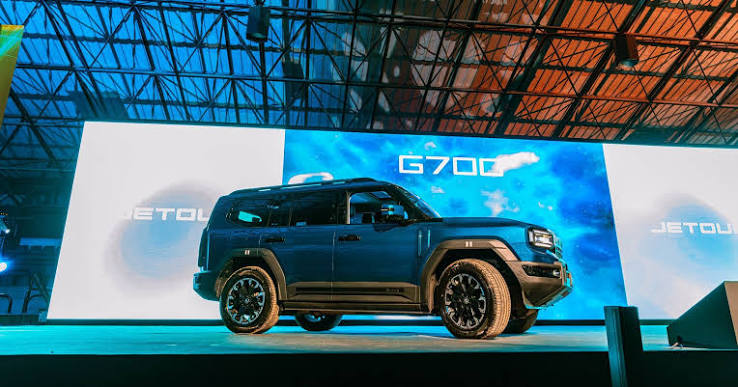
JETOUR Global Technology Experience Day, announced for October 12, 2026, places intelligent mobility and autonomous vehicle technology at the center of a wider conversation about the future of travel. The international technology exhibition is focused on next generation mobility solutions and the technologies that could influence how people move, explore new destinations, and experience everyday journeys. For drivers and passengers, the central question is not simply how advanced a vehicle can become, but how innovation can make travel safer, more convenient, and more responsive to human needs.
As automakers invest in intelligent driving systems, connected vehicle platforms, and new approaches to mobility, technology exhibitions provide an opportunity to examine the direction of the industry. JETOUR’s initiative signals an interest in presenting its technological ambitions to an international audience. However, detailed specifications, confirmed demonstrations, and independently verified performance figures have not been provided in the available event summary. The significance of the occasion therefore lies in its stated focus and the broader questions it raises about the next generation of automotive experiences.
JETOUR Places Intelligent Mobility at the Center of Its Technology Showcase
JETOUR has positioned its Global Technology Experience Day around intelligent mobility and autonomous vehicle solutions, two areas attracting sustained attention across the automotive industry. The concept of intelligent mobility extends beyond a vehicle’s engine, transmission, or exterior design. It encompasses the software, sensors, digital systems, and driver assistance technologies that help vehicles interpret their surroundings and respond to changing road conditions.
For consumers, these developments matter because driving is rarely a controlled laboratory experience. A daily commute may involve congested intersections, unpredictable pedestrians, changing weather, and limited visibility. A long distance journey can bring fatigue, unfamiliar roads, and unexpected traffic. Automotive technology has the potential to support drivers through these challenges, provided that systems are developed responsibly and perform reliably under real world conditions.
JETOUR’s international exhibition offers a platform for discussing how such capabilities could fit into future vehicles. It also creates an opportunity to connect technological progress with practical expectations. Buyers increasingly need clear explanations of what intelligent systems can do, when drivers must remain in control, and how much confidence they should place in automated features.
Autonomous Vehicle Solutions and the Road Ahead
Autonomous driving remains one of the most closely watched areas of automotive research. The technology aims to allow a vehicle to perform some or, in more advanced applications, many driving tasks through a combination of sensors, computing systems, software, and control mechanisms. Yet automation exists across several levels, and the distinctions are essential for anyone evaluating claims about self driving vehicles.
Many vehicles already offer driver assistance features such as adaptive cruise control, lane keeping assistance, automatic emergency braking, and parking support. These functions can help with particular tasks, but they do not automatically make a vehicle fully autonomous. Depending on the system, the driver may still need to supervise the road continuously and intervene immediately when conditions require it.
More advanced automated driving systems face a substantially greater challenge. They must interpret complex traffic environments, distinguish relevant objects, anticipate the behavior of other road users, and respond to unusual situations that may not have been encountered during development. Construction zones, poorly marked roads, heavy rain, unexpected obstacles, and inconsistent traffic behavior can all complicate automated decision making.
For JETOUR, a technology focused event can contribute to this discussion by giving audiences a clearer view of the company’s stated interest in intelligent driving. The available announcement, however, does not identify specific autonomous driving levels, production ready systems, or independently validated capabilities. Those details would be necessary to assess how its proposed solutions compare with established industry developments.
Why Safety Must Remain Central to Intelligent Driving
Technological progress in mobility must be measured against its ability to serve people safely. Drivers may welcome systems that reduce the burden of routine tasks, but confidence depends on understanding a feature’s limitations as much as its advantages. A warning system that alerts a driver to danger, for example, serves a different purpose from a system that assumes responsibility for controlling the vehicle.
Responsible development requires extensive testing, clear operating boundaries, reliable fallback procedures, and straightforward communication with vehicle owners. Manufacturers must also consider how software updates affect system performance and how drivers are informed when a feature becomes unavailable. These questions are especially important as vehicles incorporate more interconnected electronic systems.
Consumers can evaluate intelligent vehicle technology by asking practical questions. Which driving tasks does the system actually perform? Under what conditions does it operate? Does it require continuous driver supervision? What happens when sensors cannot interpret the environment accurately? Clear answers are more valuable than broad claims that a vehicle is intelligent or autonomous.
For wider information on vehicle safety and driver assistance, the National Highway Traffic Safety Administration’s vehicle safety resources provide useful background on modern automotive safety technologies and consumer considerations. Such information helps place announcements from technology exhibitions within the broader context of road safety and responsible vehicle use.
Connected Vehicles and a More Informed Travel Experience
Intelligent mobility also involves the growing relationship between vehicles, software, navigation services, and digital information. Connected vehicle technology can support functions such as traffic updates, route planning, vehicle diagnostics, and selected remote services. When implemented effectively, these features can help drivers make better informed decisions before and during a journey.
Consider a family preparing for a long drive. Real time traffic information may help identify congestion before departure, while navigation tools can suggest alternative routes when conditions change. Vehicle monitoring systems may also help drivers identify maintenance concerns before they become more serious problems. These capabilities do not remove every uncertainty from travel, but they can make the experience more predictable and convenient.
At the same time, greater connectivity introduces questions about cybersecurity, personal information, software reliability, and long term support. Vehicles may generate information about routes, driving behavior, system usage, and maintenance needs. Manufacturers must handle such information responsibly and provide appropriate safeguards against unauthorized access.
For an international technology showcase, connected mobility offers a broader perspective than automated driving alone. It highlights how software and digital services can influence the entire ownership experience, from choosing a route to maintaining a vehicle. Whether JETOUR’s exhibition will include particular connected services or live demonstrations remains unconfirmed in the available announcement.
What Intelligent Mobility Could Mean for Everyday Drivers
The value of automotive innovation ultimately becomes clear when it addresses ordinary travel needs. Drivers are unlikely to judge a technology solely by the sophistication of its engineering. They will also consider whether it is easy to use, dependable in familiar conditions, affordable to maintain, and compatible with the realities of their local roads.
For commuters, useful technology may mean receiving timely warnings or experiencing less stress in heavy traffic. For families, it may mean access to practical safety assistance and navigation tools that support longer journeys. For people traveling through unfamiliar regions, connected services could make route planning more convenient and help them respond to changing conditions.
However, these benefits depend on implementation. A feature that performs well on clearly marked highways may have different limitations on narrow urban streets or poorly maintained rural roads. Drivers also need training and clear instructions, particularly when a vehicle combines conventional controls with advanced assistance features.
Affordability is another important consideration. If intelligent systems remain available only in expensive vehicles or require costly subscriptions, their benefits may reach a limited group of motorists. Wider adoption will depend partly on manufacturers’ ability to balance advanced capabilities with reasonable ownership costs, reliable servicing, and accessible technical support.
International Technology Exhibitions and Automotive Competition
Global automotive exhibitions serve an important purpose in an industry shaped by rapid technical development and changing consumer expectations. They allow manufacturers to communicate their priorities, present engineering concepts, and engage with audiences who may include prospective customers, industry professionals, technology observers, and business partners.
JETOUR’s decision to frame its event around global technology experience reflects the international dimension of the mobility conversation. Vehicle manufacturers operate across markets with different infrastructure, regulatory requirements, road conditions, and customer preferences. A technology that performs effectively in one market may require additional testing, adaptation, or regulatory approval before it can be introduced elsewhere.
International reach therefore involves more than displaying advanced hardware. It requires manufacturers to demonstrate that their products can meet local safety expectations, deliver consistent performance, and receive appropriate support after purchase. Clear information about availability, specifications, maintenance requirements, and regional compatibility helps consumers distinguish a concept from a commercially available product.
The wider industry also benefits when manufacturers communicate their technical progress in measurable terms. Demonstrations can be informative, but meaningful comparisons require transparent performance data, clear explanations of operating conditions, and independent evaluation where appropriate. These standards help turn public interest in automotive innovation into a more informed understanding of what the technology can genuinely deliver.
Responsible Innovation, Sustainability, and Future Travel
The future of mobility will also be shaped by questions that extend beyond automation. Energy efficiency, emissions, battery development, vehicle durability, and the environmental cost of manufacturing are increasingly relevant to decisions about transportation. Intelligent software may help optimize certain driving tasks, but the overall environmental impact of a vehicle depends on a much wider set of factors.
Consumers evaluating the next generation of vehicles should consider the complete ownership picture, including energy consumption, maintenance, expected service life, and the availability of replacement parts. Where electrified options are offered, charging access and local electricity conditions may also affect their practical suitability. Technology claims are most useful when supported by transparent information that allows buyers to compare real operating costs and environmental performance.
JETOUR’s stated focus on next generation mobility provides a relevant setting for these discussions, although the available event summary does not confirm specific sustainability announcements or new powertrain technologies. Distinguishing confirmed developments from broader industry possibilities is essential to maintaining an accurate picture of the event.
For readers interested in the technical and regulatory context of automated mobility, the SAE International standard on driving automation levels offers a recognized framework for distinguishing different levels of driving automation. This distinction helps explain why individual assistance features should not be confused with systems capable of operating a vehicle without human supervision.
What to Watch for Following JETOUR Global Technology Experience Day
The long term significance of the exhibition will depend on the details JETOUR makes available about its technology, its development priorities, and its plans for introducing relevant solutions to customers. The announcement establishes a focus on intelligent mobility and autonomous vehicle technology, but further information is needed to determine which systems are ready for practical use and which remain under development.
Several developments would provide a clearer picture of the company’s direction. These include technical specifications for any demonstrated systems, evidence of safety testing, explanations of how driver assistance features operate, and details about the markets in which new technologies may become available. Information about software support, cybersecurity protections, and maintenance arrangements would also help consumers assess the long term value of connected vehicles.
Independent assessments and real world testing will be particularly useful when evaluating any future autonomous driving claims. A compelling demonstration can introduce an idea, but consistent performance across varied conditions is what establishes whether a system can be trusted in everyday transportation.
A Technology Showcase With Practical Questions at Its Core
JETOUR Global Technology Experience Day brings attention to a subject that reaches far beyond the automotive showroom. Intelligent mobility and autonomous vehicle solutions have the potential to change how people plan journeys, interact with their vehicles, and think about road safety. Their success, however, will depend on more than technical ambition. Reliability, affordability, transparent communication, and respect for drivers’ needs will remain essential.
For consumers, the most useful response to automotive innovation is informed curiosity. New technologies deserve attention, but their capabilities should be assessed through clear evidence rather than expectations alone. By examining what systems can do, where they can operate, and how they protect the people using them, buyers can make decisions that suit their individual needs.
As more details emerge about JETOUR’s international technology initiative, the key measure of progress will be the connection between engineering and everyday experience. The future of travel will not be defined simply by vehicles that contain more software or perform more tasks automatically. It will be shaped by technologies that help people reach their destinations with greater confidence, practical convenience, and a clear understanding of the systems supporting their journey.