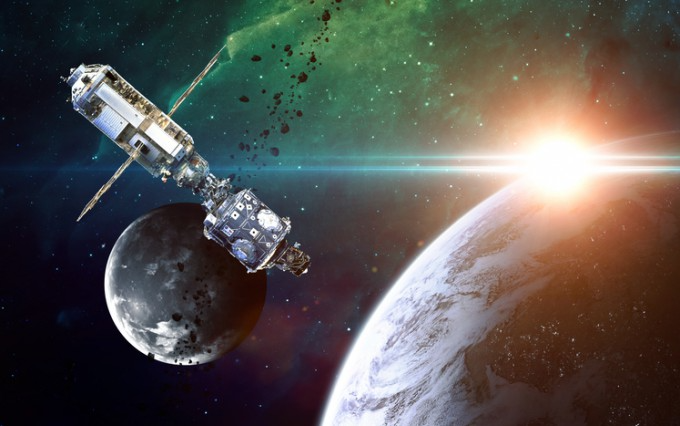
Under the vast Seoul skyline, where neon pulses against starry nights, South Korea’s freshly minted Korea AeroSpace Administration (KASA) kicked off a worldwide talent hunt on April 23, 2026, seeking experts to power its inaugural space missions. This massive recruitment drive, targeting engineers, scientists, and mission specialists from every corner of the globe, signals Seoul’s leap into the stars. We feel the electric thrill in the air, a nation’s dream materializing through human ambition.
KASA Emerges as South Korea’s Space Command Center
Born from the 2025 Space Promotion Act, KASA consolidates Korea Aerospace Industries’ efforts with government backing, mirroring NASA or ESA. Headquartered in Sacheon, it oversees satellite launches, lunar probes, and crewed ambitions by 2032. The drive aims to fill 500 roles initially, expanding to 2,000 by decade’s end, with budgets swelling to 5 trillion won annually.
Engineers picture the hum of clean rooms, the sharp tang of rocket fuel simulations, the glow of mission control screens. KASA invites applicants via its portal, open through June, promising competitive salaries starting at 80 million won for mid-level posts, plus relocation aid and family support.
Roles That Shape the Future
Positions span propulsion designers, orbital mechanics analysts, astrobiologists, and software architects for autonomous rovers. Diversity drives the call: women in STEM, underrepresented nations, fresh PhDs all welcome. Qualifications emphasize hands-on experience over pedigrees, with virtual assessments gauging problem-solving under pressure.
Global Reach, Local Roots
KASA casts a wide net, advertising in 15 languages across platforms like LinkedIn and academic journals. Targets include US rocket veterans, Indian satellite whizzes, European payload experts. One Indian applicant, Priya Patel, shared her pulse-racing excitement: “From ISRO labs to Korean orbiters, this feels like destiny.” Her story captures the pull, blending cultures in pursuit of cosmic goals.
Seoul’s tech ecosystem beckons. Proximity to Samsung and LG fuels synergies, while English fluency policies ease transitions. We hear the empathy in recruiters’ voices, offering cultural orientation and hanok stays to combat homesickness amid kimchi scents and K-pop beats.
Ambitious Missions Demand Top Talent
KASA’s roadmap dazzles. Nuri rocket iterations aim for 2027 Mars flybys; lunar landers follow in 2029. Crewed flights target the International Space Station by 2031, partnering with SpaceX for rideshares. Recruitment aligns with these, prioritizing reusability tech and radiation shielding innovators.
Success stories inspire. Early hires from 2025 pilots launched Korea’s Pathfinder satellite, beaming back climate data. Now, global recruits will orchestrate deep space ops, their code steering probes through asteroid fields.
Competitive Perks Seal the Deal
Beyond pay, KASA offers equity in spin-offs, unlimited research grants, and moon-viewing observatories for downtime. Family visas streamline moves; childcare subsidies nod to work-life balance. Compared to SpaceX’s grind or ESA’s bureaucracy, KASA pitches collaborative vibes, with team-building hikes in Jeju’s volcanic trails.
Stories of Aspiring Astronauts and Engineers
Meet Javier from Mexico, a propulsion PhD eyeing KASA’s ion thruster team. “Back home, funding dried up. Here, I smell opportunity, like fresh propellant igniting.” His virtual interview demoed a fuel efficiency sim, earning nods from evaluators. Javier embodies the human spark KASA seeks.
Women lead breakthroughs too. Nigerian software engineer Amina codes AI navigators, drawn by KASA’s 40 percent female hire goal. Her days blend algorithm tweaks with taekwondo sessions, forging resilience for zero-gravity challenges.
South Korea’s Space Surge in Context
Korea joins a crowded field. China eyes lunar bases; India pushes Gaganyaan; private firms like Blue Origin vie for contracts. KASA differentiates via agile structures, tapping Korea’s semiconductor prowess for next-gen avionics. The NASA partnerships page highlights similar international collaborations, paving joint ventures.
Economic stakes soar. Space sector projections hit 10 trillion won by 2030, spawning jobs in manufacturing and data analytics. Recruits contribute to national pride, their work etched in history.
Incentives for International Hires
Tax breaks for expats, fast-track citizenship paths, and Hallyu immersion programs sweeten offers. Mental health resources address isolation, with peer networks sharing bulgogi feasts and stargazing escapades.
Application Process Unveiled
Submit via KASA’s site: resume, portfolio, 500-word vision statement. AI screens for fit, humans review finalists in Seoul panels. Top candidates tour the Naro Space Center, feeling the sea breeze off launch pads. Deadlines loom; early birds gain edges.
Challenges Amid the Stars
Brain drain worries surface domestically, but KASA counters with mentorship pipelines. Geopolitical tensions demand neutral hiring; ethical AI governs selections. Infrastructure ramps up, with new labs breaking ground in Busan.
We empathize with applicants’ leaps of faith. Leaving familiar labs for unknown orbits takes courage, yet the cosmos rewards the bold.
A New Era Beckons
KASA’s drive ignites dreams. From Sacheon’s hangars to lunar craters, recruits will pen chapters in humanity’s story. We urge qualified minds worldwide to apply, harnessing skills for shared stellar futures. Details on Korea’s space framework appear in the UNOOSA resources, underscoring global cooperation.