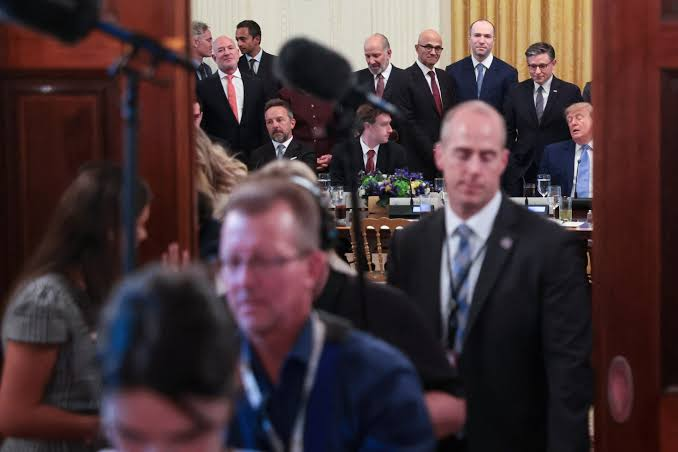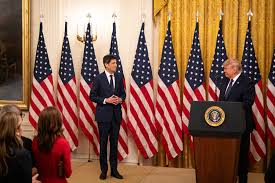
Kevin Warsh was sworn in as the 17th chair of the Federal Reserve on May 23 2026 amid a fraught economic backdrop marked by accelerating consumer prices and a string of regional energy shocks that have tightened supply chains and rattled markets. I write this with an appreciation for how quickly monetary policy expectations can shift and with a sense of urgency for the communities and businesses most exposed to higher living costs and volatile energy bills.
Immediate challenges on day one
Warsh assumes leadership while inflation remains stubbornly above the Fed’s two percent objective and while oil and gas disruptions in several regions have pushed headline inflation higher and increased price volatility. Energy producers are recovering from a mix of extreme weather events and geopolitical frictions that constrained supply earlier this year. Those disruptions have amplified input costs for manufacturers and raised transportation expenses for farmers and retailers.
The incoming chair faces three overlapping tasks. First he must reconcile the labor market’s relative strength with signs that wage growth is cooling in certain sectors. Second he must determine whether recent inflation spikes are transient responses to energy shocks or signal a broader reacceleration that requires policy tightening. Third he must guide market expectations about the path of interest rates while preserving financial stability amid heightened risk sentiment.
How markets reacted and what investors are watching
Global markets watched the swearing in with a mixture of relief and skepticism. Equity indexes stabilized after initial volatility but bond markets sent a sharper message: traders increased the probability of slower rate cuts than many economists had anticipated earlier this year. The market reassessment reflects concern that rate reductions paced for late 2026 may no longer be appropriate if inflation proves sticky.
Investors are closely tracking a few concrete indicators to gauge policy direction. They include core personal consumption expenditures measures which strip out volatile food and energy items and are a favored Fed gauge; wage growth trends compiled in the monthly employment reports; and regional energy price indexes that capture the persistence of the shock. Capital flows into safe haven assets and shifts in short term interest rate futures will shape expectations about the timing and magnitude of any future rate moves.
Policy options on the table
Warsh inherits a policy stance that is less accommodative than in recent years but not as tight as during prior disinflation cycles. He and the Federal Open Market Committee must weigh options that each carry trade offs.
- Maintain the current federal funds rate while using forward guidance and balance sheet tools to manage expectations and liquidity conditions.
- Implement moderate rate cuts sooner to relieve pressure on borrowers and energy intensive industries while risking a resurgence of inflation if price drivers remain elevated.
- Delay cuts and keep rates higher to ensure inflation trends decisively toward target even at the cost of higher borrowing costs for households and firms.
Each path requires careful communication. The Fed will need to articulate the conditionality of its decisions clearly to avoid unsettling markets and to preserve credibility about its inflation objective.
Distributional effects and real world consequences
Monetary policy choices have uneven consequences. Lower income households spend a larger share of income on energy and food so they are particularly vulnerable to price swings. Small businesses that depend on short term credit face higher financing costs if the Fed delays easing. Conversely prematurely loosening policy risks feeding into higher long term inflation expectations which can erode purchasing power for savers and retirees.
I spoke with a family energy cooperative in the Midwest that described sharply rising heating costs after supply interruptions last winter. For communities like theirs the timing of rate adjustments influences the difference between manageable bills and financial hardship. Policymakers must factor those human outcomes into technically complex decisions.
Coordination with fiscal policy and energy strategy
While the Fed sets monetary policy it cannot single handedly control energy markets or fiscal responses that mitigate shock effects. Warsh has signaled a willingness to engage with fiscal authorities through public briefings and private consultations to ensure macroeconomic policy is coherent. Targeted fiscal relief for households facing acute energy hardship and investments to diversify energy sources can reduce the burden on monetary policy and shorten the time needed to reanchor inflation expectations.
Longer term energy resilience and supply chain diversification are in the public interest and can reduce the likelihood that future regional disruptions translate into national inflation problems. This means infrastructure spending and strategic stockpiles in coordination with international partners.
Communication will be Warsh prime tool
One lesson from past Fed cycles is that transparency and predictable communication often achieve more than abrupt interventions. Warsh will likely lean on carefully worded guidance about conditional rate paths and may use a combination of press conferences speeches and committee statements to shape expectations. Clear communication can soften market reactions and give households and firms time to plan.
At the same time the Fed must manage credibility. Markets will parse every nuance for clues about the timing of rate cuts. If statements appear inconsistent the Fed may face larger financial market swings that complicate the transmission of policy to the real economy.
What to watch over the coming months
Readers should pay attention to a few tangible indicators that will reveal the economic trajectory and influence the Fed policy calculus.
- Core personal consumption expenditures readings released monthly which reflect underlying inflation momentum.
- Monthly employment reports that show wage trends and labor participation movements.
- Regional energy price indexes and inventories for oil and natural gas which indicate whether supply strains are easing.
- Financial market signals including short term rate futures and the yield curve which embed investor expectations for future policy shifts.
A test of credibility and compassion
Kevin Warsh first weeks at the Fed will be a test of both technical competence and empathy. He must demonstrate the intellectual rigor to interpret complex data and the political and human sensitivity to recognize who bears the costs of any policy path. The choices he makes will matter for inflation trajectories and for millions of households balancing budgets in the face of higher energy bills.
For policymakers the challenge is to act neither reflexively nor timidly. For citizens the important step is to follow credible data and to press for coordinated policies that couple monetary discipline with targeted fiscal measures aimed at the most vulnerable.
For a deeper look into the Fed preferred inflation gauge see the Bureau of Economic Analysis personal consumption expenditures release and for energy market developments consult the International Energy Agency analysis which provide timely context for the evolving situation.
Bureau of Economic Analysis PCE releases and International Energy Agency reports offer data driven perspectives that will matter as the Fed charts its course under Chair Warsh.