October 22, 2026
Luxury mountain property is entering a new phase as buyers look beyond winter holidays and seek homes that support everyday living throughout the year. Knight Frank’s 2026 global real estate outlook highlights a shift across major alpine luxury markets, where destinations traditionally associated with skiing are increasingly attracting interest as residential communities and long term investment locations. The change reflects evolving lifestyle preferences, flexible working arrangements, demand for outdoor recreation, and growing attention to the long term value of property in established mountain destinations.
For decades, the alpine property market followed a familiar seasonal rhythm. Snow covered slopes brought international visitors during winter, while many holiday homes remained quiet during warmer months. That pattern is changing as buyers increasingly consider what life looks like after the ski season ends. A home near mountain trails, a lake, or a historic village may offer opportunities for remote work, family life, wellness, and recreation across all four seasons.
The shift presents opportunities for property owners, developers, investors, and local businesses. However, it also creates questions about affordability, environmental protection, infrastructure, and the ability of mountain communities to accommodate permanent residents. The central issue is no longer simply whether a destination attracts winter visitors. It is whether that destination can support a vibrant community and a sustainable property market throughout the year.
Why Alpine Property Markets Are Moving Beyond Ski Season
The growing appeal of year round mountain living reflects a broader change in how affluent buyers evaluate residential property. Rather than viewing a chalet or apartment exclusively as a holiday retreat, some purchasers now want a home that can serve several purposes. It might provide a base for remote work, a place for children to spend school holidays, a retirement residence, or a second home used for extended periods throughout the year.
Remote and hybrid working arrangements have helped make these choices more practical for professionals who do not need to attend an office every day. Reliable internet connections allow residents to manage businesses, attend meetings, and work with international teams while living outside major urban centers. For people who value privacy and access to nature, this combination can make an alpine community particularly attractive.
Families may also appreciate the opportunity to spend more time outdoors. Hiking, cycling, climbing, swimming in mountain lakes, and exploring local villages provide alternatives to winter sports. Seasonal festivals, restaurants, cultural attractions, and regional food traditions can further strengthen a destination’s appeal beyond its busiest tourism period.
These changing priorities encourage buyers to assess properties through a more practical lens. Access to healthcare, schools, supermarkets, public transport, and reliable utilities can be just as important as a panoramic mountain view. The most appealing locations are often those that combine natural beauty with the services required for comfortable daily living.
Four Season Tourism Could Support More Resilient Local Economies
Summer and Autumn Bring New Opportunities
Mountain tourism has traditionally depended heavily on winter sports in many established alpine destinations. Four season tourism offers a broader economic model by attracting visitors during spring, summer, and autumn as well as winter. Hiking routes, mountain biking, wellness facilities, local food experiences, and cultural events can encourage visitors to stay longer and return at different times of the year.
For local businesses, a more balanced visitor calendar may create opportunities to maintain employment and revenue beyond the traditional ski season. Hotels can welcome summer travelers, restaurants can serve hikers and cyclists, and local guides can offer experiences suited to different weather conditions. Property owners may also find additional periods when their homes appeal to visitors, depending on local rental rules and market demand.
However, year round tourism does not automatically eliminate seasonal fluctuations. Weather, transport connections, event schedules, and consumer spending still influence demand. Communities need to develop attractions that genuinely appeal to visitors throughout the calendar rather than simply assume that summer demand will replace winter bookings.
Permanent Residents Strengthen Community Life
People who live in mountain towns throughout the year contribute to local economies in ways that differ from short term tourists. They use neighborhood shops, support schools, visit healthcare providers, participate in community activities, and build lasting relationships with local businesses. A larger permanent population can help sustain services that would be difficult to maintain in a community dominated by occasional visitors.
Yet this transition requires careful planning. An increase in luxury property purchases can place pressure on housing supply, particularly when second homes remain unoccupied for long periods. Local workers may struggle to find affordable accommodation near their jobs, even as premium property prices rise. Successful destinations must therefore balance the economic benefits of international investment with the needs of residents who keep their communities functioning.
What Luxury Buyers Want From Modern Mountain Homes
As alpine property becomes a potential year round residence, buyer priorities are broadening. Scenic views and proximity to ski lifts remain attractive, but practical features can determine whether a property works beyond a holiday visit. Buyers increasingly have reason to consider energy efficiency, storage, maintenance requirements, connectivity, and the availability of essential services.
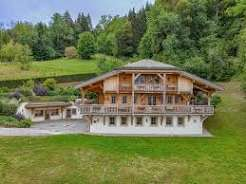
Modern luxury mountain homes may feature flexible living areas, dedicated workspaces, natural materials, generous windows, and efficient heating systems. Outdoor terraces and balconies can provide a connection to the landscape, while practical interior layouts make longer stays more comfortable. Properties designed for all seasons may also require effective insulation, ventilation, and careful protection against local weather conditions.
Location remains central to the decision. A property close to a functioning village may provide easier access to shops, schools, medical services, and restaurants. A secluded chalet may offer privacy and exceptional views but require more travel, maintenance, and planning. Buyers should evaluate these tradeoffs according to how they intend to use the property rather than relying solely on its appearance.
For international purchasers, ownership costs and legal requirements also deserve attention. Taxes, insurance, local restrictions, renovation permissions, and rules governing short term rentals can differ considerably between jurisdictions. Independent legal and financial advice can help buyers understand the full cost of ownership before committing to a purchase.
Why Investors Are Looking More Closely at Alpine Real Estate
The shift toward year round living is relevant to investors because it changes how a property’s potential income and long term appeal may be assessed. A home that attracts visitors during several seasons could offer a wider rental window than one whose demand depends almost entirely on winter skiing. A location with a stronger permanent community may also benefit from more consistent demand for local services and residential accommodation.
Nevertheless, wider seasonal appeal should not be confused with guaranteed rental income or rising property values. Rental performance depends on local occupancy rates, operating expenses, competition, tourism conditions, and the regulations governing holiday accommodation. Owners must also account for cleaning, repairs, property management, insurance, and periods when the property remains empty.
Investors should examine the market at the level of individual towns and neighborhoods. Two destinations in the same mountain region can have very different transport connections, planning policies, housing supplies, and visitor profiles. A property near a major transport link or an established year round community may have a different risk profile from a remote residence that relies on seasonal access.
Knight Frank’s wider global property research provides a starting point for examining international real estate trends. Buyers should combine broad market analysis with local transaction data, professional valuations, and advice from specialists familiar with the specific alpine destination.
Climate Change Is Reshaping the Alpine Property Conversation
Environmental conditions are becoming an important part of decisions about mountain real estate. Alpine destinations depend on their natural surroundings, yet changing temperatures and shifting precipitation patterns can affect snowfall, water availability, ecosystems, and the reliability of seasonal activities. These issues have encouraged buyers and investors to consider a destination’s appeal beyond its traditional winter attractions.
Four season tourism may provide some communities with a broader range of activities, but it is not a universal solution to climate related risks. Hiking, cycling, and lake tourism also depend on environmental conditions, and mountain regions can face hazards such as flooding, landslides, heat, and extreme weather. Property assessments should account for local geography, building standards, infrastructure, and available hazard information.
Energy efficiency is another important consideration. Heating requirements can be substantial in colder regions, making insulation, efficient equipment, and responsible building design relevant to operating costs. Renovations that improve energy performance may also make homes more comfortable during longer stays, although the benefits depend on the property’s existing condition and the cost of the work.
Environmental protection matters beyond individual buildings. Forests, water resources, wildlife habitats, and open landscapes help define the character of mountain destinations. Responsible planning can help preserve these assets while accommodating tourism and residential growth. The UNESCO World Heritage programme provides information about the protection of significant natural and cultural landscapes, including the importance of conserving the places that communities and visitors value.
Established Alpine Destinations Face Different Opportunities
Major alpine markets do not all operate in the same way. Their appeal depends on local infrastructure, international accessibility, planning regulations, tourism traditions, and the character of their communities. Established destinations may benefit from strong name recognition and developed services, while smaller towns may appeal to buyers seeking a quieter environment or a different price range.
Swiss destinations such as Zermatt and St Moritz are widely associated with premium mountain living and international tourism. In France, Chamonix combines mountain recreation with a substantial year round community and access to the wider Alpine region. Austrian destinations such as Kitzbuhel also attract attention from buyers interested in combining outdoor activities with village life and established hospitality services.
These examples illustrate the variety of the alpine property market rather than establish a ranking of investment performance. Buyers should compare current prices, ownership rules, transport access, community services, and local market conditions before deciding which destination best suits their needs.
Smaller communities may offer a different balance of privacy, local character, and affordability, although they may have fewer services or less convenient transport. Larger resorts can provide a broader range of amenities but may also experience greater competition for housing and stronger seasonal pressures. The right choice depends on whether the buyer prioritizes permanent residence, personal use, rental income, or a combination of objectives.
The Challenges of Turning Holiday Resorts Into Residential Communities
The transition toward year round mountain living can create substantial opportunities, but it also places new demands on local infrastructure. Permanent residents need reliable healthcare, schools, public transport, waste management, utilities, and housing that remains accessible to local workers. Communities that grow without sufficient planning may find that roads, services, and public facilities struggle to keep pace.
Housing affordability is a particularly sensitive issue. When international demand concentrates on premium homes, local prices can move beyond the reach of people working in hospitality, education, healthcare, construction, and other essential services. Local authorities may need to consider housing policies, planning decisions, and measures that support a healthy mix of residential and tourism accommodation.
Environmental capacity must also guide development. Mountain landscapes can be vulnerable to poorly planned construction, excessive traffic, and pressure on water and energy supplies. Responsible growth requires collaboration between property owners, developers, residents, tourism businesses, and public authorities.
For investors, these community considerations are more than social concerns. The long term appeal of a destination depends partly on whether it remains a pleasant, functional place to live and visit. Well maintained infrastructure, accessible services, and protected natural surroundings can contribute to the durability of a mountain property’s appeal.
How Buyers Can Assess a Year Round Mountain Property
Anyone considering an alpine home should begin by defining its intended use. A property chosen for occasional winter holidays may have different requirements from one intended for permanent residence or regular rental. Clear priorities make it easier to compare locations and assess whether the asking price reflects the property’s practical advantages.
Before purchasing, buyers should investigate several key areas:
- Year round accessibility: Check transport connections, road conditions, and access during different weather conditions.
- Local services: Evaluate healthcare, schools, shops, public transport, and community facilities.
- Total ownership costs: Review taxes, insurance, heating, maintenance, property management, and renovation expenses.
- Rental restrictions: Confirm local rules, licensing requirements, and any limits on short term accommodation.
- Environmental risks: Examine relevant information about flooding, landslides, weather exposure, and other local hazards.
- Long term planning: Understand proposed developments, infrastructure investment, and policies affecting housing and tourism.
These checks can help distinguish an attractive holiday purchase from a sound long term decision. Independent legal advice, a professional property inspection, and a realistic financial assessment remain essential, especially when purchasing across national borders.
What the Alpine Market’s Evolution Means for the Future
Knight Frank’s 2026 global real estate outlook points to a changing role for luxury mountain destinations. Rather than relying exclusively on their winter identity, leading alpine markets are increasingly being assessed for their ability to support residential life, recreation, tourism, and investment across the entire year.
This direction reflects changing buyer expectations, but it also places greater responsibility on communities and developers. Natural beauty may attract initial interest, yet long term success depends on reliable services, sensible planning, environmental care, and a local economy that can function beyond peak visitor periods.
For buyers, the growing appeal of year round mountain living creates an opportunity to reconsider what a luxury home can offer. A carefully chosen property may provide a place to work, spend time with family, enjoy outdoor activities, and remain connected to a community across changing seasons. For investors, the key is to evaluate individual markets carefully rather than assume that every alpine destination will benefit equally.
The future of alpine real estate will ultimately depend on how well these communities balance investment with livability. The strongest destinations are likely to be those that preserve the landscapes that make them distinctive while ensuring that residents, local businesses, and visitors can continue to enjoy them throughout the year.