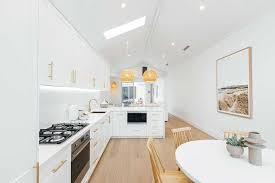
On June 15, 2026, architects and developers across the luxury residential market reported a clear pivot in client priorities. Aging in place infrastructure and health centered wellness features have emerged as the dominant drivers of high end renovations this year. What began as discreet requests for wider doorways and grab bars has grown into comprehensive redesigns that reimagine living spaces for longevity, safety, and daily wellbeing while maintaining aesthetic ambition.
Why affluent homeowners are reordering priorities
Several forces converge to explain the trend. Longer lifespans, rising expectations for at home care, and a desire to preserve independence influence homeowner decisions. Many clients no longer accept a trade off between beauty and usability. They want homes that read as refined and contemporary while allowing an elderly parent or a future self to move and live there with confidence. For families that weathered pandemic disruptions and supply chain uncertainty the calculus now includes resilience against sudden shocks and the emotional value of multigenerational continuity.
What aging in place means in luxury renovations
Aging in place in the luxury segment goes far beyond a single accessible bathroom or a stair lift. It involves systemic thinking across circulation, lighting, air quality, acoustics, and service spaces. Designers described projects that reposition primary living quarters to the ground floor, integrate lift ready shafts for future installation, and convert formal rooms into flexible suites that can serve as bedrooms or therapy spaces. Kitchens are being reworked with pull out shelving, multiple work heights, and touchless controls. Bathrooms include curbless showers, bench seating, soft floor surfaces that reduce fall impact, and concealed medical grade outlets for assistive devices.
Wellness features that clients now demand
Wellness upgrades are tightly intertwined with aging in place. Buyers ask for high performance heating and cooling, whole home air filtration with pathogen reduction, circadian lighting systems that support sleep and mood, and acoustic treatments that reduce cognitive fatigue. Water quality systems and affordable point of use filtration for critical taps are common additions. Home gyms are reframed as functional movement studios with low impact flooring and biometric monitoring capabilities. Outdoor areas are designed to be accessible and restorative with graded walkways, non slip surfaces, and shaded gathering nodes that encourage daily activity.
Design language that preserves luxury while prioritizing function
Architects emphasize that accessibility need not mean clinical or institutional aesthetics. Material choices such as textured stone, warm wood grains, and layered lighting create an atmosphere of understated elegance. Hardware that meets accessibility standards now comes in premium finishes and tactile forms that feel intentional. Open sightlines, consistent floor surfaces, and concealed thresholds maintain a fluent sense of space. Designers frequently use subtle cues such as gentle color contrasts to mark level changes and wide operable windows to connect interiors with gardens in ways that support mobility and wellbeing.
Technology and smart systems that support independence
Smart home systems now center on passive monitoring and adaptive assistance rather than flashy automation. Integrated sensors can detect falls, monitor gait patterns over time, and report deviations in activity that might signal health decline. Voice driven interfaces control lighting, climate, and shades to accommodate reduced mobility. Predictive maintenance alerts for systems such as generators and elevators preserve continuity of service. Security systems are designed with privacy respectful remote access so family members and caregivers can assist without turning the home into a surveillance environment.
Health partnerships and medical ready infrastructure
High end renovations increasingly incorporate medical ready infrastructure. Pre wired oxygen outlets, room layouts that allow wheelchair turning radii, and reinforced ceiling structures that can accept future patient lifts are requested by homeowners planning for potential care needs. Some projects include dedicated telehealth suites with soundproofing, high bandwidth connectivity, and specialized lighting for remote consultations. Designers are partnering with occupational therapists and geriatric specialists during planning stages to ensure spaces support safe daily living as well as clinical interventions when necessary.
Financial and resale considerations
Savvy clients view these renovations as investment grade decisions. Aging in place features can enhance resale value in markets with aging demographics and limited stock of truly accessible luxury homes. Lenders and insurers are responding by offering favorable terms for homes that reduce risk of injury and catastrophic system failures. At the same time bespoke medical infrastructure can lock value to a specific owner profile, so architects recommend adaptable solutions that can be easily re configured for future buyers.
Workforce and supply chain realities
The market shift has ripple effects on trades and supplier networks. Carpenters, plumbers, and electricians are retraining in accessible construction standards and low incline ramp systems. Manufacturers of luxury finishes are offering accessible hardware lines and anti slip stone treatments. Contractors note longer lead times for specialized equipment such as residential elevators and lift systems and advise clients to plan procurement earlier in the design process. Workforce development programs that teach universal design and installation standards are now in higher demand within boutique construction firms.
Case studies that illustrate practical outcomes
One coastal estate in California reoriented its principal suite to face a private garden and added a zero threshold shower with integrated seating that blends seamlessly with bespoke tilework. The project included a backup generator, battery system, and a discreet lift ready shaft behind a fitted wardrobe. A town house in London expanded a lower level to create a multigenerational suite with reinforced floors and a telehealth room that doubles as a study. In each case homeowners described a tangible sense of relief and a softening of future anxiety that came from making small, deliberate alterations to daily life.
Policy, codes, and incentives
Regulatory frameworks are beginning to respond. Several municipalities offer tax credits or permit fee reductions for accessibility retrofits that meet defined standards. Building codes in some jurisdictions have updated guidance on step free thresholds and emergency egress for accessible units. Architects encourage clients to engage early with local authorities to take advantage of incentives and to future proof permits against later enforcement changes.
Practical advice for homeowners considering renovations
Professionals recommend a phased approach. Start with an audit that assesses current and projected mobility needs, indoor environmental quality, and energy resilience. Prioritize actions that deliver immediate comfort and safety such as better lighting, slip resistant flooring, and improved HVAC filtration. Reserve structural interventions such as elevator installation for planned capital phases and identify lift ready provisions so those upgrades can proceed with minimal disruption. Finally engage with healthcare professionals to align design choices with realistic care trajectories.
Where to learn more
For technical standards and guidance on universal design and accessibility readers can consult resources such as the National Institute on Disability Independent Living and Rehabilitation Research for scholarly standards and the World Health Organization for aging related guidelines. These organizations provide evidence based frameworks that help homeowners and designers make informed decisions about long term living solutions https://www.who.int.
Closing observation
The luxury market s turn toward aging in place reflects a cultural shift that values continuity and foresight. By combining refined aesthetics with purposeful infrastructure and human centered technology homeowners can create spaces that honor present tastes while protecting future independence. The result is not a concession to loss but a careful architectural argument for living well at every age.