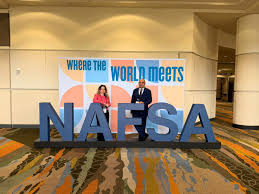
On June 10, 2026 the Association of International Educators known as NAFSA announced a coordinated global initiative to press governments and institutions for faster visa processing and remedies to travel bans that disrupt academic mobility. The campaign aims to protect summer enrollment cycles, preserve research collaborations and reduce the human toll when students scholars and academic staff face sudden restrictions. For families planning semester moves and for universities that rely on international talent the effort arrives at a precarious moment when slow consular services and policy barriers threaten livelihoods and long term partnerships.
What NAFSA is proposing
NAFSA’s initiative bundles advocacy research and direct support measures. The association will lobby for prioritized visa appointments streamlined background checks and clearer eligibility guidance for students and exchange visitors. It will also urge governments to adopt temporary measures during peak migration seasons such as expedited processing windows and increased consular staffing. In parallel NAFSA will mobilize member institutions to create contingency plans that include remote onboarding, deferred start options and emergency financial assistance for stranded students.
The campaign includes public facing research that documents processing timelines and case studies of disrupted exchanges. By putting concrete data into public view NAFSA hopes to persuade policymakers that delays carry economic and diplomatic costs that extend beyond campus borders.
Why summer season timing matters
Summer is the busiest period for visa issuance for incoming international students, visiting scholars and seasonal research programs. Delays at consulates can cause missed orientation sessions, late registrations and complications with housing and tuition deadlines. For graduate students funded on time sensitive grants a postponed arrival can jeopardize research milestones and stipend schedules. The human dimension is stark: students who delay risk losing scholarship offers and families face uncertain travel plans that carry emotional and financial strain.
NAFSA emphasizes that predictable processing is especially crucial for short term exchange programs and internships where timelines are tightly constrained. The association’s outreach targets both national governments and host institutions that together shape the user experience of international mobility.
Voices from students and faculty
At a NAFSA briefing students recounted the anxiety of long waiting periods, the hollow echo of empty dorm rooms and the sound of final exam notifications arriving while flights remained unbooked. A doctoral candidate described missing a laboratory rotation because visa clearance arrived weeks late and the resulting scramble to find remote work. Faculty members highlighted how collaborative research suffered when visiting scholars could not attend critical experiments or field seasons, sometimes forcing entire projects to be postponed.
Those personal stories underline a recurring theme in NAFSA’s argument: delays do not only inconvenience individuals but can erode the cadence of scientific and cultural exchange that universities sustain.
Policy levers and proposed fixes
NAFSA’s brief lists several practical policy levers. These include increasing consular staffing during predictable peak months, deploying mobile visa processing teams for high volume regions, and expanding use of trusted traveler style pre clearance for sponsored students and researchers. The association also recommends better communication channels so applicants receive timely updates on missing documentation and realistic timelines for adjudication.
Another key proposal is standardized emergency visa categories that allow rapid entry for researchers and students whose presence is essential to project continuity or to graduation requirements. Such categories would require clear criteria and accountability measures to prevent abuse while preserving flexibility for genuine cases.
Economic and institutional stakes
International students contribute substantial tuition revenue and local economic activity through housing, services and living expenses. Universities also depend on visiting scholars to staff specialized labs and to deliver niche courses. Prolonged disruptions can erode institutional budgets and affect course offerings, with downstream effects on domestic students. Municipal economies that host large university populations similarly feel the impact when arrivals fall short of projections.
Beyond economics the reputational stakes are high. Institutions compete globally for top talent and dependability in visa processes is a factor prospective students weigh when choosing a program. NAFSA argues that unreliable mobility undermines competitiveness and long term bilateral educational partnerships.
International reactions and diplomatic dimensions
Governments taking security driven restrictions often cite legitimate national safety concerns. NAFSA’s campaign recognizes those priorities while urging proportionate and transparent procedures that minimize collateral harm to academic exchange. Diplomats and foreign ministries in some countries have signaled openness to pilot measures that maintain security vetting while improving service delivery for credentialed scholars and students.
Academic consortia and university associations overseas have welcomed NAFSA’s outreach as a constructive effort to create cross border standards and to reinforce academic diplomacy as a stabilizing force even amid political tensions.
Operational support for affected students
Alongside policy advocacy NAFSA is coordinating practical support. The organization will expand guidance for students on documentation checklists, provide templates for universities to issue emergency sponsorship letters, and publish a tracker of consular appointment wait times aggregated from member reports. Universities will be encouraged to adopt flexible enrollment policies that include remote access to classes, prorated tuition options and emergency housing assistance.
These measures aim to reduce immediate hardship while the broader policy work progresses in diplomatic and legislative arenas.
Equity concerns and vulnerable populations
NAFSA highlights that travel bans and processing delays disproportionately affect students from low resource settings and those who require special accommodations, including students with disabilities or caregiving responsibilities. Financially vulnerable students face added burdens when flights are prepaid or when short term housing and visa related fees become sunk costs. The association calls for targeted emergency funds and fee waivers to prevent loss of opportunity for these groups.
NAFSA also urges institutions to conduct equity reviews of their contingency policies to ensure that emergency responses do not inadvertently privilege wealthier students who can absorb unexpected costs.
What to watch next
Key indicators of progress will include changes in consular appointment backlogs, adoption of expedited processing pilots and legislative action in major sending and receiving countries. Stakeholders should watch whether governments implement NAFSA style proposals and how universities update enrollment and onboarding policies for fall terms. Monitoring the association’s consular wait time tracker will provide an early signal of whether added resources and procedural tweaks yield measurable relief.
Where to find more information
NAFSA’s website provides policy briefs and resources for students and institutions and serves as a central hub for the campaign. For broader visa guidance and travel advisories travelers can consult official government resources such as the U S Department of State for visa procedural updates and the International Organization for Migration for cross border mobility insights. These sources help applicants plan while advocacy and policy changes unfold.
NAFSA’s action marks a concerted effort to protect academic mobility at a moment when predictable travel pathways are essential to education, research and personal lives. The initiative will require coordinated public private responses and sustained political will to ensure that international education remains accessible and resilient.
Would you like a short memo summarizing the campaign’s policy asks for a university president or a checklist for students preparing visa documentation this summer