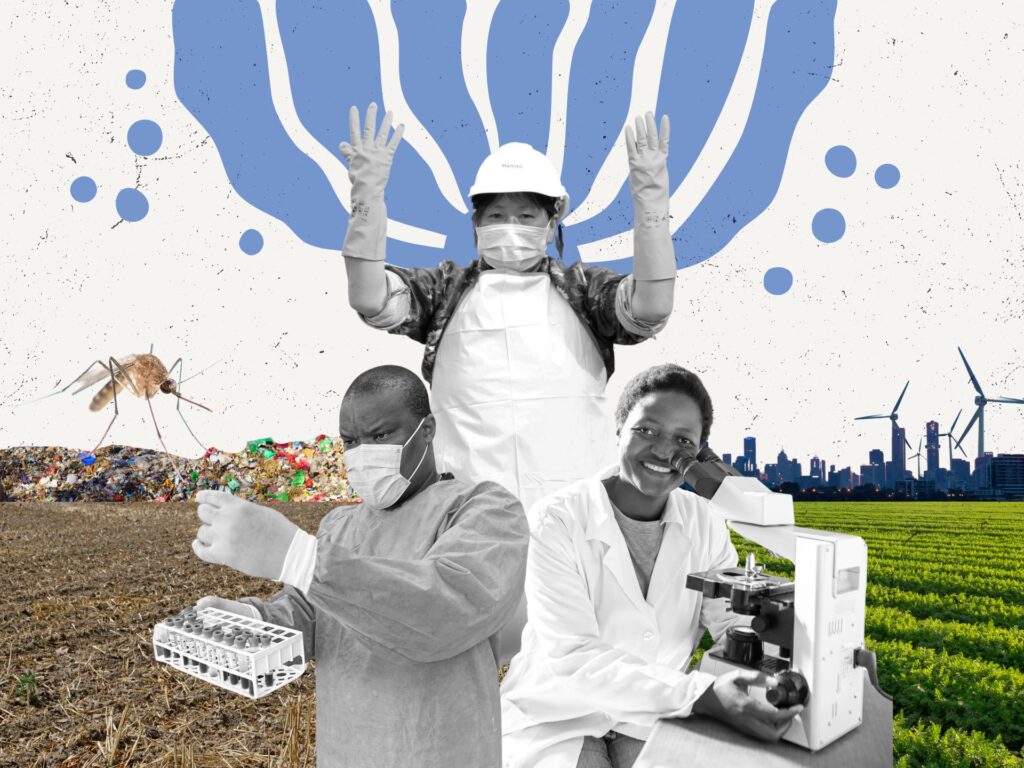
On April 18, 2026, global health officials issued a stark warning that the intersection of conflict, environmental disruption, and what they describe as “climate imbalance” is creating new and unpredictable vulnerabilities in global pandemic preparedness systems. I find the tone of urgency in these discussions increasingly difficult to ignore, as the world’s health security infrastructure is being tested not only by emerging pathogens but also by destabilized supply chains and shifting environmental conditions linked to geopolitical tensions.
The message emerging from international health circles is clear. The next major public health emergency may not begin with a single outbreak, but with a convergence of risks that weaken detection systems, delay response times, and strain already limited medical resources across regions most exposed to instability.
Climate Imbalance and Its Expanding Health Consequences
Health experts are increasingly using the term climate imbalance to describe disruptions in environmental stability that extend beyond gradual climate change. These include extreme weather volatility, shifting disease vectors, and disruptions to agricultural and water systems that indirectly influence public health.
According to recent global health assessments, climate related disruptions are already linked to rising outbreak frequency and increased spread of infectious diseases across borders. These risks are compounded when conflict damages infrastructure and displaces populations, creating conditions where diseases can spread more rapidly and detection becomes more difficult as highlighted in United Nations climate impact reporting.
In practical terms, these overlapping pressures mean that hospitals, laboratories, and surveillance systems are often operating under strain even before an outbreak begins.
Global Health Systems Face Compounding Pressures
International health agencies have emphasized that pandemic preparedness is no longer shaped solely by biological threats. Instead, it is increasingly influenced by economic disruption, migration flows, and instability in global logistics networks.
One of the most pressing concerns is the fragility of supply chains that support vaccines, diagnostics, and essential medical equipment. When transport routes are disrupted due to conflict or energy instability, even well resourced health systems can face shortages that delay response times.
Reports from global health security initiatives indicate that outbreaks of infectious diseases are becoming more frequent and geographically widespread, driven in part by climate related pressures and urban density changes according to global immunisation and outbreak monitoring data.
These conditions create a layered risk environment where preparedness systems must function under simultaneous stress from environmental, political, and economic forces.
Conflict Driven Disruptions and Resource Allocation Challenges
Health officials have also pointed to the direct impact of ongoing conflicts on global health security. War zones and politically unstable regions often experience weakened healthcare infrastructure, disrupted vaccination campaigns, and reduced disease surveillance capacity.
When combined with global supply chain instability, these disruptions can lead to uneven distribution of critical health resources. This raises difficult ethical and operational questions about how vaccines, treatments, and emergency funding should be prioritized during crises.
Recent international discussions at global health governance forums emphasize that preparedness is not only a technical issue but also a coordination challenge requiring sustained cooperation across borders as reflected in recent global health governance analysis.
Early Warning Systems Under Strain
A central concern among public health leaders is the capacity of early warning systems to function effectively under these compounded pressures. Surveillance networks rely on timely reporting, laboratory confirmation, and data sharing across multiple jurisdictions.
However, when conflict disrupts communications infrastructure or when climate events damage local health facilities, the flow of critical information can slow significantly. This delay can allow outbreaks to spread before containment measures are implemented.
In several regions, investments in digital surveillance tools and regional coordination frameworks are being expanded to address these gaps. Yet experts caution that technology alone cannot compensate for instability in the physical systems that support frontline healthcare delivery.
Climate Related Disease Patterns Are Expanding
Health researchers are also observing shifts in disease distribution linked to environmental changes. Rising temperatures and altered rainfall patterns are expanding the geographic range of certain vector borne diseases such as malaria and dengue fever.
These changes place additional pressure on countries that previously had limited exposure to such diseases, requiring rapid adaptation in public health systems, training, and resource allocation. In some cases, health systems must simultaneously respond to traditional infectious disease threats while preparing for new climate sensitive risks.
This dual burden significantly complicates pandemic preparedness planning, particularly in lower income regions where healthcare infrastructure is already stretched.
Global Coordination Efforts Intensify
Despite these challenges, international cooperation efforts are expanding. Multilateral health financing mechanisms and preparedness initiatives are working to strengthen surveillance systems, laboratory networks, and workforce training across multiple regions.
Recent global health financing programs have emphasized building integrated systems that combine human, animal, and environmental health monitoring. This approach reflects a growing recognition that pandemic risks are interconnected across ecosystems rather than isolated within human populations alone as discussed in recent global health governance research.
These initiatives aim to reduce detection delays and improve coordination between national and regional health authorities, particularly in high risk areas.
The Challenge of Preparedness in a Fragmented World
What stands out most clearly in current discussions is the tension between rising global risks and fragmented response capacity. While scientific understanding of disease dynamics has improved significantly, the operational environment in which health systems function has become more complex.
Conflict, climate instability, and economic pressure are no longer separate issues in global health planning. They now operate as interconnected variables that shape how effectively countries can prepare for and respond to outbreaks.
This reality is forcing policymakers to reconsider traditional models of preparedness that relied heavily on stable infrastructure and predictable supply chains.
Looking Ahead to a More Resilient Health Security Framework
As I reflect on the current trajectory of global health security, it is clear that resilience will depend on more than medical readiness alone. It will require integrated systems capable of functioning under uncertainty, supported by sustained international cooperation and adaptable resource allocation strategies.
The warning from health officials is not simply about future pandemics. It is about the present vulnerabilities already emerging at the intersection of climate disruption and geopolitical conflict. Addressing these risks will require coordinated action that extends beyond health ministries into climate policy, infrastructure planning, and global trade systems.
Ultimately, the challenge is not only to prepare for the next pandemic, but to strengthen the systems that determine whether early warnings are heard, understood, and acted upon in time.
::contentReference[oaicite:0]{index=0}
On April 18, 2026, global health officials issued a stark warning that the intersection of conflict, environmental disruption, and what they describe as “climate imbalance” is creating new and unpredictable vulnerabilities in global pandemic preparedness systems. I find the tone of urgency in these discussions increasingly difficult to ignore, as the world’s health security infrastructure is being tested not only by emerging pathogens but also by destabilized supply chains and shifting environmental conditions linked to geopolitical tensions.
The message emerging from international health circles is clear. The next major public health emergency may not begin with a single outbreak, but with a convergence of risks that weaken detection systems, delay response times, and strain already limited medical resources across regions most exposed to instability.
Climate Imbalance and Its Expanding Health Consequences
Health experts are increasingly using the term climate imbalance to describe disruptions in environmental stability that extend beyond gradual climate change. These include extreme weather volatility, shifting disease vectors, and disruptions to agricultural and water systems that indirectly influence public health.
According to recent global health assessments, climate related disruptions are already linked to rising outbreak frequency and increased spread of infectious diseases across borders. These risks are compounded when conflict damages infrastructure and displaces populations, creating conditions where diseases can spread more rapidly and detection becomes more difficult as highlighted in United Nations climate impact reporting.
In practical terms, these overlapping pressures mean that hospitals, laboratories, and surveillance systems are often operating under strain even before an outbreak begins.
Global Health Systems Face Compounding Pressures
International health agencies have emphasized that pandemic preparedness is no longer shaped solely by biological threats. Instead, it is increasingly influenced by economic disruption, migration flows, and instability in global logistics networks.
One of the most pressing concerns is the fragility of supply chains that support vaccines, diagnostics, and essential medical equipment. When transport routes are disrupted due to conflict or energy instability, even well resourced health systems can face shortages that delay response times.
Reports from global health security initiatives indicate that outbreaks of infectious diseases are becoming more frequent and geographically widespread, driven in part by climate related pressures and urban density changes according to global immunisation and outbreak monitoring data.
These conditions create a layered risk environment where preparedness systems must function under simultaneous stress from environmental, political, and economic forces.
Conflict Driven Disruptions and Resource Allocation Challenges
Health officials have also pointed to the direct impact of ongoing conflicts on global health security. War zones and politically unstable regions often experience weakened healthcare infrastructure, disrupted vaccination campaigns, and reduced disease surveillance capacity.
When combined with global supply chain instability, these disruptions can lead to uneven distribution of critical health resources. This raises difficult ethical and operational questions about how vaccines, treatments, and emergency funding should be prioritized during crises.
Recent international discussions at global health governance forums emphasize that preparedness is not only a technical issue but also a coordination challenge requiring sustained cooperation across borders as reflected in recent global health governance analysis.
Early Warning Systems Under Strain
A central concern among public health leaders is the capacity of early warning systems to function effectively under these compounded pressures. Surveillance networks rely on timely reporting, laboratory confirmation, and data sharing across multiple jurisdictions.
However, when conflict disrupts communications infrastructure or when climate events damage local health facilities, the flow of critical information can slow significantly. This delay can allow outbreaks to spread before containment measures are implemented.
In several regions, investments in digital surveillance tools and regional coordination frameworks are being expanded to address these gaps. Yet experts caution that technology alone cannot compensate for instability in the physical systems that support frontline healthcare delivery.
Climate Related Disease Patterns Are Expanding
Health researchers are also observing shifts in disease distribution linked to environmental changes. Rising temperatures and altered rainfall patterns are expanding the geographic range of certain vector borne diseases such as malaria and dengue fever.
These changes place additional pressure on countries that previously had limited exposure to such diseases, requiring rapid adaptation in public health systems, training, and resource allocation. In some cases, health systems must simultaneously respond to traditional infectious disease threats while preparing for new climate sensitive risks.
This dual burden significantly complicates pandemic preparedness planning, particularly in lower income regions where healthcare infrastructure is already stretched.
Global Coordination Efforts Intensify
Despite these challenges, international cooperation efforts are expanding. Multilateral health financing mechanisms and preparedness initiatives are working to strengthen surveillance systems, laboratory networks, and workforce training across multiple regions.
Recent global health financing programs have emphasized building integrated systems that combine human, animal, and environmental health monitoring. This approach reflects a growing recognition that pandemic risks are interconnected across ecosystems rather than isolated within human populations alone as discussed in recent global health governance research.
These initiatives aim to reduce detection delays and improve coordination between national and regional health authorities, particularly in high risk areas.
The Challenge of Preparedness in a Fragmented World
What stands out most clearly in current discussions is the tension between rising global risks and fragmented response capacity. While scientific understanding of disease dynamics has improved significantly, the operational environment in which health systems function has become more complex.
Conflict, climate instability, and economic pressure are no longer separate issues in global health planning. They now operate as interconnected variables that shape how effectively countries can prepare for and respond to outbreaks.
This reality is forcing policymakers to reconsider traditional models of preparedness that relied heavily on stable infrastructure and predictable supply chains.
Looking Ahead to a More Resilient Health Security Framework
As I reflect on the current trajectory of global health security, it is clear that resilience will depend on more than medical readiness alone. It will require integrated systems capable of functioning under uncertainty, supported by sustained international cooperation and adaptable resource allocation strategies.
The warning from health officials is not simply about future pandemics. It is about the present vulnerabilities already emerging at the intersection of climate disruption and geopolitical conflict. Addressing these risks will require coordinated action that extends beyond health ministries into climate policy, infrastructure planning, and global trade systems.
Ultimately, the challenge is not only to prepare for the next pandemic, but to strengthen the systems that determine whether early warnings are heard, understood, and acted upon in time.