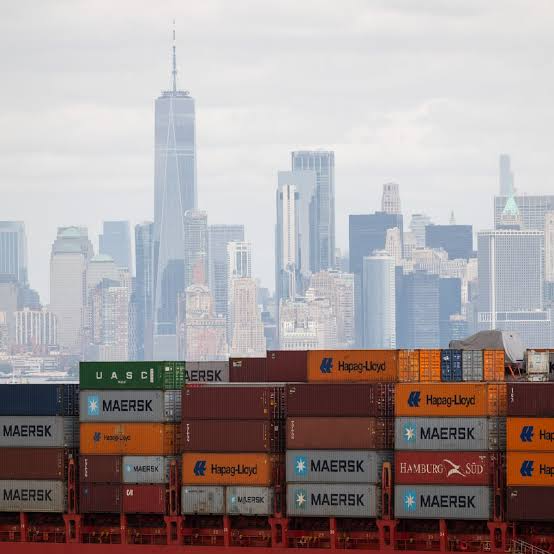
Rising global energy and oil prices are putting renewed pressure on agricultural shipping routes, freight costs and food supply forecasts, creating another layer of uncertainty for producers, traders and consumers. The developments being monitored on August 18, 2026, highlight how closely energy markets remain tied to the cost of moving food from farms and ports to households around the world. When fuel becomes more expensive, the effects can travel quietly through ships, trucks, storage facilities and processing plants before eventually reaching supermarket shelves.
Why Energy Prices Matter to the Global Food System
Food prices are shaped by much more than what happens on a farm. A grain producer may harvest a strong crop, but that crop still has to be transported, stored, processed and delivered. Each stage consumes energy. Diesel powers agricultural machinery and trucks, marine fuel powers cargo vessels, and natural gas and electricity support processing, refrigeration and storage.
When crude oil prices rise, those costs can begin appearing throughout the agricultural supply chain. Freight companies may face higher operating expenses, shipping companies can pay more to move cargo between major ports, and food processors may experience higher costs for energy intensive operations.
The effect is not always immediate. Contracts can temporarily absorb some of the increase, companies may have fuel hedges in place and inventories can provide a cushion. But sustained energy inflation can eventually work its way through commodity markets, particularly when supply chains are already dealing with weather disruptions, geopolitical uncertainty or limited transportation capacity.
Agricultural Shipping Routes Face a New Cost Challenge
International agricultural trade depends heavily on maritime transportation. Huge volumes of wheat, corn, soybeans, rice and other commodities travel between exporting and importing countries by sea. The economics of those shipments can change quickly when fuel prices rise.
A cargo vessel carrying agricultural commodities may travel thousands of miles before reaching its destination. Fuel represents a substantial operating expense during that journey. Higher fuel costs can therefore affect freight rates and alter the economics of individual trade routes.
For import dependent countries, the issue can become particularly sensitive. A nation that relies heavily on overseas supplies of wheat or vegetable oils may have limited alternatives when shipping costs rise. Importers can face higher landed costs even when the international price of the commodity itself has not changed dramatically.
That distinction is important for consumers. A rise in the price of crude oil does not automatically mean that the price of bread, cooking oil or other food products will rise by the same percentage. Instead, energy costs interact with many other variables before reaching the final consumer.
Shipping Costs Can Change Commodity Trade Patterns
Higher transportation costs can influence where agricultural commodities are purchased. Buyers may begin looking for suppliers located closer to their markets if the savings in shipping outweigh differences in commodity prices.
For example, an importer might compare a cheaper grain shipment from a distant exporter with a more expensive shipment from a geographically closer producer. When freight costs are low, the distant source may remain attractive. When fuel and shipping costs rise sharply, the balance can change.
Over time, these decisions can influence global commodity flows. Exporters with favorable geographic positions may become more competitive, while countries that depend on long maritime routes can face greater exposure to energy market volatility.
This is one reason commodity analysts monitor transportation costs alongside crop conditions, inventories and production forecasts. The physical location of food matters almost as much as the amount being produced.
Food Inflation Could Feel the Pressure in Multiple Ways
Consumers usually experience food inflation at the end of a long chain of transactions. A loaf of bread, for example, reflects the cost of grain, milling, packaging, electricity, labor, transportation and retail operations. A change in any one of those components can influence the final price.
Higher fuel costs can affect food prices through several channels:
- Higher freight expenses for imported and exported commodities
- More expensive trucking between farms, warehouses, processors and retailers
- Higher operating costs for agricultural machinery
- Increased energy expenses for food processing and refrigeration
- Greater costs for packaging production and industrial distribution
The impact will vary substantially between countries and food categories. Fresh produce may be particularly sensitive to transportation and refrigeration requirements, while shelf stable commodities can sometimes be stored for longer periods and moved when market conditions are more favorable.
Developing Economies May Face Greater Exposure
Energy driven food inflation can be especially difficult for lower income countries where households already devote a large share of their budgets to food. Even a moderate increase in imported commodity costs can create pressure for families that have limited room to absorb higher prices.
Governments may respond through subsidies, strategic reserves, reduced import duties or other measures designed to protect consumers. But these policies can place additional pressure on public finances, particularly when energy prices and food costs rise simultaneously.
For countries that depend heavily on imported fuel as well as imported food, the situation can become even more complicated. Higher energy prices can increase the cost of bringing food into the country while also raising the domestic cost of transportation and distribution.
This creates a difficult policy problem. Governments must balance consumer affordability with the financial health of farmers, importers, transport companies and food producers.
Weather Risks Could Magnify the Energy Shock
Energy prices are only one part of the agricultural outlook. Weather remains a major source of uncertainty for global food supply forecasts, and its interaction with transportation costs can produce particularly difficult conditions.
A poor harvest in a major exporting region can reduce available supplies just as higher fuel prices make replacement shipments more expensive. Conversely, a strong harvest can provide additional supply that helps offset transportation inflation.
This is why agricultural markets rarely move according to one factor alone. Traders and analysts monitor crop conditions, rainfall, temperatures, inventories, export policies, shipping activity and energy prices simultaneously.
The Food and Agriculture Organization’s Food Price Index remains a useful reference for following broad international movements in food commodity prices and market conditions.
Oil Markets and Agricultural Machinery Are Closely Connected
The relationship between energy and agriculture begins before crops ever reach a port. Farmers depend on fuel for tractors, combines, irrigation equipment and other machinery. Fuel is also required to move harvested crops from fields to storage facilities.
When diesel prices rise, farmers can face higher operating costs even when crop yields remain stable. Some producers may attempt to absorb those expenses, while others may adjust planting decisions or seek efficiency improvements.
Input costs can therefore influence future supply rather than merely changing the cost of existing production. If high energy prices persist for a long period, farmers may reconsider which crops are most profitable under the new cost structure.
Those decisions can eventually affect commodity availability and prices. The consequences may take months to appear because agricultural production follows seasonal cycles.
Storage Can Provide a Temporary Buffer
Food inventories can soften the immediate impact of higher transportation costs. Grain stored near major consumption centers does not necessarily need to be shipped immediately from distant producers, allowing buyers and traders some flexibility while markets adjust.
Storage capacity, however, is not unlimited. Maintaining inventories also requires energy, particularly when commodities need controlled temperature or humidity conditions. Warehouses, grain elevators, refrigerated facilities and distribution centers all face operating costs that can rise when energy becomes more expensive.
This means storage can delay the impact of a supply shock without eliminating it. If high energy prices persist, the cost of maintaining inventories becomes another factor that markets eventually have to absorb.
What Traders and Food Companies Are Watching
Commodity traders and food companies are likely to monitor several indicators closely as energy markets remain volatile. Crude oil prices are an obvious starting point, but transportation conditions and agricultural fundamentals are equally important.
Key indicators to monitor
Market participants are watching international freight rates, diesel prices, port congestion, crop forecasts, grain inventories, export restrictions and currency movements. Exchange rates can be particularly important because agricultural commodities are traded internationally and a weaker currency can change the local cost of imports.
Companies with large supply chains may also review sourcing strategies and inventory policies. A food manufacturer that normally depends on one major supplier could seek additional sources if transportation costs or geopolitical risks make that route less reliable.
Consumers May See Uneven Effects
Households should not assume that every food category will respond to higher oil prices in the same way. Some products have short supply chains and strong domestic production, while others depend on imported ingredients or long distance transportation.
Processed foods can also respond differently because their prices incorporate several layers of energy and transportation costs. Packaging, refrigeration and manufacturing can become more expensive even if the agricultural commodity itself remains relatively stable.
For consumers, this means food inflation may appear unevenly across grocery categories. Some prices may rise quickly, others may remain stable and certain products could even become cheaper if harvest conditions improve or global supplies increase.
Why Global Food Security Remains a Central Concern
The greatest concern is not simply whether food becomes more expensive. It is whether vulnerable populations can maintain reliable access to adequate food when several pressures occur simultaneously.
Energy markets, agricultural production and international trade are closely connected. A disruption in one part of the system can create pressure elsewhere. Higher fuel costs can raise shipping expenses, weather can reduce harvests and trade restrictions can limit available supplies. When several events occur together, the effect can be much greater than any individual shock.
International organizations and governments therefore have an important role in monitoring food availability and supporting resilient supply chains. Strategic reserves, diversified sourcing and reliable transportation infrastructure can all help countries respond when global markets become unstable.
The Outlook for Global Commodity Markets
The outlook on August 18, 2026, remains closely tied to the interaction between energy markets and agricultural fundamentals. Rising oil prices create additional costs throughout the food supply chain, but the eventual effect on food prices will depend on crop production, inventories, freight capacity, currency movements and consumer demand.
We should also avoid assuming that higher transportation costs automatically produce a prolonged global food crisis. Agricultural markets are adaptable. Producers can change planting decisions, traders can redirect shipments, companies can diversify suppliers and governments can use reserves or policy measures to reduce pressure.
Still, the current environment demonstrates why food security cannot be separated from energy security. The journey from a field to a dinner table depends on fuel at almost every stage, from planting and harvesting to shipping, processing and final distribution.
For consumers, businesses and policymakers, the central lesson is clear. Global food prices are shaped not only by what farmers produce, but also by how efficiently the world can move those supplies across borders. If energy costs remain elevated, international agricultural trade will face continued pressure, making supply chain resilience, diversified sourcing and careful commodity market monitoring increasingly important.