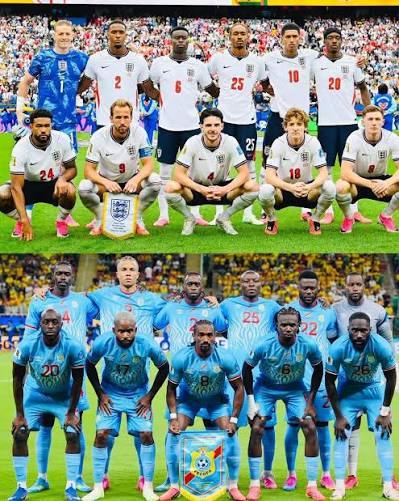
As the 2026 FIFA World Cup Round of 16 unfolds across packed North American stadiums on July 1, 2026 the tournament shifts from group stage pageantry to knockout intensity. England, Belgium and the United States enter their matches under heavy lights and heavier expectations, with millions watching worldwide. The stakes feel tactile: the buzz of vendor calls, the warmth of sun soaked stands, the tight quiet before kickoff when a single mistake can end a campaign.
England arrives with expectation and a tactical puzzle
England walked into the tournament carrying the twin burdens of history and hope. The squad blends youthful pressing energy with seasoned campaigners tasked with steadying the ship in tense moments. Managerial choices centered on balancing forward flair with defensive prudence, and the Round of 16 offers a tactical puzzle. Opponents who sit deep will invite England to probe patiently, while counterattacking sides present a test of transition defense and goalkeeper command in high pressure moments.
The sensory picture at the stadium is vivid. English supporters wore scarves and sang with collective force that swelled into the stands like a living organism. On the pitch the tempo can swing within a single sequence: a neat possession phase, a sudden turnover, a charging run that splits midfield and forces frantic defending. Small moments loom large: a timed run into the box, a defending header cleared only as far as an opponent, a goalkeeper claim that steadies a nervous back line.
Key matchup factors
Set pieces and match control are pivotal. England often leans on creative wide play to generate service, but the Round of 16 opponent may force tighter passing windows. How England manages substitutions and game state will be decisive. Late games often turn on stamina and the ability to sustain pressing without sacrificing structure. If England maintains composure and controls midfield tempo they will force their tactical program on the game; otherwise they risk being drawn into a chaotic final third battle where luck plays a greater role.
Belgium seeks to recapture past brilliance amid generational shift
Belgium arrives with a veteran core that has seen deep tournament runs but also with a new cohort of players eager to prove themselves. Their identity mixes technical ball progression with creative midfield orchestration. The Round of 16 demands cohesion. Coaching choices have focused on defensive shape and the timing of attacking rotations to avoid leaving gaps in midfield that athletic opponents can exploit.
Fans painted the stands in red and gold, creating a humming backdrop. The team s best moments often come when short passing turns into sudden verticality, catching opponents out of position. Belgium s challenge lies in balancing creative freedom for its attacking talents with discipline in pressing lanes to prevent easy counters. If the team can synchronize movement and keep possession under high pressure they will generate openings from which clinical finishers can profit.
Tactical watch points
Midfield control and transitional defense are decisive. Belgium needs to limit turnovers in risky zones and play with precision in final third combinations. Their ability to exploit half spaces through late arriving runs and quick set piece routines could break deadlocks. Conversely they must guard against overcommitting men forward during sustained pressure sequences that invite lethal counters.
The United States plays at home with expectation and raw energy
The United States squad faces the unique burden and advantage of playing in front of home crowds. Supporter energy felt like a physical force: drums, chants and flags create an environment that can lift effort and unsettle opponents. The U.S. team has shown progressive tactical flexibility, blending direct width with positional overloads through attacking midfielders who drift inside to create numerical superiority.
Playing at home introduces emotional stakes. Players absorb crowd noise and roar but also the expectation that a deep run is possible. For the coaching staff the challenge is to channel enthusiasm into disciplined execution. Matching physical intensity with disciplined spatial awareness will matter most in the final third and in defending set pieces where lapses can be fatal.
What will likely decide the U.S. match
Set piece defending, late game management and clinical finishing are critical. The United States must avoid needless fouls in dangerous zones and close lanes for cross field switches that can open space behind fullbacks. If they control tempo, pick their moments to press and convert the chances they create, the home advantage could prove decisive. Conversely, conceding early can force them into a reactive posture that negates crowd momentum.
Player narratives that could tilt matches
Individual form matters in knockout soccer. For England a forward finding a scoring rhythm or a midfielder rediscovering passing tempo can define proceedings. Belgium looks to experienced playmakers to unlock tight defensive blocks, while the United States needs its creative fulcrums to execute the final pass under immense noise and distraction.
Goalkeepers will play oversized roles. In close matches a sharp stop or a confident distribution under pressure can swing momentum. Penalty preparedness and psychological resilience in tight moments often determine who advances when regulation time cannot separate teams.
Broadcasting the drama to a global audience
Millions tune in from different time zones, bringing diverse viewing rituals. For some viewers it is a living room event with shared food and conversation. For others it is a quiet, late night vigil. Broadcasters craft dominant camera angles and slow motion replays to freeze small decisive actions for global audiences. The narrative produced by commentators can amplify pressure or soothe frayed nerves, framing a missed chance as tragedy or as part of a larger tactical arc.
Digital viewing has added layers. Social feeds erupt with memes, tactical diagrams and instant replays. Fan reaction across platforms can sway public perception of performance within minutes, influencing narratives around coaching decisions and player mentality.
Coaching calls and the margins of error
Coaches will be judged on substitutions, tactical tweaks and timeout management in the face of momentum swings. A well timed substitution can energize an attack or shore up a defense. Conversely a delayed reaction to an opponent s shift can compound existing problems. Coaches must read the match as it unfolds, balancing statistical tendencies with instinct and read of individual player conditions.
What a win and a loss mean
Victory in the Round of 16 propels teams into the quarterfinals where recovery time shortens and strategic depth becomes vital. For a nation, an advance can mean weeks of celebration and commercial windfalls. For a player, it can define a career. Defeat ends the tournament and forces immediate reflection. Coaches face scrutiny, federations consider changes and players return home carrying a mixture of pride and disappointment.
Fan experience and the human element
Beyond tactics the World Cup is a human story. We saw grandparents clutch tickets as if holding memory itself, siblings who traveled continents to support a cousin, and stadium staff racing to handle surges of emotion after late goals. Those threads are the tournament s heartbeat. The Round of 16 concentrates human drama into ninety minutes plus injury time where ordinary lives intersect with sporting fate.
What to watch as matches unfold
Key signals to follow include halftime adjustments, substitution timing around the 60th to 75th minute window, set piece frequency and how each team manages game state after a goal. Watch for tactical switches toward more conservative fullbacks when protecting a lead and for attacking midfielders asked to take more risks in search of a decisive moment. Penalty readiness and goalkeeper form will matter if matches go to extra time.
Further context
For readers who want tactical primers and statistical context the FIFA official site provides match data and historical tournament analytics, while leading sports analysts publish lineup breakdowns and expected goals models each match day. See FIFA for fixtures and stats at fifa.com.