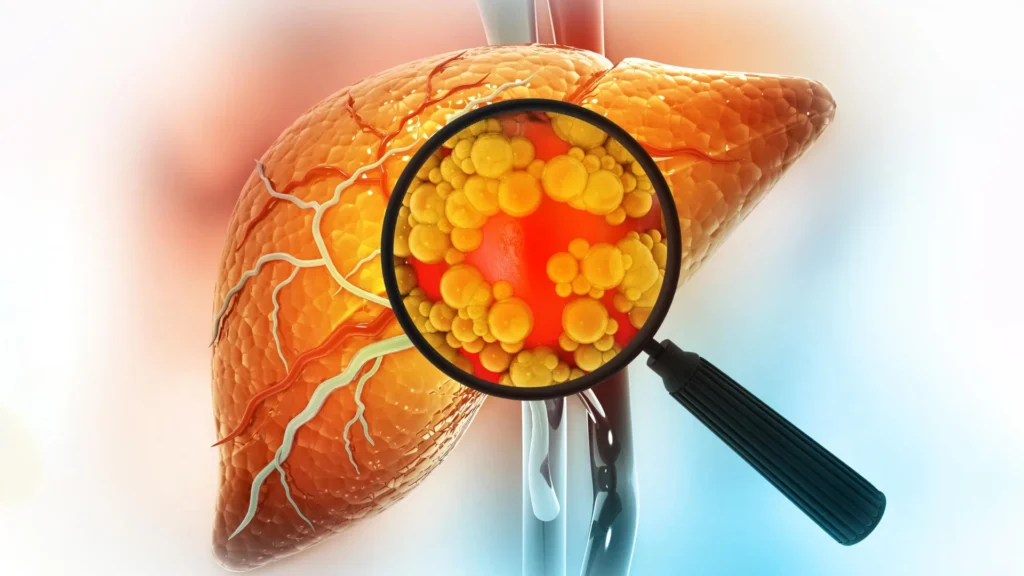
We are reporting on a striking development in aging and liver disease research that could reshape how scientists understand chronic inflammation and metabolic disorders. On April 16, 2026, researchers revealed that removing so called “zombie” immune cells in mice not only reduced liver inflammation but also reversed significant liver damage, even when animals continued consuming an unhealthy, high fat diet.
The findings point to a previously underappreciated biological driver of fatty liver disease and aging itself: senescent immune cells that stop functioning properly but continue releasing harmful inflammatory signals into surrounding tissue.
What Scientists Mean by “Zombie” Cells
The term “zombie cells” refers to senescent cells, which are living cells that have permanently stopped dividing due to stress, damage, or aging. Instead of dying off, they remain in the body and begin releasing inflammatory molecules that disrupt nearby healthy tissue.
In the latest research led by scientists at the University of California Los Angeles, a specific type of immune cell known as a macrophage was found to become senescent in the liver. These dysfunctional cells accumulate over time and appear to play a central role in driving fatty liver disease and age related inflammation. ScienceDaily report on the study highlights how these cells can make up the majority of liver immune cells in older animals.
We are seeing a shift in understanding where aging is no longer viewed only as a gradual decline, but as a process strongly influenced by cellular behavior that can potentially be targeted.
How the Harmful Cells Build Up in the Liver
The research shows that these senescent macrophages accumulate dramatically with age. In young mice, only a small fraction of liver immune cells display signs of senescence. In older mice, that proportion rises sharply, in some cases reaching as high as sixty to eighty percent of liver macrophages.
This buildup creates a chronic inflammatory environment inside the liver. The cells do not perform normal immune functions efficiently, but they actively secrete inflammatory proteins that damage surrounding tissue. Over time, this contributes to fatty liver disease, scarring, and metabolic dysfunction.
One key trigger identified in the study is excess cholesterol. When healthy immune cells were exposed to high cholesterol levels in laboratory conditions, they transitioned into a senescent state, suggesting that diet and metabolic stress may accelerate this harmful process.
Removing Zombie Cells Reverses Liver Damage in Mice
The most striking part of the study comes from experiments where researchers used a senolytic drug, a compound designed to selectively eliminate senescent cells. When treated mice were given this therapy, the results were dramatic.
Even animals fed a high fat and high cholesterol diet showed significant improvement after treatment. Liver inflammation dropped, liver size normalized, and overall metabolic health improved. In some cases, liver damage was reversed even without any changes to diet.
According to the UCLA research summary, clearing these cells “dramatically reduced inflammation and reversed liver damage in mice, even while the animals remained on an unhealthy diet.” UCLA Health report
We are looking at a rare type of biological response where removing a single harmful cell population leads to widespread improvement across an organ system.
Why This Discovery Matters for Human Health
Fatty liver disease is one of the fastest growing chronic conditions globally, strongly linked to obesity, poor diet, and metabolic syndrome. In many cases, it progresses silently until significant liver damage has already occurred.
The study suggests that senescent immune cells may be a central driver of this disease, rather than just a byproduct of aging. This reframes how scientists think about chronic liver inflammation and opens the door to targeted therapies that address root causes instead of symptoms.
Researchers also found evidence that similar senescent cell signatures exist in human liver samples affected by disease, suggesting that the mechanism observed in mice may be relevant to people as well.
From Fatty Liver Disease to Broader Aging Research
Beyond liver health, the findings contribute to a growing field of research focused on senescence as a shared mechanism behind multiple age related diseases. Scientists have long suspected that these dysfunctional cells play a role in conditions such as cardiovascular disease, neurodegeneration, and metabolic disorders.
By targeting senescent cells, researchers hope to develop therapies that address aging at a biological level rather than treating individual diseases in isolation. This approach is known as geroscience, which examines the underlying processes that drive aging across multiple organ systems.
We are now seeing early experimental evidence that removing these cells can produce systemic improvements, not just localized effects in the liver.
Challenges Before Human Treatments Become Possible
Despite promising results, researchers caution that current treatments used in the study are not ready for human use. The senolytic drug used in mice showed toxicity concerns that make it unsuitable for clinical application in its current form.
The next step is to identify safer compounds that can selectively target senescent immune cells without harming healthy tissue. Scientists are also investigating whether lifestyle factors such as diet and cholesterol management can reduce the formation of these harmful cells.
We are still in early stages, but the direction of research suggests a future where age related diseases could be treated by clearing or controlling dysfunctional cell populations.
A New Direction for Liver Disease Research
This study adds to a growing body of evidence that liver disease is not solely driven by fat accumulation, but also by immune system dysfunction at the cellular level. Similar findings from other research groups have shown that senescent cells contribute to inflammation by releasing toxic molecular signals that disrupt tissue repair processes.
As scientists continue to map how these cells behave in different organs, there is increasing optimism that targeted therapies could one day slow or even reverse aspects of aging related disease.
We are observing a scientific shift that moves away from managing chronic disease and toward directly addressing the biological mechanisms that allow it to develop in the first place.
Looking Ahead
The discovery that removing senescent immune cells can reverse liver damage in mice represents a significant step forward in understanding the biology of aging and metabolic disease. While human applications remain years away, the research provides a clear roadmap for future therapies focused on cellular rejuvenation.
If these findings translate successfully to humans, they could reshape treatment strategies for fatty liver disease and potentially other age related conditions that currently have limited options for reversal.