We are witnessing a quiet but profound transformation inside our homes. What once required multiple apps, disconnected devices, and constant troubleshooting is now converging into a single, intelligent system. On April 17, 2026, home improvement experts highlighted a defining shift toward what they call a Unified Ecosystem, powered by the latest Matter 1.5 integration, where heating, security, lighting, and energy systems operate through one seamless AI driven interface.
This is not simply an upgrade in convenience. It represents a fundamental redesign of how people interact with their living spaces. For homeowners, the promise is simple yet powerful: a home that responds intuitively, communicates internally, and reduces the friction that has long defined smart technology.
The Rise of a Truly Connected Home
For years, the smart home industry has been fragmented. Devices from different brands often required separate apps and rarely worked together without complex setups. The introduction of the Matter standard changed that trajectory by creating a unified framework where devices can communicate regardless of manufacturer.
Matter operates as an open connectivity standard designed to ensure interoperability across ecosystems such as Apple Home, Google Home, and Amazon Alexa, eliminating the need for isolated systems and brand specific limitations . With the release of version 1.5, that vision is becoming more practical and reliable.
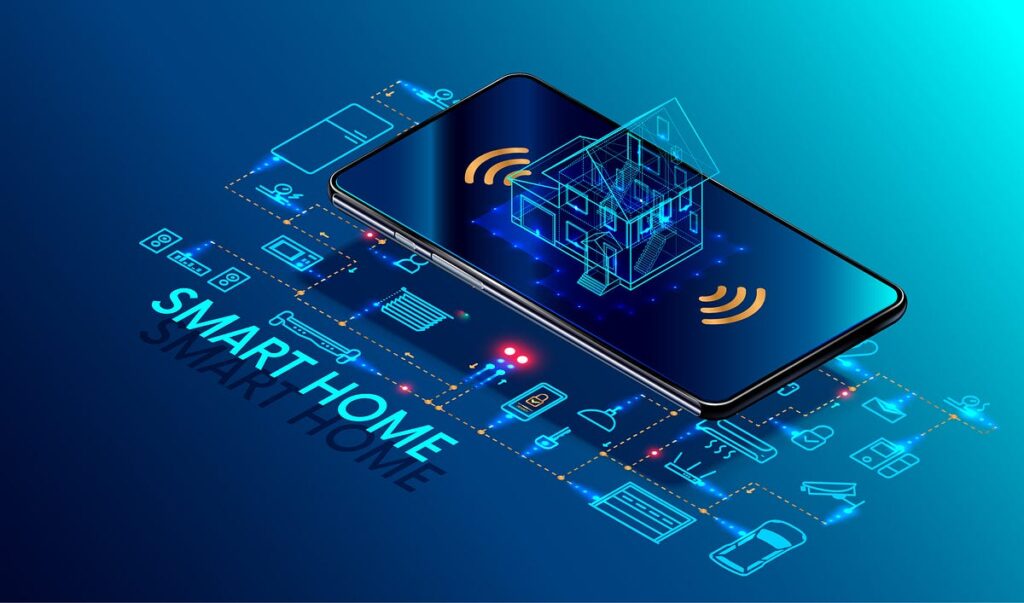
We are now seeing homes where thermostats, door locks, cameras, and lighting systems speak the same digital language, forming a cohesive environment rather than a collection of disconnected tools.
What Makes Matter 1.5 a Turning Point
The latest update to the standard is not about flashy features but about maturity and stability. Matter 1.5 focuses on making smart homes work better in real life, addressing common frustrations such as devices going offline or failing to sync properly.
Key improvements include stronger device reliability, better synchronization across platforms, and enhanced support for energy systems and cameras. These changes may not always be visible, but they are essential for creating a system that users can trust daily.
We are moving from experimentation to dependability, where smart homes are no longer novelties but essential infrastructure.
Energy and Efficiency at the Core
One of the most significant aspects of Matter 1.5 is its expanded focus on energy management. The standard now supports systems that monitor and optimize energy usage, including integration with solar panels, batteries, and heating systems.
This means a home can automatically adjust heating based on energy pricing or reduce consumption during peak hours. It is a shift that aligns with growing global emphasis on sustainability and cost efficiency.
We are beginning to see homes that not only respond to occupants but also adapt to environmental and economic conditions.
The Emergence of a Single AI Interface
At the heart of the Unified Ecosystem concept lies a single control layer powered by artificial intelligence. Instead of juggling multiple apps, homeowners interact with one interface that understands context, preferences, and patterns.
Imagine a morning routine where lights gradually brighten, heating adjusts to a comfortable level, and security systems disarm as you move through the house. These actions are not triggered manually but coordinated automatically through a centralized system.
This level of integration is made possible because Matter allows devices to share data and respond collectively, rather than functioning in isolation.
We are seeing how the role of technology is shifting from reactive to anticipatory, where homes begin to think ahead of their occupants.
Security and Privacy in a Unified System
As connectivity increases, so do concerns about security and privacy. The Matter standard addresses these issues by emphasizing local control and secure communication. Devices are designed to function within the home network without relying entirely on cloud services, reducing vulnerabilities.
This local first approach ensures that even if internet connectivity is disrupted, essential systems continue to operate. It also gives users greater control over their data, a critical factor in building trust.
We are observing how security is no longer an afterthought but a foundational element of modern smart home design.
The Human Experience Inside a Smart Ecosystem
Beyond the technical specifications, the real impact of Unified Ecosystems is felt in everyday life. For many homeowners, the frustration of managing multiple devices has been a barrier to fully embracing smart technology.
With a unified system, that friction disappears. The home becomes quieter in its operation, less demanding of attention, and more aligned with human routines. It is a shift that feels less like using technology and more like living with it.
We are beginning to understand that the true measure of innovation is not complexity but simplicity.
Industry Momentum and Adoption Challenges
The adoption of Matter and Unified Ecosystems is supported by a broad coalition of technology companies and manufacturers. Hundreds of organizations are contributing to the standard, reflecting a shared recognition that interoperability benefits both consumers and the industry.
However, challenges remain. Not all devices support the latest features, and implementation can vary between platforms. Adoption often depends on firmware updates and manufacturer commitment, which can create inconsistencies in user experience.
We are in a transitional phase where the vision is clear, but the path to full realization is still unfolding.
The Role of Manufacturers and Developers
For Unified Ecosystems to succeed, manufacturers must align their products with the standard while maintaining innovation. Developers are tasked with creating applications and interfaces that harness the full potential of interconnected devices.
This balance between standardization and creativity will shape the future of the smart home industry. Too much rigidity could limit innovation, while too little could reintroduce fragmentation.
We are observing a delicate negotiation between uniformity and flexibility, one that will define how technology evolves in the coming years.
What This Means for Homeowners
For consumers, the shift toward Unified Ecosystems offers both immediate benefits and long term opportunities. Homes become easier to manage, more energy efficient, and more responsive to individual needs.
At the same time, it encourages a more thoughtful approach to technology adoption. Instead of purchasing isolated devices, homeowners can build systems that grow and adapt over time.
This shift empowers users to take control of their environments in ways that were previously difficult or impossible.
A Glimpse Into the Future of Living Spaces
The concept of a Unified Ecosystem extends beyond convenience. It represents a reimagining of the home as an intelligent environment that supports well being, efficiency, and sustainability.
As Matter continues to evolve, we can expect deeper integration between devices, more advanced AI capabilities, and greater personalization. Homes may soon anticipate needs with remarkable accuracy, adjusting lighting, temperature, and security based on subtle cues.
We are not just upgrading our homes. We are redefining what it means to live within them.
The shift highlighted in 2026 marks the beginning of a new chapter, where technology fades into the background and the home itself becomes an active participant in daily life. The Unified Ecosystem is no longer an idea. It is quickly becoming the standard by which modern living will be measured.