Thumbs flew across screens in Tehran cafes and Washington war rooms, memes exploding like flares over the Persian Gulf, where warships loomed and diplomats dueled in digital salvos. On May 11, 2026, amid escalating U.S.-Iran naval tensions over a Strait of Hormuz blockade, high-ranking officials traded threats and viral jabs on X and TikTok, underscoring platforms’ grip on psychological ops in crises. We navigate this frenzy with clarity, urging discernment amid the noise that shapes perceptions and possibly peace.
The Spark: Naval Blockade Escalation
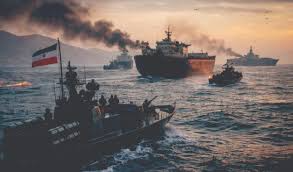
U.S. carriers positioned to enforce sanctions, Iran vowing asymmetric responses with speedboats and missiles. Oil tankers idled, prices spiking 8 percent. Rhetoric heated: U.S. CENTCOM posted carrier strike group visuals captioned “Ready to protect trade lanes.” Iran’s IRGC replied with drone swarm clips, hashtagged #PersianGulfStrong.
Civilians watched waves crash against hulls via live streams, hearts pounding with ancestral fears of blockades past.
Social Media Salvos: Memes Meet Missives
State actors amplified psyops. U.S. Ambassador to UN Linda Thomas-Greenfield tweeted “Iran’s games endanger global energy,” paired with tanker convoy graphics garnering 2 million views. Iranian FM Hossein Amirabdollahian countered with a video of Revolutionary Guards chanting, overlaid “America blinks first,” liked 5 million times.
Memes proliferated: Photoshopped Uncle Sam fleeing camels, Persian cats clawing eagles. Influencers with millions followers dissected, bots boosting reaches.
Notable Digital Exchanges
- IRGC meme mocking U.S. carrier as “floating Walmart.”
- Pentagon infographic on Hormuz trade stakes.
- Viral TikTok of Iranian fisher outmaneuvering drone.
Platforms as Psychological Weapons
X algorithms favored outrage, shadowbans suspected on critics. TikTok’s youth skew viralized youth anthems supporting sides. Studies from RAND cyber warfare research note 30 percent sentiment shifts from coordinated campaigns. Deepfakes emerged: fabricated Biden threats debunked swiftly.
Experts liken to Ukraine info wars, where posts preceded missiles.
Human Toll: Families in the Crosshairs
Tehran moms scrolled feeds silencing kids’ questions on blackouts. Gulf expats booked flights out, suitcases packed amid farewells. Sailors on decks eyed horizons, families tracking via apps. We ache for normalcy shattered by likes and shares.
Strategic Aims Behind the Feeds
U.S. seeks ally rallying, deterrence signaling. Iran boosts home morale, proxies mobilization. Both court global south neutrals via Persian, Arabic narratives. Misinfo risks: false blockade breach claims spiked panic buys.
Countering the Chaos: Tools for Truth
Verify sources: official handles, fact-checkers like Snopes. Cross-platform checks, pause shares. Platforms ramp labels, AI flags fakes improving 40 percent.
Global Echoes and Broader Implications
Europe fretted energy hikes, Asia rerouted ships. UN urged de-escalation talks. Precedents warn: social sparks ignited Arab Spring, Myanmar strife.
Paths to De-escalation
Quiet diplomacy via Oman backchannels shows promise. Influencer ceasefires could cool tempers. We advocate restraint, memes yielding to mediation.
Reflecting on Digital Diplomacy
This crisis reveals screens as new frontlines, words weapons. Citizens, wield wisely; leaders, temper posts. Hope lies in offline bridges, turning viral venom to viral peace.