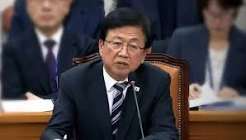
South Korea’s education minister has resigned following widespread criticism of the government’s last minute efforts to prevent artificial intelligence assisted cheating during the country’s highly competitive university entrance examination. Choi Kyo jin stepped down on November 22, 2026, after President Lee Jae myung accepted his resignation, bringing political consequences to a controversy that disrupted preparations for thousands of students, teachers, and examination supervisors. The measures included restricting public Wi Fi around examination centers, inspecting clothing and glasses for hidden cameras, changing permitted stationery, and introducing emergency phone alerts to identify candidates who had not surrendered their devices. Although the government intended to protect examination fairness, the rushed implementation raised serious questions about preparation, communication, and the growing challenge of regulating artificial intelligence in education.
Why South Korea’s Education Minister Stepped Down
Choi Kyo jin offered his resignation after acknowledging that the education authorities had failed to prepare adequately for emerging forms of AI assisted examination fraud. His departure followed mounting criticism over repeated changes to examination procedures shortly before the 2027 College Scholastic Ability Test, commonly known as the CSAT or Suneung.
The minister accepted responsibility for the confusion experienced by students and the wider public. In his resignation statement, he acknowledged that several changes had been introduced shortly before the examination, creating unnecessary inconvenience for candidates and others involved in the process.
President Lee Jae myung accepted the resignation on November 22, approximately an hour after Choi announced his decision. The presidential office confirmed that the process of appointing a successor would follow established procedures.
The controversy has become a significant political issue because the Suneung is far more than an ordinary school examination. Its results can influence university admissions, future employment opportunities, and social mobility. For many students, years of preparation lead to a single examination day, making any unexpected disruption particularly stressful.
How AI Cheating Fears Triggered Emergency Examination Rules
The immediate trigger for the government’s response was a cheating scandal involving South Korea’s certified tax accountant examination. On November 15, the top scorer in the examination admitted to using a miniature camera, a smartphone, and generative artificial intelligence to cheat during the assessment.
The revelation raised concerns that conventional examination security procedures were no longer sufficient to prevent sophisticated technology assisted misconduct. Devices that resemble ordinary glasses, clothing accessories, or stationery can potentially conceal cameras and communication equipment, allowing candidates to obtain outside assistance without openly using a smartphone.
With the national university entrance examination scheduled for November 19, authorities faced intense pressure to respond quickly. The government expanded its security plans, but the limited preparation period made implementation difficult.
The new safeguards included several unusual measures:
- Restricting public Wi Fi access around examination locations to reduce opportunities for unauthorized wireless communication.
- Inspecting candidates’ glasses and clothing for miniature cameras or concealed electronic equipment.
- Placing stickers over clothing buttons that could potentially contain hidden cameras.
- Restricting the stationery candidates could bring into examination rooms, with additional supplies provided by examination centers.
- Deploying additional examination supervisors and introducing emergency mobile phone alerts to identify devices that had not been surrendered.
These measures reflected the government’s determination to protect the credibility of national examinations. However, their timing became a major source of frustration. Students needed clear instructions about what they could bring, teachers had to prepare examination rooms, and supervisors needed to understand unfamiliar security procedures within a matter of days.
Last Minute Changes Increased Pressure on Students and Teachers
For students preparing for the Suneung, the final days before the examination are normally reserved for reviewing material, organizing supplies, and managing anxiety. Instead, many candidates faced uncertainty about examination rules and whether previously permitted items would remain acceptable.
On November 18, just one day before the examination, the education ministry introduced further changes to stationery requirements. Candidates were permitted to bring their own black pencils, while items such as erasers and correction tape that had previously been allowed were required to remain outside examination rooms.
The changes were intended to prevent electronic equipment from being concealed inside ordinary examination materials. However, students and teachers questioned why such requirements had not been established earlier.
Teachers’ organizations also raised concerns about the preparation of examination supervisors. Some additional invigilators received training only shortly before the examination, creating doubts about whether they had enough time to understand the new procedures and identify sophisticated cheating equipment.
For educators, the situation highlighted a difficult responsibility. They had to maintain examination discipline while ensuring that legitimate candidates were not treated unfairly or subjected to unnecessary anxiety. A security system that is introduced without adequate preparation can create additional pressure for the very people responsible for implementing it.
Emergency Phone Alerts and the Examination Security Results
One of the most unusual elements of the government’s response involved sending emergency alerts to mobile phones nationwide during the examination. Authorities used three separate alerts to help examination supervisors identify candidates who might have failed to surrender their smartphones.
The education ministry subsequently reported 111 suspected violations involving electronic devices during the November 19 examination. Of these cases, 54 were identified through the nationwide emergency alerts, while other cases were detected through additional monitoring procedures.
The ministry also reported five instances in which candidates were observed actually using smart devices during the examination. These figures require careful interpretation: a suspected breach of device regulations does not automatically establish that a candidate used artificial intelligence to obtain answers.
The distinction matters because examination authorities must investigate individual cases before determining whether misconduct occurred. Possessing a prohibited device, attempting to communicate, and using generative AI to answer questions are different forms of conduct and should not be treated as identical allegations.
The government therefore faces the challenge of protecting examination integrity while ensuring that disciplinary decisions are supported by evidence and that students have a fair opportunity to respond to allegations.
Why the Suneung Matters So Much in South Korea
The College Scholastic Ability Test occupies an unusually important position in South Korean society. The annual examination is a major gateway to university education, particularly admission to prestigious institutions that can influence professional opportunities and long term career prospects.
The 2027 academic year examination took place on November 19, 2026. According to figures reported by South Korean authorities, 551,864 candidates registered, while 497,526 ultimately sat the examination.
The test lasts approximately nine hours and covers several academic subjects. Preparation often begins years in advance, with students attending regular school classes, private academies, and additional tutoring sessions to improve their results.
Parents also make considerable financial and personal sacrifices to support their children’s education. Consequently, examination fairness is not simply an administrative concern. It is closely connected to public confidence in the education system and the belief that students should receive equal opportunities based on their knowledge and abilities.
When examination rules change suddenly, the consequences can extend beyond inconvenience. Students may worry about accidentally violating a requirement, teachers may struggle to communicate accurate instructions, and parents may question whether their children are receiving a fair assessment.
Choi Kyo jin’s Remarks Added to the Growing Controversy
The education minister was already facing criticism before the examination took place. During a parliamentary hearing on November 16, lawmakers questioned whether authorities could reliably detect all forms of AI assisted cheating.
Choi’s response attracted considerable public attention after he expressed uncertainty about his ability to identify every possible method of technological cheating, partly referring to his age. His remarks were criticized as inadequate for a minister responsible for managing an increasingly complicated examination security challenge.
The comments also highlighted a broader problem facing education authorities. Artificial intelligence technology is developing rapidly, and examination administrators must understand how emerging devices and software can be used to circumvent traditional safeguards.
However, the responsibility cannot rest on individual supervisors alone. Effective examination security requires advance planning, technical expertise, consistent procedures, and coordination among government departments, schools, and technology specialists.
President Lee Orders a Review of National Examination Procedures
Following the controversy, President Lee Jae myung called for a broader review of examination management and the laws governing national assessments. His response suggests that the government intends to examine weaknesses beyond the immediate CSAT incident.
The review is expected to address how authorities can identify new forms of technology assisted cheating, improve coordination between government agencies, and establish clearer procedures for future examinations.
One central question is how examination security can be strengthened without introducing disruptive measures at the last moment. Future safeguards will need to be communicated well in advance, with sufficient training for teachers and examination supervisors.
The government must also consider how to investigate suspected violations fairly. Stronger technology controls may help identify prohibited devices, but reliable evidence and transparent disciplinary procedures remain essential to maintaining public confidence.
The controversy could also encourage wider discussions about updating examination laws and developing consistent national standards for technology use during academic assessments.
What the Crisis Reveals About Artificial Intelligence in Education
South Korea’s examination controversy illustrates a challenge that education systems around the world are beginning to confront. Generative AI tools can produce written answers, solve complex problems, analyze information, and assist users across a wide range of academic subjects.
These capabilities create valuable opportunities for learning, but they also introduce new concerns about academic honesty. Traditional examination systems were largely designed around the assumption that candidates would use their own knowledge and permitted materials to complete assessments.
Hidden cameras, connected devices, and AI powered assistance challenge that assumption by making unauthorized outside support increasingly difficult to detect.
Schools and universities will therefore need approaches that combine appropriate technology restrictions with better assessment design. This may include more secure examination environments, clearer device policies, improved supervisor training, and assessment methods that evaluate reasoning and understanding rather than relying exclusively on memorized answers.
For students, clear rules are equally important. They should know which devices and materials are permitted, how examinations are monitored, and what procedures apply if an unexpected technical or administrative problem occurs.
What Happens Next for South Korea’s Education System?
Choi Kyo jin’s resignation closes one chapter of the controversy, but the underlying challenges remain. The government must now address the immediate examination cases, review its security procedures, and establish a more reliable framework for future national assessments.
Students and families will also be watching the handling of examination results and disciplinary appeals. The education ministry has indicated that misconduct cases and related appeals will be addressed before the scheduled results announcement on December 11.
The next education minister will inherit a difficult responsibility: rebuilding confidence in examination administration while preparing the education system for a future in which artificial intelligence will remain widely accessible.
South Korea’s experience offers a valuable lesson for other countries. Protecting academic integrity is essential, but security policies must be carefully designed, communicated, and tested before they are introduced. Students should not have to absorb the consequences of inadequate government preparation on one of the most consequential days of their academic lives.
Ultimately, the credibility of an examination depends on more than preventing cheating. It also depends on ensuring that every candidate understands the rules, receives equal treatment, and can demonstrate their abilities under fair conditions. South Korea’s response to this controversy will help determine whether its education system can meet the challenges of artificial intelligence without compromising the trust on which meaningful assessment depends.
Official Information and Further Reading
For updates on South Korea’s education policies, examination regulations, and national academic initiatives, readers can consult the South Korean Ministry of Education.
Additional reporting and official developments concerning the resignation and examination controversy are available through Yonhap News Agency, one of South Korea’s major English language news organizations.