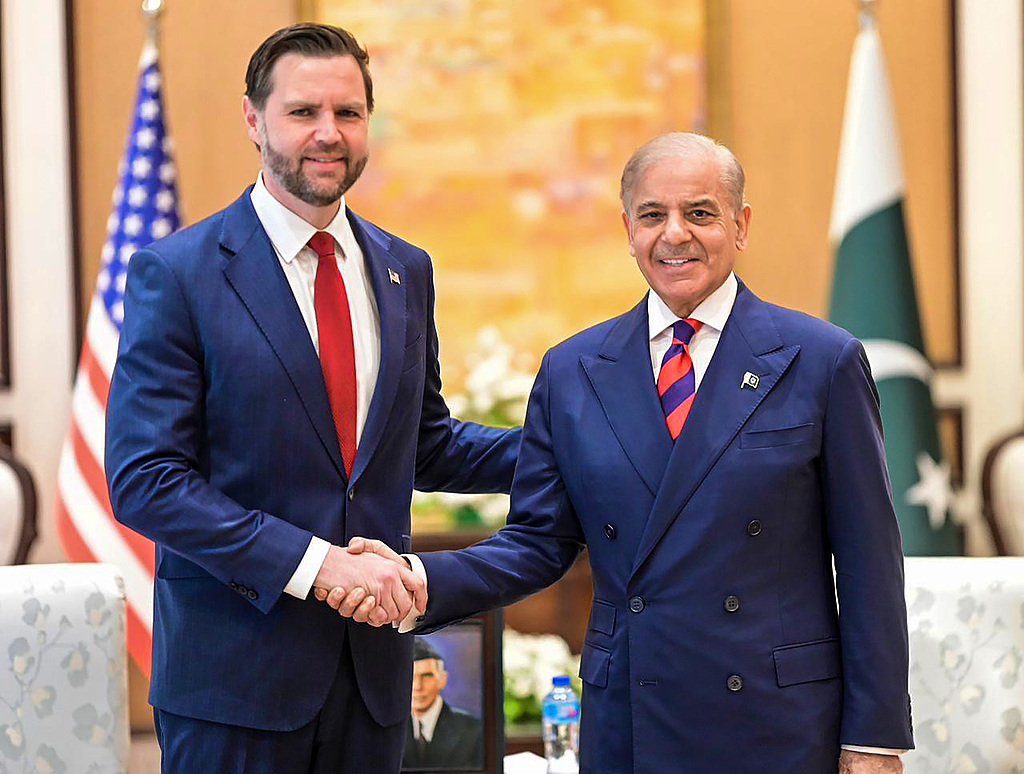
April 19, 2026 brings renewed uncertainty to one of the world’s most critical maritime corridors as mediated talks between the United States and Iran in Islamabad conclude without agreement. We are left with a situation that carries serious implications for global trade, energy supply chains, and the legal framework governing safe passage through the Strait of Hormuz.
A Critical Meeting with Global Stakes
The discussions in Islamabad were closely watched by governments, shipping companies, and legal experts across the world. The goal was clear: to establish a framework that would ensure safe and uninterrupted passage for commercial vessels through the Strait of Hormuz, a narrow waterway that handles a significant share of global oil shipments.
We recognize that this region has long been a point of geopolitical tension. The failure to reach consensus in these talks does not merely reflect diplomatic disagreement. It signals a potential escalation in uncertainty that could ripple through international markets.
Why the Strait of Hormuz Matters So Deeply
The Strait of Hormuz is not just another shipping route. It is a lifeline for global energy flows, connecting major oil producing regions to international markets. Any disruption in this passage has immediate consequences for fuel prices, supply chains, and economic stability.
We see how even the perception of risk in this area can influence global markets. Shipping companies may reroute vessels, insurers may raise premiums, and governments may reassess strategic reserves. The absence of a clear agreement only intensifies these concerns.
Key Issues That Divided the Talks
While specific details of the negotiations remain limited, several core issues are understood to have shaped the outcome. These include differing interpretations of maritime rights, security guarantees, and the role of military presence in the region.
We understand that both sides approached the talks with firm positions. For the United States, ensuring freedom of navigation remains a central principle. For Iran, concerns about sovereignty and regional influence are equally significant. Bridging these perspectives proved challenging.
Legal Implications for Maritime Law
The breakdown in negotiations raises important questions about international maritime law. Without a mutually agreed framework, shipping companies must navigate a complex legal environment where risks are not fully defined.
We see how this uncertainty can complicate compliance with international regulations. Questions around liability, jurisdiction, and enforcement become more difficult to resolve in the absence of clear agreements.
For readers seeking a deeper understanding of the legal principles involved, the United Nations Convention on the Law of the Sea outlines the rules governing navigation and maritime rights.
Impact on Global Shipping and Trade
The immediate impact of the failed talks is likely to be felt in the shipping industry. Companies operating in the region may adopt more cautious strategies, including increased security measures and adjusted routes.
We hear from industry professionals who describe a heightened sense of vigilance. The cost of operating in the region could rise as insurers factor in additional risk. These costs may ultimately be passed on to consumers through higher prices for goods and energy.
Energy Markets React to Uncertainty
Energy markets are particularly sensitive to developments in the Strait of Hormuz. Oil flows through this corridor are vital to global supply, and any disruption can lead to price volatility.
We observe that even without immediate physical disruptions, the lack of agreement can influence market sentiment. Traders and analysts closely monitor geopolitical developments, and uncertainty often translates into cautious pricing strategies.
Insights into global energy dynamics can be explored through the International Energy Agency oil market analysis, which provides context on supply and demand trends.
The Human Element Behind Diplomatic Stalemates
Behind the formal statements and policy positions lie individuals working to navigate complex geopolitical realities. Diplomats, negotiators, and mediators carry the weight of expectations from their respective nations.
We reflect on the atmosphere in Islamabad during these talks. The tension, the cautious optimism, and ultimately the disappointment when no agreement was reached. These moments remind us that diplomacy is as much about human interaction as it is about policy.
Regional Implications and Security Concerns
The failure to reach a deal also has implications for regional security. Neighboring countries and stakeholders in the Gulf region must now consider how to manage potential risks.
We see that increased military presence or heightened alert levels could become part of the response. While these measures aim to ensure safety, they also contribute to an environment of heightened tension that can further complicate diplomatic efforts.
What Comes Next for Negotiations
Although the talks ended without a breakthrough, the door to future negotiations remains open. Diplomatic processes often require multiple rounds before meaningful progress is achieved.
We believe that continued dialogue will be essential. Both sides have strong incentives to avoid escalation and maintain stability in a region that is vital to global commerce. Mediators may seek new approaches or confidence building measures to bring parties closer together.
The Broader Economic Impact
The implications of these developments extend beyond shipping and energy. Global trade relies on predictable and secure routes. Any disruption or uncertainty can affect supply chains, manufacturing, and consumer markets.
We understand that businesses across sectors are watching closely. From logistics companies to retailers, the stability of maritime routes plays a crucial role in planning and operations.
A Moment of Uncertainty with Global Consequences
The outcome of the Islamabad talks highlights the fragile balance that underpins global trade and security. It serves as a reminder of how interconnected the world has become, where events in one region can influence economies and communities far beyond.
We are left with a sense of cautious concern. The absence of agreement does not necessarily mean immediate disruption, but it does introduce a level of uncertainty that cannot be ignored. The coming weeks will be critical in determining how stakeholders respond and whether new efforts can bring clarity to this complex situation.
The Need for Continued Dialogue
Ultimately, the path forward lies in sustained engagement and mutual understanding. Maritime security and legal clarity are shared interests that transcend national boundaries. Achieving these goals requires patience, compromise, and a commitment to stability.
We see this moment as both a challenge and an opportunity. While the talks in Islamabad did not yield immediate results, they have underscored the importance of continued dialogue. The stakes are too high for inaction, and the global community will be watching closely as the next steps unfold.