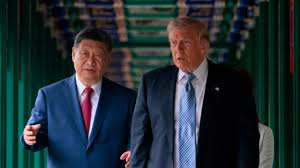
I watched the closing moments of a two day summit in Beijing on May 16, 2026 with a sense of constrained optimism. President Donald Trump and President Xi Jinping left the table with headline agreements that sent shockwaves through global aviation markets and diplomatic circles. China pledged to buy more than 200 Boeing aircraft and up to 450 General Electric jet engines, a deal that mixes economic opportunity with political symbolism and will reverberate across supply chains, regulators, and the skies for years to come.
What was agreed at the summit
The public outcome was straightforward and large in scale. Chinese state and private carriers committed to purchasing over 200 Boeing commercial airplanes while GE Aviation secured commitments for as many as 450 jet engines to power those and other aircraft. Officials described the agreements as a mix of firm orders, memoranda of understanding, and conditional commitments tied to financing, certification, and export approvals.
Both sides framed the accords as pragmatic steps to stabilize trade relations and restore commercial predictability after years of tariffs, technology restrictions, and political tension. For U.S. manufacturers and suppliers the announcements represent both a near term revenue boost and a strategic foothold in the single largest aviation market on the planet.
Why the numbers matter
More than 200 new aircraft is not a casual headline figure. Those sales translate into thousands of jobs across the U.S. aerospace supply chain from final assembly to avionics makers and maintenance firms. The 450 engines figure likewise implies multiyear service and spare parts contracts that generate recurring revenue. Long term service agreements and maintenance, repair, and overhaul activity will anchor ongoing business ties beyond the initial deliveries.
Beyond factory floors, the deals affect financial institutions, leasing companies, and regional airports that will need to absorb capacity and rework fleet plans. For Boeing and GE Aviation this is a rare, large scale commercial win that comes at a time when both companies are navigating regulatory scrutiny and shifting market dynamics.
Political and diplomatic context
These commercial commitments were never only commercial. They arrived amid delicate U.S China relations where trade, technology, human rights, and security concerns often collide. For President Trump, the purchases offer tangible proof of progress he can present to domestic audiences as protecting American manufacturing and jobs. For President Xi, securing Western aircraft and engines helps expand China s civilian aviation network while signaling a willingness to engage economically.
Diplomats on both sides described private conversations that balanced economic give and take with pointed reminders of competing strategic priorities. The public messaging emphasized cooperation and mutual benefit, while behind closed doors officials discussed export controls, certification timelines, and the role of Chinese suppliers in joint maintenance programs.
Regulatory steps that remain
Large purchase announcements require layers of regulatory review before they become final. U.S. export approvals for advanced engines, Federal Aviation Administration certifications for specific aircraft configurations, and financing negotiations with Chinese banks are all hurdles that could delay or reshape final deliveries. Similarly Chinese approvals for foreign aircraft purchases and localization terms will affect the ultimate scope of the agreements.
Industry analysts cautioned that memoranda of understanding are different from signed, binding purchase agreements. Historically, such letters of intent can lead to scaled back orders or offset by counter offers. Still the political momentum created by the summit makes walking away from substantial portions of the commitments less likely.
Economic impact for the U.S. and China
The immediate economic impact in the U.S. will show up in aerospace manufacturing hubs and in export statistics. States with large Boeing operations and GE facilities should see near term demand for skilled labor and supplier production. The engine deals in particular create long run aftermarket revenue for parts, inspections, and repairs that keep facilities busy for decades.
For Chinese carriers and airports the influx of modern airframes and engines accelerates fleet renewal, opens new international routes, and can reduce operating costs through improved fuel efficiency. That outcome benefits Chinese consumers and shifts competitive dynamics in the Asia Pacific aviation market.
Who wins and who faces challenges
- Winners include Boeing, GE Aviation, U.S. suppliers, certain labor markets, and Chinese airlines seeking modern fleets.
- Potential losers or those facing disruption include competing aircraft manufacturers and engine makers, companies excluded by export controls, and stakeholders concerned about strategic dependence on foreign suppliers.
Industry reaction and market implications
Wall Street responded quickly with shares of major aerospace firms moving on the news. Analysts updated revenue forecasts and service revenue models. Airlines and leasing companies watching global capacity adjusted medium term fleet plans. Supply chain managers emphasized that ramping up production to meet large orders will test existing constraints in materials, semiconductors, and skilled labor.
Separate from stock moves, aviation regulators in multiple countries will track the timeline for certifications and service agreements. Independent maintenance providers and regional carriers may find new business as these aircraft arrive and require local servicing.
Human dimensions and the scene in Beijing
I stood mentally in the rooms where the leaders negotiated and imagined the sensory texture of the summit. The hum of translators, the rustle of documents, the controlled smiles at banquet tables, and the small private gestures that convey trust or impatience. Those human moments matter because they shape whether memoranda convert into contracts and whether shared statements lead to practical cooperation on infrastructure, training, and safety.
For crews and engineers who will service these planes, the deals mean new training programs, cross border exchanges, and potentially the transfer of technical know how within carefully negotiated boundaries. For passengers it means future route options, newer cabins, and potentially lower fares from modernized fleets.
What to watch next
- Export and certification milestones from the U.S Department of Commerce and the Federal Aviation Administration.
- Public filings from Boeing and GE that detail firm order numbers, financing arrangements, and delivery schedules.
- Chinese regulatory statements on procurement approvals and any industrial participation requirements.
- Responses from European and other Asian competitors that may adjust pricing or financing to retain market share.
Broader implications for U.S China economic relations
The summit s aviation outcomes are a tangible example of how high level diplomacy can translate into concrete commercial activity. They also highlight the tension between economic interdependence and strategic competition. If the deals proceed smoothly they may create a foundation for more predictable engagement in other sectors. If they falter they will underscore the fragility of agreements negotiated under political pressure.
For policymakers the task ahead is to convert headline numbers into durable, transparent contracts that respect export controls, maintain aviation safety, and support workers on both sides. For industry leaders the deadline is operationalizing deliveries without compromising quality or safety standards.
Further reading
For context on aviation certification and export controls consult the Federal Aviation Administration s site and the U.S Department of Commerce Bureau of Industry and Security for guidance on export licensing and compliance Federal Aviation Administration Bureau of Industry and Security.
As the dust settles from two days of high stakes diplomacy, the true measure of success will not be the headlines, but whether signed documents, regulatory approvals, and supply chains align to deliver new aircraft to Chinese skies on schedule, safely and transparently. I will be watching the follow through closely to see whether these commitments become an engine for sustained cooperation or a momentary reprieve in a broader contest for economic influence.