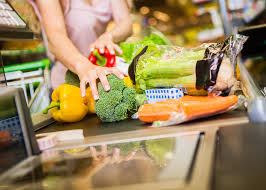
Fresh produce gleams brighter in corner stores nationwide following the USDA’s May 7, 2026, mandate requiring all SNAP authorized retailers to offer a broader array of nutritious foods. This rule targets the shadows of food deserts, ensuring benefits buy apples, greens, and proteins, not just processed snacks. We taste the crisp snap of change, envisioning families at tables laden with vibrant meals, health blooming from policy roots.
The Mandate’s Core Requirements
Under new rules, retailers must stock at least 20% of shelf space with fresh fruits, vegetables, dairy, proteins, and whole grains. Small stores get phased compliance over 18 months, with grants for coolers and suppliers. Violations risk SNAP delisting after warnings.
Secretary Tom Vilsack called it “a lifeline against obesity and diabetes epidemics.” Over 40 million SNAP users stand to gain, particularly in urban and rural gaps. We feel the urgency, picturing kids trading chips for carrots, energy surging through play.
Stocking Mandates at a Glance
- Fruits and veggies: 10% minimum variety.
- Proteins like eggs, nuts, lean meats: 5% allocation.
- Whole grains and dairy: Additional 5%.
- Flexibility for local sourcing, cultural preferences.
Combating the National Health Crisis
America grapples with diet driven woes: 42% obesity rates, diabetes claiming lives yearly. SNAP spending skews 60% processed, fueling cycles. Studies link fresh access to 15% better outcomes in low income areas.
This builds on pilots in 10 states, where produce purchases rose 30%. Imagine a mom’s relief choosing salmon over soda, her family’s vitality restored. We report with empathy for communities long underserved.
| Food Category | Required % | Example Items |
|---|---|---|
| Fruits/Veggies | 10% | Apples, spinach, carrots |
| Proteins | 5% | Eggs, beans, chicken |
| Grains/Dairy | 5% | Oats, yogurt, milk |
| Total Nutritious | 20% | Diverse staples |
Retailer Impacts and Support
Corner bodegas and rural marts face hurdles but gain tools: $500 million in grants for refrigeration, training via USDA hubs. Partnerships with farms cut costs, apps track compliance.
Owners like Maria in Chicago welcome it: “Stocking kale now brings repeat customers.” Challenges include spoilage, supply chains; solutions emphasize local growers. Follow implementation via USDA SNAP resources for guidelines.
Stories from the Ground
In Detroit’s east side, single dad Jamal stocks his cart with berries, kids’ smiles widening at breakfast. Rural Kentucky sees elders accessing greens, easing joint pains. Data echoes: pilot BMI drops averaged 2 points.
These moments humanize mandates, scents of simmering stews wafting from homes renewed.
Critics and Broader Debates
Some retailers decry burdens, food waste fears. Advocates counter with evidence: sales offset costs, healthier clients spend more. Policymakers eye expansions like incentives for organic.
Farmers benefit, urban ag blooming. We encourage dialogue, balancing nutrition with commerce.
Implementation Roadmap
Rollout starts July 1: audits quarterly, apps for scanning. SNAP users download locators for compliant stores. Nutrition ed via apps teaches recipes.
Experts project $10 billion health savings long term. Access recipes through MyPlate for meal ideas boosting benefits.
A Healthier Horizon
This policy seeds wellness gardens in food swamps. Families gain agency, bodies thanking policy with vigor. As carts fill with color, America steps toward nourished futures, one real bite at a time.