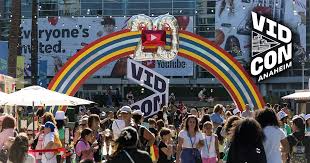
As VidCon opened its doors on June 10, 2026 the conference floor hummed with an unmistakable shift. Panels that once celebrated virality and platform tactics now focused on building relationships that survive algorithm changes. Creators speakers and platform executives converged on a single theme: how to own an audience beyond any single app by cultivating private channels and direct lines to fans. The conversation reflected a rising anxiety among creators about platform dependency and a pragmatic turn toward tools that give them control over who they reach and how they monetize their work.
Why audience ownership surfaced as the core theme
Anxiety over sudden algorithmic changes demonetization and unpredictable reach has pushed creators to rethink strategy. At VidCon those anxieties found language in audience ownership which refers to having durable, off platform access to fans through email lists private communities and subscription services. The idea is simple and compelling. When a creator controls a direct audience channel they no longer wake up to vanished views or opaque policy shifts that can erase months of income overnight. In sessions and hallway conversations this objective felt urgent and achievable rather than theoretical.
Speakers stressed that ownership is both technical and relational. Technical means setting up systems for first party data and reliable distribution. Relational means deepening trust so followers choose to move with a creator into closed communities. Both dimensions received equal attention at workshops where creators learned practical steps to migrate fans from public social feeds into private spaces while protecting privacy and maintaining community etiquette.
Tools and tactics creators are adopting
VidCon showcased a spectrum of solutions from established platforms like email marketing and messaging apps to newer private network tools built specifically for creators. Many creators described using a layered approach that combines public discovery on major platforms with private community hubs for retention and monetization.
- Email remains the backbone of direct audience contact because it is platform agnostic and widely accessible. Panelists recommended clear sign up incentives consistent cadence and segmented lists to tailor offers.
- Group chat and community platforms such as Discord are now central for real time engagement structured events and content testing. Creators use channels for early access polls and moderated Q and A sessions that build loyalty.
- Subscription newsletters and paid communities on creator focused platforms provide recurring revenue that is less exposed to ad market swings. Many speakers advised combining free membership tiers with paid premium tiers to lower barriers to entry.
Sensory moments and human stories from the floor
In a packed workshop a creator described the tactile relief of seeing a small community light up after an algorithm change cut public reach. She recalled the quiet of a Discord voice channel at midnight where a handful of dedicated followers traded recipes and mental health check ins. That scene illustrated why so many creators spoke emotionally about ownership. It is a way to protect relationships that feel intimate even when audiences count in the hundreds of thousands or millions.
Another storyteller, a veteran YouTube educator, walked attendees through the smell of stale coffee in a tiny editing room and the exhilaration of a notification that an email campaign generated a steady income stream the week ads did not. Those grounded anecdotes turned technical advice into lived experience and made the stakes clear for creators of all sizes.
Platform responses and business models
Platform representatives attended panels to explain new creator toolkits including improved subscriber management APIs creators can use to sync membership data with email providers and CRM tools. Executives framed these features as ways to support creator independence while keeping platforms central to discovery. The tension was visible. Platforms want creators to remain active on their services because discovery largely happens there but they are also acknowledging creators need stable revenue outside ad impressions.
Business models discussed at VidCon included hybrid monetization where creators sell paid memberships host ticketed live events and sell digital goods while keeping regular public content free to attract new fans. Legal and tax advisors on panels urged creators to formalize business structures and keep clear records for subscription revenue that increasingly represents the bulk of creator income for many midsize creators.
Privacy and data ethics
Ownership implies holding fan data and with that responsibility. VidCon featured a strong ethics thread with sessions dedicated to privacy consent moderation and transparent monetization. Experts urged creators to adopt minimal data collection practices ask for explicit consent for marketing and to use secure payment processors to protect customer information. Community moderators and small creators raised practical concerns about balancing access with safety especially in invite only spaces where harassment and privacy breaches can be devastating.
Legal clinics provided hands on guidance about terms of service for private communities and how to avoid inadvertently creating regulated financial products when offering subscription bundles with guarantees or pooled services.
What creators should do next
Speakers offered a pragmatic checklist for creators seeking to own an audience rather than chase ephemeral reach. They recommended building an email list as the first step establishing a small scalable private community for superfans creating a simple membership offering and using analytics to track conversion from public content to owned channels. Equally important was the advice to practice moderation policies early and recruit trusted community leaders so engagement remains healthy as scale grows.
Creators were encouraged to pilot strategies with small cohorts to test pricing content formats and moderation rules. Those pilots serve as low risk laboratories where community norms form and technical kinks get hammered out before rolling out to the full audience.
Implications for fans and the creator economy
For fans the shift toward ownership can mean more meaningful interactions a higher quality of conversation and sometimes a price for closer access. For the creator economy the trend toward private relationships and recurring revenue suggests greater financial stability for individual creators but also a new set of gatekeeping questions. Who can pay for access Who moderates conversations and how cultural influence is distributed across public and private spaces are open issues that the community will wrestle with going forward.
Experts at VidCon noted that tools are only part of the solution. The long term health of creator communities rests on thoughtful governance clear communication and equitable practices that allow diverse creators to sustain their work.
Further reading and resources
Writers and creators seeking practical guides on community building can consult resources from creators economy analysts and developer documentation from major platforms for API guidance. For legal and financial guidance creators can find primer articles on the Electronic Frontier Foundation site and tax guidance from national authorities for creator revenue reporting. These resources help creators build resilient models that respect privacy and comply with regulations.
VidCon 2026 made one argument persistent across stages and networking lounges: creators who cultivate direct, trusted connections with fans gain not only financial resilience but the freedom to shape their own creative futures. The work will require discipline care and investment but for many creators the ability to steward a loyal community feels like a return to why they began making work in the first place.
Would you like a short toolkit with email templates community rules and a simple migration plan to move followers into an owned channel