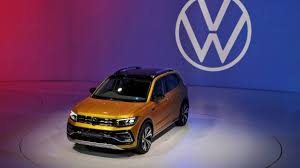
Volkswagen is confronting one of the most consequential moments in its modern history. On June 27, 2026, CEO Oliver Blume signaled a sweeping restructuring plan that could eliminate up to 100000 jobs worldwide while also reducing corporate investment by 15 percent, a stark response to the immense cost of shifting from combustion engines to electric vehicles.
A corporate giant under pressure
For decades, Volkswagen has stood as a symbol of industrial strength, engineering scale, and German manufacturing power. Now the company is under pressure from every direction: slower demand in some markets, intense competition from electric vehicle rivals, rising development costs, and the burden of maintaining a vast global workforce while funding a future that is still expensive and uncertain. The proposed cuts suggest that executives believe the company can no longer carry the same cost structure it once did.
The scale of the plan is what makes it historic. A workforce reduction of this size would reach far beyond corporate spreadsheets and investor calls. It would affect factory floors, supplier networks, local economies, and families who have built their lives around one of the world’s most recognized automakers. In practical terms, the announcement points to a company trying to shrink its present so it can survive its future.
Why the restructuring matters
Volkswagen is not simply trimming expenses. It is trying to reengineer itself for an industry in flux. The transition to electric mobility demands billions in battery technology, software systems, charging infrastructure, and new production methods. At the same time, the company must contend with pressure to remain profitable while legacy vehicle sales face long term decline in some regions. The investment cut of 15 percent signals that management wants tighter control over capital as it shifts resources toward strategic priorities.
From a business perspective, the move reflects a familiar but painful pattern. Large industrial companies often discover that the cost of transformation is heavier than expected. They must keep current operations efficient while financing the next generation of products. When both tasks collide, jobs are usually the first casualty. That is the human reality behind corporate restructuring, and it is why the Volkswagen announcement reverberates well beyond the auto sector.
The human cost behind the numbers
Job cuts on this scale are never abstract. They mean uncertainty for workers in assembly plants, offices, logistics centers, research divisions, and supplier companies tied to Volkswagen’s ecosystem. They mean households rethinking mortgages, education expenses, and retirement plans. They mean regional labor markets absorbing a shock that could spread into retail, housing, and transport services.
There is also a deeper emotional toll. For many employees, Volkswagen is not just an employer but part of a professional identity passed across generations. When a company with this kind of heritage announces mass cuts, it touches on pride, stability, and trust. The public often sees a balance sheet. Workers see the loss of a routine, a community, and a sense of belonging.
The electric vehicle challenge
The shift to electric vehicles has become one of the defining industrial transitions of our time, but it is proving to be far more expensive and uneven than many companies first expected. Battery costs remain significant, software development is complex, and consumer adoption varies by country, price point, and charging access. Traditional automakers like Volkswagen must compete against both established rivals and newer firms built around electric mobility from the start.
That competition has forced a hard question: how much can a legacy automaker spend to reinvent itself before the reinvention harms the business it is trying to save? Volkswagen appears to be answering that question by prioritizing selective investment and a leaner global footprint. Whether that strategy proves wise will depend on how quickly the company can translate spending cuts into stronger margins and more competitive electric products.
What investors will watch next
Markets tend to reward cost discipline, especially when profits are under pressure. Investors will likely focus on whether the restructuring can improve cash flow, reduce long term overhead, and reassure shareholders that Volkswagen is serious about operational efficiency. Yet markets also understand that deep cuts can signal stress rather than strength. If the company appears to be retreating rather than repositioning, confidence could weaken.
The next important signal will be execution. Investors will want clarity on which divisions face reductions, how the company plans to protect strategic research, and whether savings will be reinvested into electric platforms, battery partnerships, and software capabilities. A restructuring plan only matters if it creates a more resilient business, not just a smaller one.
Industry wide implications
Volkswagen’s announcement may also send a message to the rest of the automotive world. Many global carmakers are grappling with the same pressures: expensive electrification, volatile demand, and the need to modernize factories built for a different era. If one of the largest names in the industry is considering such a dramatic workforce reduction, others may feel greater urgency to reassess their own cost structures and investment plans.
The ripple effects could be felt in labor negotiations, supplier contracts, and industrial policy debates across Europe and beyond. Governments that support auto manufacturing will likely be watching closely, because decisions made in boardrooms can quickly become political issues when large numbers of jobs are at stake. The Volkswagen case is therefore not only a corporate story. It is a test of how global industry adapts when the economics of transformation become unavoidable.
A turning point for a century old brand
We are watching a company that helped define mass automotive manufacturing now confront the limits of its old model. The tension is plain: Volkswagen must become lighter, faster, and more technologically advanced without losing the scale that made it powerful in the first place. That is an extraordinarily difficult balance to strike, and the proposed cuts suggest leadership believes painful change is preferable to gradual decline.
For readers, the story carries a broader lesson about modern industry. The future is rarely built by adding endlessly to the present. Sometimes it is built by making difficult choices, reducing what no longer works, and accepting short term pain in exchange for survival. Volkswagen’s plan is a reminder that even the most established companies are not immune to the economic force of reinvention.
Whether this restructuring becomes a stabilizing reset or a warning sign of deeper trouble will depend on what follows next. For now, the message from Volkswagen is unmistakable: the company is preparing to cut deeply in order to keep moving forward.