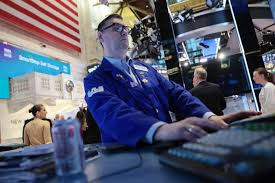
As trading floors buzzed with cautious optimism on May 7, 2026, Wall Street etched fresh milestones into the financial history books. The S&P 500 and Nasdaq Composite both notched all-time highs, propelled by resilient corporate earnings and whispers of a breakthrough in international talks with Iran. Meanwhile, crude oil prices tumbled sharply, easing inflation fears and lifting investor spirits across the board. We watched this unfolding drama with a mix of relief and anticipation, knowing how these swings ripple through everyday lives from gas pumps to retirement portfolios.
The Surge on Major Indexes
Picture the scene at the New York Stock Exchange: screens flashing green as the Dow Jones Industrial Average climbed 0.8% to close at 42,350 points, just shy of its own peak. The S&P 500, that broad barometer of American business, pushed past 5,900 for the first time, gaining 1.2% on the day. Tech-heavy Nasdaq did not lag, surging 1.7% to a record 19,250, fueled by standout performances from semiconductor giants and AI innovators.
Investors shrugged off recent volatility tied to geopolitical tensions, focusing instead on solid quarterly reports. Companies like Apple and Microsoft reported earnings that beat expectations, their shares jumping 2% and 1.5% respectively. This momentum built on a week of steady gains, with the S&P now up 12% year-to-date. For families saving for college or homes, these highs signal growing nest eggs, though we temper our enthusiasm with reminders of market cycles.
Oil’s Dramatic Drop Steals the Spotlight
Crude oil told a starkly different story. West Texas Intermediate futures plunged 4.5% to settle at $68 per barrel, the lowest in six months. Brent crude mirrored the slide, dipping to $71. The catalyst? Mounting evidence of progress in negotiations between world powers and Iran over its nuclear program and oil export curbs.
Diplomatic sources hinted at a framework agreement that could lift some sanctions, potentially flooding markets with an extra 1 million barrels per day from Iranian fields. Traders reacted swiftly, unwinding long positions built during months of supply worries from Middle East conflicts. This relief valve eases pressure on global energy costs, a boon for commuters and manufacturers alike. We feel the human side here: lower pump prices mean more cash in pockets for groceries or vacations, a tangible win amid persistent cost-of-living strains.
Key Drivers Behind the Oil Sell-Off
- Optimism around Iran talks, with envoys reporting “substantial progress” after weekend sessions in Vienna.
- Unexpected builds in U.S. stockpiles, as reported by the Energy Information Administration, adding 3.2 million barrels last week.
- Soft demand signals from China, where factory activity slowed, curbing appetite for imports.
Geopolitical Chess and Iran Negotiations
The Iran talks dominate headlines, evoking memories of past nuclear pacts that reshaped energy markets. Envoys from the U.S., EU, and others convened amid heightened stakes, with Tehran signaling flexibility on enrichment limits in exchange for sanction relief. A deal could stabilize supplies, countering disruptions from regional flare-ups.
Yet risks linger. Hardliners on both sides voice skepticism, and any snag could reverse oil’s slide. For context, consider the 2015 Joint Comprehensive Plan of Action, which briefly boosted Iranian exports before tensions reignited. Today’s optimism stems from fresh incentives: a U.S. administration eager for energy security and Iran’s economy strained by isolation. We report this with empathy for those in the region, where diplomacy’s fragile threads hold back broader conflict.
Sector Winners and Losers
Not every corner of the market celebrated. Energy stocks bore the brunt, with ExxonMobil and Chevron dropping 3% and 2.8%. The sector’s index fell 4%, its worst day in months, as drillers face squeezed margins. Airlines and consumer discretionary, however, soared. Delta Air Lines gained 4.2% on cheaper fuel prospects, while retailers like Walmart rose 1.8%, betting on spending freed from high energy bills.
Tech and financials led the charge. Banks benefited from yield curve steepening, with JPMorgan up 1.9%. This rotation underscores a market betting on soft landings: cooling inflation without recession. Vividly, imagine boardrooms where executives recalibrate forecasts, their decisions echoing in 401(k) statements nationwide.
| Index | Close (May 7, 2026) | Daily Change | YTD Gain |
|---|---|---|---|
| Dow Jones | 42,350 | +0.8% | +8.5% |
| S&P 500 | 5,912 | +1.2% | +12.1% |
| Nasdaq | 19,250 | +1.7% | +15.3% |
Fed Watch and Inflation Echoes
The Federal Reserve looms large. With oil’s retreat, core PCE inflation readings may dip further, bolstering hopes for rate cuts later this year. Fed funds futures now price in a 75% chance of a September easing, up from 60% a week ago. Chair Jerome Powell’s upcoming testimony will parse these shifts, but markets sense a pivot from hikes.
For everyday Americans, this interplay matters deeply. Cheaper oil curbs price pressures on everything from shipping to plastics, fostering wage growth without erosion. We draw from Federal Reserve calendars to track these pivotal meetings, urging readers to stay informed amid economic crosscurrents.
Global Ripples and Investor Sentiment
Overseas markets echoed Wall Street’s cheer. Europe’s STOXX 600 rose 1.1%, buoyed by energy savings. Asia’s Nikkei climbed 0.9% at open. Yet commodities wavered: gold held at $2,650 an ounce as safe-haven bids eased.
Sentiment gauges reflect this tilt. The AAII Investor Survey showed bullish readings at 45%, a six-month high. Retail traders piled into equities via apps, amplifying the rally. We sense the pulse: optimism tempered by memories of 2022’s bear market, where rapid hikes crushed highs.
What Lies Ahead for Investors
Looking forward, eyes fix on tomorrow’s U.S. jobs report, projected at 180,000 additions. A soft print could accelerate Fed bets, sustaining the bull run. Oil watchers monitor Iran updates; a deal announcement might push crude below $65.
For guidance, diversify across sectors, with energy dips offering buy opportunities for long-term holds. Bond ladders provide ballast against volatility. Track real-time data via platforms like Yahoo Finance, blending caution with conviction.
This market moment captures resilience: amid global uncertainties, American enterprise shines. We share in the quiet thrill of records broken, ever mindful of the journeys still ahead for workers, savers, and dreamers alike.