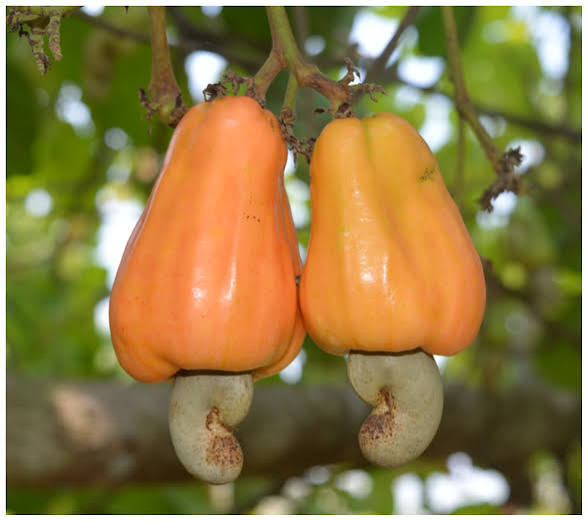
For generations, West African cashew farmers have harvested the nut and watched the fruit attached to it fall into the dust. That pattern is beginning to change. Agricultural researchers, farmer groups and local food businesses are turning cashew apples into beverages, plant based ingredients, animal feed and compost, creating new income opportunities while reducing the amount of nutritious fruit left to rot after harvest.
A Forgotten Fruit Gains Commercial Value
The cashew apple is the swollen, brightly colored fruit that grows beneath the cashew nut. It can be yellow, orange or deep red, with a sweet, astringent taste and a high water content. Although it is rich in vitamin C and other nutrients, the fruit has traditionally received little commercial attention because the nut is easier to store, transport and sell internationally.
That imbalance has created a major waste problem in cashew producing communities. Farmers often have only a short window to collect and process the apples before they soften and spoil. Without nearby processing equipment, reliable transportation or buyers, many growers have had no practical choice but to leave the fruit in the orchard.
Research and enterprise initiatives are now testing ways to keep more of the harvest within local economies. In Ghana, a research backed program has trained young people to make juice, snacks, compost and animal feed from cashew apples. More than 300 people in six communities had received training by 2025, with further interest reported among rural entrepreneurs.
The work reflects a broader shift in how agricultural waste is viewed. Rather than treating the cashew apple as a discarded byproduct, researchers see it as a source of food, income and raw material. Organizations such as the Food and Agriculture Organization have also supported efforts to strengthen cashew value chains and diversify rural livelihoods in West Africa.
From Orchard Fruit to Everyday Foods
Juice is among the most accessible products made from cashew apples. Fresh fruit can be washed, pressed, filtered and blended with other flavors to produce a drink with a distinctive sweetness and gentle sharpness. Processing can also create syrup, vinegar and fermented beverages, allowing businesses to serve different markets and extend the usefulness of the harvest.
Researchers in Ghana have gone further by developing foods that do not resemble a traditional fruit drink. Their work has included sausages, bagels, juice blends and other food products made with cashew apple ingredients. These trials matter because they show that the fruit may have a place not only in village markets but also in bakeries, restaurants, school feeding programs and packaged food manufacturing.
Once the juice is extracted, the remaining pulp still contains useful nutrients and organic matter. It can be dried or processed for animal feed, added to compost or studied as an ingredient in new food products. This approach allows producers to gain value from several parts of the fruit instead of creating a new waste stream during processing.
Why processing close to farms matters
Cashew apples are difficult to move over long distances in their fresh form. They bruise easily and begin to deteriorate quickly in hot conditions. Small processing centers near farming communities can reduce that pressure by receiving the fruit soon after harvest.
- Farmers can sell more of the crop instead of relying only on nut income.
- Local processors can create seasonal and permanent jobs.
- Communities can retain more economic value within producing regions.
- Food manufacturers can obtain locally sourced fruit ingredients.
- Organic residues can be directed toward feed, compost or other useful applications.
These benefits depend on practical systems. Farmers need collection points, clean water, food safe equipment, storage containers and dependable buyers. Processors need training in hygiene, quality control, packaging and business management. Without those foundations, promising products may remain limited to demonstrations rather than becoming viable enterprises.
The Human Stakes for Farmers
Behind every bottle of juice or packet of dried fruit is a farmer facing the realities of rural production. Harvest income can fluctuate with weather, market prices and access to roads. Selling only the cashew nut leaves growers exposed to a narrow market, often shaped by international buyers and distant processors.
Using the apple offers a second route to income, but it does not automatically guarantee higher earnings. Farmers must be paid fairly for fruit that previously had little or no market value. Cooperatives can help organize collection, negotiate with processors and coordinate quality standards. Transparent pricing is especially important when new commercial demand begins to emerge.
For young people, the opportunity lies beyond farm labor. Processing businesses require workers who can operate equipment, manage accounts, test products, design packaging and build relationships with retailers. In Ghana, the training of young entrepreneurs has shown how food waste reduction can connect with employment and rural enterprise development.
Women may also benefit when processing takes place near villages. In many agricultural communities, women already play a central role in food preparation, trading and household nutrition. Access to equipment, credit and formal markets could help them move from informal activity into stronger positions across the cashew value chain.
Environmental Gains Beyond Food
When large volumes of fruit are left to decompose, farmers lose potential food and businesses lose potential raw material. Decomposing organic matter can also create unpleasant odors and contribute to climate related emissions, particularly when waste is poorly managed. Collecting and processing the apples does not eliminate environmental concerns, but it can reduce avoidable waste and make better use of land, water and farm labor already invested in production.
The same principle applies to cashew shells, which are produced during nut processing. Separate projects in West Africa are examining the use of shells for biochar, energy and industrial materials. One reported commercial initiative in Nigeria and Côte d’Ivoire plans to process tens of thousands of tonnes of shell waste each year for biochar and related products.
[biochartoday](https://biochartoday.com/news/transforming-cashew-shell-waste-a-commercial-scale-biochar-initiative-in-west-africa/)
Cashew apple processing and shell utilization are different activities, but together they point toward a more circular agricultural economy. The nut, apple and shell can each support distinct businesses. Residues can return to farms as compost or soil amendments, while some processing operations may generate energy for local facilities.
What Must Happen Next
The central challenge is scale. A product may succeed in a laboratory or community workshop and still struggle in supermarkets. Food safety rules, consistent taste, shelf life, transport costs and consumer awareness all influence whether cashew apple products can compete with established drinks and ingredients.
Researchers and businesses will need to address several priorities:
- Develop affordable methods to cool, preserve and transport fresh cashew apples.
- Set clear standards for juice, flour, dried ingredients and fermented products.
- Build processing facilities close enough to farms to prevent spoilage.
- Provide farmers and cooperatives with fair contracts and reliable payment systems.
- Help local brands meet packaging, labeling and food safety requirements.
- Measure water use, energy use and emissions throughout the processing chain.
Public policy can support this progress through grants, technical assistance, rural roads, electricity access and research partnerships. Universities and public laboratories can help test new recipes and preservation methods. Financial institutions can provide equipment loans suited to seasonal businesses rather than demanding repayment schedules designed for large industrial firms.
A More Complete Cashew Economy
The promise of cashew apple upcycling is not simply that it produces another beverage. Its deeper value is that it challenges an old division between the part of a crop that earns money and the part that is ignored. When farmers, scientists and entrepreneurs treat the entire harvest as valuable, rural communities gain more choices.
That change will be measured in practical outcomes: fewer apples rotting beneath trees, more stable earnings for growers, safer food products for consumers and new work for young people. The success of the effort will depend on whether those gains reach the communities that grow the fruit, not only the companies that package it.
West Africa’s cashew farms may therefore become more than sources of export nuts. With appropriate investment and fair participation, they can supply drinks, ingredients, feed, compost and industrial materials from a single crop. The fruit once left behind after harvest is showing that sustainable food innovation can begin with something that farmers already have in abundance.