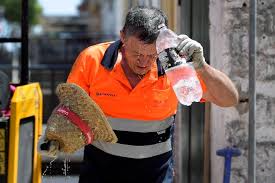
On June 1, 2026, the World Health Organization and international public health networks issued urgent warnings after record early season temperatures swept across continents, amplifying heat related illness and forcing governments and employers to revise workplace and public health guidance. The alert reflects a mounting public health emergency that combines a surge in heat stroke cases, stressed medical facilities, and cascading social impacts for outdoor workers, older adults, and vulnerable communities.
How the Early Heat Surge Is Hitting People
Across urban streets and rural fields I heard the same human response: an urge to slow down, find shade, and conserve energy. Emergency rooms from southern Europe to South Asia reported rising admissions for dehydration, heat exhaustion, and acute kidney injury. Paramedics described scenes where elderly patients found themselves disoriented on balconies or in sweltering single room dwellings with little access to cooling. For many lower income households the choice is stark: pay for air conditioning or for food and medicine. That choice is producing avoidable suffering and pushing clinics to triage temperature related conditions alongside routine care.
Heat affects people differently. Children, pregnant people, outdoor laborers, and those with cardiovascular or respiratory conditions face heightened risk. Heat exacerbates chronic disease management by altering medication effectiveness, increasing cardiovascular strain, and accelerating dehydration. Public health teams have been stretched thin trying to deliver outreach, hydration stations, and mobile clinics while hospital beds fill with cases that could have been prevented with earlier community interventions.
Healthcare Systems Under Pressure
Hospitals are reporting elevated emergency department volumes and higher occupancy in general wards. Intensive care units in some regions have admitted patients with severe heat induced organ dysfunction and complications from pre existing conditions. The pressure is not only clinical. Staff shortages caused by health worker heat exposure and increased absenteeism reduce surge capacity just when demand spikes. Supply chains for IV fluids, cooling equipment, and portable fans have been tested, and local health authorities are reallocating resources to meet immediate needs.
Primary care clinics and community health workers have shifted toward prevention, distributing guidance on staying hydrated, recognizing warning signs, and adapting medication schedules. Outreach teams are prioritizing home visits for isolated seniors and arranging temporary cooling centers where feasible. Those interventions aim to lower emergency admissions, but they require funding and logistical coordination that many municipalities struggle to provide on short notice.
Workplace Adjustments and Labor Concerns
Employers and regulators have moved quickly to protect workers exposed to extreme heat. Several countries issued guidance adjusting permissible work hours for outdoor occupations, mandating additional rest breaks, and recommending climate adapted personal protective equipment and hydration protocols. Construction sites, agricultural operations, and delivery services have had to rethink shift patterns and safety practices to minimize heat stress among crews.
Labor unions and worker advocacy groups pressed authorities to formalize protections for precarious workers who often lack paid leave or employer provided cooling breaks. Migrant labor populations, who frequently live in crowded, poorly ventilated accommodations, are especially vulnerable. The intersection of heat, poverty, and insecure work highlights structural weaknesses that will recur unless policies embed heat resilience as a core labor standard.
Public Infrastructure and Urban Heat
Cities reported intensified surface temperatures and night time heat retention in concrete neighborhoods, worsening the human toll because there is little overnight reprieve. Urban heat islands amplify exposure for residents without access to green space or cooling. Transit systems have faced operational strain as overhead lines warp, signaling equipment overheats, and ridership behavior shifts away from peak midday travel. Municipalities are opening public pools, shading bus stops, and accelerating tree planting programs, but such measures provide partial relief and require sustained investment.
Water utilities face competing pressures. Higher demand for cooling and hydration strains distribution networks while drought conditions in adjacent catchments reduce supply reliability. Where water restrictions are in force, public health authorities must balance conservation measures with the need for accessible hydration for vulnerable populations.
Guidance from WHO and Global Health Networks
The WHO advisory urged immediate measures to protect high risk populations, strengthen clinical protocols for heat related illness, and expand surveillance to identify hotspots of acute impact. Recommended actions include activating early warning systems, establishing cooling centers and mobile response teams, issuing targeted public advisories in local languages, and ensuring uninterrupted access to drinking water and basic medicines.
WHO also emphasized the need for rapid operational guidance for clinicians on recognizing and managing heat related organ dysfunction and for occupational health services to implement workplace heat safety plans. Data sharing between meteorological agencies and health services was highlighted as essential to trigger preventative actions before surges in hospital admissions occur.
Policy Shifts and Short Term Interventions
Governments are already adopting immediate policy changes. Some jurisdictions temporarily relaxed rules to allow earlier school closures or adjusted public event schedules to cooler parts of the day. Other measures include temporary subsidies for cooling equipment in elderly care facilities and expedited procurement for portable medical cooling units. Municipal leaders are coordinating with non governmental organizations to deploy hydration points and distribute cooling kits to households that cannot afford air conditioning.
These stop gap measures matter, but authorities and health planners are urging that short term responses be paired with medium and long term adaptation strategies to avoid recurring crises each summer.
Long Term Adaptation and Resilience Measures
Heat waves are becoming more frequent and intense, and communities must build resilience. Practical, long term policies include retrofitting homes for passive cooling, updating building codes for heat resilient design, expanding urban green infrastructure to reduce surface temperatures, and investing in reliable water and power systems that sustain cooling during peak demand. Health systems should strengthen surge capacity, incorporate heat risk into emergency preparedness planning, and train clinicians in climate related health impacts.
At the policy level, integrating heat risk into urban planning and labor law is essential. Heat risk maps can guide targeted interventions for the most exposed neighborhoods. Labor regulations that mandate heat safety standards, paid rest breaks, and enforcement mechanisms will protect workers most at risk. Financing for these investments requires national budgets and innovative funding such as public private partnerships that accelerate infrastructure upgrades in low resource settings.
Equity and Social Justice Considerations
Heat is not an equalizer. It compounds existing inequalities. Low income communities, informal settlements, and populations with limited healthcare access suffer disproportionately. Climate sensitive public health responses must therefore prioritize equity: targeted distribution of cooling resources, subsidies for medical care, and social safety nets that reduce the choice between cooling and subsistence costs.
Community led programs that leverage local knowledge are effective. Neighbourhood watch systems, volunteer cooling visits, and community centers acting as heat refuges can save lives when official services are overwhelmed. Supporting such grassroots capacity builds social resilience that complements formal public health infrastructure.
What Individuals Can Do Now
People can take practical steps to reduce risk. Stay hydrated with plain water, avoid strenuous activity during the hottest hours, use lightweight breathable clothing, and check on older relatives and neighbors daily. For those with chronic conditions review medication timing with clinicians because some drugs affect thermoregulation and hydration needs. Employers and community organizations should create buddy systems for outdoor workers and ensure access to shade, water, and rest periods.
Local health services often publish region specific guidance and heat advisories. Following these recommendations reduces the immediate burden on emergency services and protects the most vulnerable.
What to Watch Next
Public health authorities will monitor emergency department and ambulance call volumes, excess mortality statistics, and hydration related hospitalizations as immediate indicators of impact. Meteorological forecasts and heat alert systems will guide when to escalate interventions. Policymakers will face choices about resource allocation for short term mitigation and longer term infrastructure investments that blunt future heat shocks.
The WHO advisory underlines a clear message: heat related health impacts require coordinated public health action now and structural planning for the future. Protecting lives will depend on swift implementation of clinical guidance, workplace protections, and social measures that prioritize those most at risk. For further technical guidance and heat health toolkits readers can consult the World Health Organization and national public health agencies for region specific resources and advisory updates. WHO provides operational resources that health systems and community planners can use to scale responses and reduce harm.