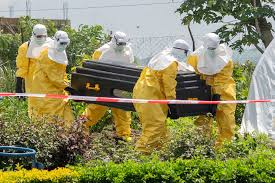
The World Health Organization and international partners have released millions in emergency funding to deploy rapid response medical teams and install transmission barriers across affected regions in the Democratic Republic of Congo. The move aims to interrupt chains of infection, protect fragile health systems, and prevent outbreaks from spreading into neighboring communities where resources are even scarcer.
What the funding will do on the ground
Funds released this week will finance three immediate areas of response. First, rapid response teams staffed with clinicians, epidemiologists, and logisticians will be flown or driven into hotspot zones to perform case finding, contact tracing, and clinical care. Second, supply lines will be established to deliver personal protective equipment, essential medicines, and safe burial kits where culturally appropriate. Third, investments will be made in physical and behavioral transmission barriers at points of care and community gathering sites such as isolation tents, triage stations, and targeted risk communication campaigns.
Why speed matters
Viral outbreaks in settings with limited health infrastructure spread quickly when detection is delayed. Rapid deployment shortens the time between a first confirmed case and the start of containment operations. That matters for clinical outcomes and for community confidence. Quick action helps reassure families that authorities can provide care and reduce the incentive for people to hide symptoms or avoid formal treatment, behaviors that prolong transmission chains.
Human stories behind the emergency response
In a makeshift clinic on the outskirts of a provincial capital, local nurses working double shifts describe the pressure of treating patients while maintaining infection control. They speak of the heavy smell of disinfectant, the rhythmic clicking of monitors, and the small victories when a patient clears fever and leaves the ward. Community health workers tell of long nights tracing contacts by foot through muddy lanes and of anxious conversations with families reluctant to report sick relatives because of funeral traditions. Those narratives inform how international teams tailor interventions to local realities rather than impose one size fits all solutions.
Community engagement as a medical tool
Health workers emphasize that technical measures alone will not stop an outbreak. Building trust with local leaders, religious figures, and traditional healers is as critical as delivering medicines. Communication that respects cultural practices while presenting safer alternatives for caring for the sick and conducting burials reduces resistance and increases cooperation with isolation and vaccination efforts when available.
Coordination across agencies and donors
The WHO funding is part of a broader mosaic of international contributions that include bilateral donors, United Nations agencies, and humanitarian organizations. Coordinating funding streams and operational roles prevents duplication and ensures that scarce clinical specialists and logistics capacity are used where they have the most impact. Joint command centers are being set up to align surveillance data, laboratory confirmations, and resource allocation in near real time so that hotspots receive reinforcements before hospitals are overwhelmed.
Logistics and supply chain challenges
Transporting clinical teams and supplies across vast, often roadless terrain is a logistical challenge. Cold chain requirements for some medical products, weak road networks, and episodic insecurity increase lead times from a few hours to several days. Donor funds will finance airlift services, rented refrigerated trucks, and secure storage facilities to bridge those gaps. Faster, transparent procurement under emergency procedures reduces bureaucratic delay while audit trails maintain donor accountability.
Public health measures being deployed
Field teams are implementing a package of interventions that combine clinical treatment with population level prevention. Active surveillance and early case isolation reduce onward transmission. Point of care testing accelerates diagnosis and guides clinical decisions. Infection prevention measures at clinics protect health workers so they can continue providing essential services. Where vaccines are available for the pathogen in question, targeted vaccination campaigns for high risk contacts and frontline staff are being planned and in some areas already launched.
Balancing outbreak response with routine care
Maintaining routine health services such as childhood immunizations and maternal care is an explicit priority. Past outbreaks have shown that deaths from other conditions can rise when health workers are diverted entirely to emergency tasks. Funds will therefore support dual track operations that protect emergency response capacity while keeping core health services operational through task shifting and temporary staffing reinforcements.
Monitoring, data, and accountability
Donors and health agencies are establishing performance metrics to track how funds translate into operational outcomes. Indicators include time from case detection to isolation, proportion of contacts traced within 48 hours, bed occupancy rates in treatment centers, and the availability of personal protective equipment at frontline posts. Public dashboards that publish aggregated data and expenditure summaries aim to preserve transparency and allow civil society and local authorities to hold partners accountable.
Scientific and ethical oversight
Laboratory confirmations and genomic sequencing where feasible will help map transmission chains and detect whether the virus is mutating in ways that change clinical severity or transmissibility. Ethical review bodies are involved in approving trial or expanded access use of therapeutics and vaccines, ensuring that vulnerable populations receive protection without exploitation. Clear consent procedures and community consultation are built into any clinical intervention supported by international funds.
Risks that could complicate containment
Several factors could hinder response efforts. Continued insecurity in some provinces makes access to certain areas risky for responders and supply convoys. Misinformation spread through social networks fuels distrust and can lead to violence against health teams. Funding shortfalls would force prioritization that leaves some communities with only partial coverage. Donors are being urged to maintain flexible, multi year commitments that match the unpredictable timeline of epidemic control in complex humanitarian settings.
What international partners are calling for
Global health actors are asking for sustained contributions and rapid disbursement so teams on the ground can plan operations beyond immediate firefighting. Investments in local workforce development, laboratory capacity, and community health systems are framed as the most durable way to reduce future outbreaks and keep costs manageable. Strengthening regional surveillance networks helps neighboring countries detect imported cases early and enact cross border measures that are both effective and proportionate.
Trusted sources and further information
Readers seeking situation updates and technical guidance can consult WHO situation reports for official confirmed case counts and response briefs, and the United Nations Office for the Coordination of Humanitarian Affairs for operational coordination notes https://www.who.int. These sources provide timely data that complement field reporting and outline mechanisms for humanitarian support.
A final reflection on resilience
The decision to mobilize millions in emergency funding is a necessary response to an urgent threat. Yet the human dimension of outbreak response is what determines whether interventions stick. Where trust is built, where health workers are supported, and where logistics reach remote families quickly, outbreaks fade faster and communities recover with less trauma. Emergency money buys time and capability. The longer term task is to convert that temporary surge into stronger health systems that make future outbreaks rarer and less devastating.