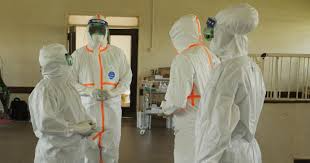
The World Health Organization announced new funding for vaccines and medical equipment in Cuba on November 24, while its emergency teams faced a very different crisis in the eastern Democratic Republic of the Congo, where armed clashes disrupted efforts to contain a deadly Ebola outbreak. The developments highlight the scale of the health challenges facing the international community, from shortages in hospital supplies to the dangers confronting medical workers in conflict affected areas.
WHO Announces Funding and Medical Supplies for Cuba
During an official visit to Havana, WHO Director General Dr. Tedros Adhanom Ghebreyesus announced US$2 million in support for Cuba’s national immunization activities. The funding is intended to help protect vaccination services for children and adults at a time when the country’s health system is under significant financial and operational pressure.
The announcement followed Dr. Tedros’s arrival in Cuba on November 22 at the invitation of Public Health Minister Dr. José Ángel Portal Miranda. During the visit, the WHO chief met Cuban President Miguel Díaz Canel Bermúdez, toured medical facilities and spoke with health workers and families. Senior officials from the WHO and the Pan American Health Organization, known as PAHO, accompanied the delegation.
The funding will support Cuba’s National Immunization Program, including vaccination for approximately 62,000 newborns, more than 780,000 girls and boys, and over 110,000 people in other risk groups. It will also contribute to rabies prevention and control activities.
Dr. Tedros said Cuba’s public health achievements needed protection and described the latest support as part of the organizations’ commitment to maintaining access to essential health services. The announcement carries particular importance because Cuba has historically maintained vaccination coverage above 98 percent for many years, although coverage declined to 95 percent in 2025.
Medical Equipment Delivered to Havana Hospital
Alongside the funding announcement, the WHO and PAHO delivered essential medical supplies and equipment to health facilities in Cuba. One destination was the William Soler University Pediatric Hospital in Havana, where Dr. Tedros met medical staff and families of children receiving treatment. He also visited the hospital’s pediatric cardiocenter.
The delivered equipment included electronic blood pressure monitors, pulse oximeters, stethoscopes, thermometers, ophthalmoscopes and otoscopes. Basic medical care kits were also provided to help strengthen the hospital’s ability to respond to patients’ needs.
These supplies may appear modest compared with major hospital infrastructure projects, but reliable diagnostic equipment is essential to everyday medical care. A functioning blood pressure monitor can help clinicians identify a serious condition. A pulse oximeter can provide an early warning when a patient is not receiving enough oxygen. For pediatric facilities, where staff must assess children quickly and carefully, dependable equipment can make a practical difference.
A health system under growing pressure
Cuba’s health services have faced mounting difficulties amid a wider economic crisis, fuel shortages and electricity disruptions. Hospitals have reported shortages of basic supplies, including syringes, gauze, vaccines and anesthetics. Equipment used for procedures and ongoing treatment has also been affected by a lack of replacement parts and maintenance resources.
The strain has raised concerns about the ability of medical facilities to maintain routine services while treating patients with serious conditions. Power interruptions can complicate hospital operations, while shortages of medicines and essential supplies place additional pressure on doctors, nurses and patients’ families.
The WHO and PAHO have mobilized more than US$14 million through 14 projects between 2025 and 2026 to support health service quality, sustainability and workforce capacity in Cuba. The new immunization funding forms part of this broader cooperation. Dr. Tedros also met representatives of Cuban biotechnology companies to hear about developments and challenges in the country’s pharmaceutical sector.
His visit was his second official trip to Cuba as WHO Director General, following an earlier visit in 2018. The organizations have indicated that continued cooperation will focus on the country’s main health needs and on keeping essential services available to the population.
Fighting Disrupts Ebola Response in Eastern Democratic Republic of the Congo
While WHO officials announced support in Havana, emergency teams in the Democratic Republic of the Congo were dealing with an immediate security threat. Heavy fighting near a hospital in Ituri province forced health workers and humanitarian partners involved in the Ebola response to take shelter inside a maternity ward for more than 24 hours.
Dr. Tedros said the clashes were taking place close to the area where the outbreak first emerged. The violence disrupted medical operations and placed patients, their relatives and health workers at serious risk. The WHO was working with humanitarian partners to arrange a safe exit for personnel trapped at the facility.
The incident illustrates how conflict can undermine even well organized public health operations. Ebola response teams need to reach affected communities, investigate suspected infections, test patients, trace contacts and support people receiving care. When roads become unsafe or medical facilities are caught in fighting, these activities can slow down or stop altogether.
Hospitals must remain places of protection, not targets or casualties of armed conflict. Medical workers need safe access to patients, and people seeking treatment should not have to weigh the danger of reaching a health facility against the danger of remaining at home.
The Ebola Outbreak and the Challenge of Containment
The outbreak in the Democratic Republic of the Congo was declared in May 2026 and involves the Bundibugyo species of Ebola virus. Government figures cited in Reuters reporting on November 22 indicated that more than 11,000 people had been infected and over 5,500 had died. The scale of the outbreak, combined with insecurity and humanitarian pressures, has made containment exceptionally difficult.
Bundibugyo virus disease presents a particular challenge because there is no established licensed vaccine or specific treatment for this strain. Research and vaccine trials are under way, but experimental candidates should not be confused with a proven, widely available vaccine. The WHO has described surveillance, laboratory testing, clinical care, infection prevention and community engagement as essential parts of the response.
In remarks to member states earlier in November, Dr. Tedros said insecurity had become one of the greatest obstacles to the operation. He also highlighted the importance of paying frontline workers on time and ensuring that response teams have the resources needed to identify cases, isolate patients and follow up with contacts.
Public cooperation is equally important. People need clear information about symptoms, transmission risks and where to seek care. Communities are more likely to participate in contact tracing and other health measures when response teams listen to local concerns and communicate respectfully. Without trust and safe access, medical resources alone cannot stop transmission.
Two Health Emergencies, One Need for Reliable Support
The situations in Cuba and eastern Congo are different, but both show how vulnerable health services can become when essential resources are limited. In Cuba, the immediate concern is maintaining vaccination coverage and supplying hospitals with equipment needed for routine and specialized care. In Congo, the priority is protecting health workers and patients while keeping Ebola surveillance and treatment operations running amid armed violence.
The WHO’s announcement in Havana demonstrates how international funding and equipment can help sustain public health programs before shortages cause further disruption. The situation in Ituri shows the limits of medical assistance when teams cannot safely reach the people who need it. Both circumstances require cooperation among national authorities, international agencies, health professionals and local communities.
For Cuba, the value of the new support will depend on whether vaccines and equipment reach facilities and patients who need them. For the Democratic Republic of the Congo, progress against Ebola will depend not only on medical supplies and technical expertise, but also on secure humanitarian access and protection for civilians.
What Happens Next
In Cuba, WHO and PAHO are expected to continue working with health authorities to support immunization, strengthen medical services and identify areas where international cooperation can provide practical assistance. The announced funding is intended to help protect vaccination for hundreds of thousands of people, while the equipment delivered to pediatric facilities addresses immediate clinical needs.
In eastern Congo, the urgent task is to secure the safe movement of trapped personnel and restore the response activities affected by fighting. Health workers must be able to operate without fear, and hospitals must be protected so that patients can receive care. Continued surveillance, testing, treatment and community engagement will remain essential as authorities work to bring the outbreak under control.
The developments on November 24 offer a reminder that public health depends on more than medical knowledge. Vaccines must be available, equipment must work, hospitals must remain supplied and health workers must be safe. Whether supporting a child receiving treatment in Havana or an Ebola patient in Ituri, protecting access to care is a shared responsibility that requires sustained international attention.
Further information on the WHO’s global health work and emergency response is available through the World Health Organization and its regional partner, the Pan American Health Organization.