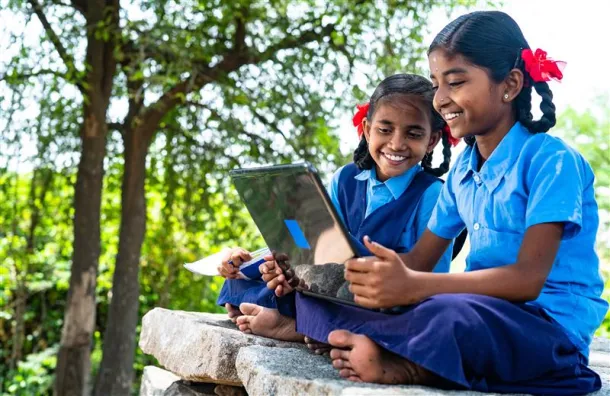
April 19, 2026 marks a defining moment in global education efforts as UNESCO’s Global Education Coalition announces that its Skills Academy initiatives have reached 10 million young people worldwide. We see this milestone not simply as a number, but as a powerful reflection of opportunity extended to millions who might otherwise have remained excluded from the modern workforce.
A Global Effort Rooted in Urgency
When the Global Education Coalition was first launched, it responded to an urgent need to keep learning accessible during widespread disruptions. Over time, its mission evolved into something broader and more enduring. The Skills Academy became a bridge between education and employability, focusing on practical competencies that align with real world demands.
We recognize that for many young learners, especially in low and middle income countries, access to quality education remains uneven. Digital platforms offered a pathway to close that gap, delivering courses in coding, digital marketing, entrepreneurship, and essential soft skills. These are not abstract lessons. They are tools for survival and growth in competitive job markets.
The Meaning Behind 10 Million Lives Touched
Reaching 10 million youth carries both symbolic and practical significance. Each learner represents a story of ambition, resilience, and often struggle. From urban centers to remote villages, young people have logged in to gain knowledge that can reshape their futures.
We have seen how access to employability skills can alter life trajectories. A young woman learning graphic design can begin freelancing from her home. A student mastering basic coding can secure entry level work in the tech sector. These outcomes contribute not only to individual prosperity but also to broader economic development.
Digital Learning as a Gateway to Opportunity
The success of the Skills Academy highlights the growing role of digital education in addressing global inequalities. Online platforms remove barriers related to geography, cost, and infrastructure. However, they also introduce new challenges such as connectivity gaps and digital literacy limitations.
To address these issues, UNESCO and its partners have worked to expand access through localized content, mobile friendly platforms, and partnerships with governments and private organizations. The result is a more inclusive model of education that meets learners where they are.
Readers interested in the broader framework behind these initiatives can explore the UNESCO education programs, which outline global strategies for inclusive and equitable learning.
Skills That Matter in Today’s Workforce
The Skills Academy focuses on competencies that align with current labor market needs. This includes both technical and interpersonal skills, ensuring that learners are prepared for a range of professional environments.
- Digital literacy and basic coding
- Communication and teamwork
- Entrepreneurship and financial awareness
- Problem solving and critical thinking
We understand that employers increasingly value adaptability and continuous learning. By equipping youth with these capabilities, the program helps bridge the gap between education systems and industry expectations.
Stories from the Ground
Behind every statistic lies a human experience. In parts of Africa, young entrepreneurs have used Skills Academy training to launch small businesses, contributing to local economies. In South Asia, students have leveraged digital skills to access freelance platforms, earning income that supports their families.
We hear from participants who describe their first online class with a mix of curiosity and determination. For many, it is their first exposure to structured digital learning. The glow of a smartphone screen becomes a window into new possibilities.
The Role of Partnerships
The Global Education Coalition’s success is rooted in collaboration. Governments, technology companies, non profit organizations, and educational institutions have come together to support the initiative. This collective effort has enabled the scaling of programs to reach millions.
We observe that such partnerships are essential for addressing complex global challenges. No single entity can achieve this level of impact alone. By pooling resources and expertise, the coalition has created a model that can be replicated in other areas of development.
Measuring Impact Beyond Numbers
While the milestone of 10 million learners is significant, the true measure of success lies in long term outcomes. Are participants securing jobs. Are they starting businesses. Are communities benefiting from their skills.
Early indicators suggest positive trends. Increased employment rates among participants and growing engagement with digital platforms point to meaningful progress. However, sustained monitoring and evaluation will be critical to ensure that these gains are lasting.
Global data on education and workforce trends can be further explored through the World Bank education initiatives, which provide insights into how skills development influences economic growth.
Challenges That Persist
Despite its achievements, the Skills Academy faces ongoing challenges. Digital divides remain a significant barrier, particularly in regions with limited internet access. Additionally, language diversity and cultural differences require continuous adaptation of content.
We also recognize the importance of ensuring quality alongside quantity. Expanding reach must not come at the expense of effective learning outcomes. Maintaining high standards in course design and delivery is essential for credibility and impact.
A Vision for the Future
Looking ahead, UNESCO aims to build on this momentum by expanding its reach and deepening its impact. Future plans include integrating emerging technologies such as artificial intelligence into learning modules and strengthening connections with employers.
We see potential for the Skills Academy to play a pivotal role in shaping the future of work. As industries evolve, continuous learning will become increasingly important. Programs that provide accessible, relevant education will be central to this transition.
Why This Milestone Matters Now
The significance of reaching 10 million youth extends beyond education. It reflects a broader commitment to equity, opportunity, and human development. In a world where economic disparities continue to widen, initiatives like the Skills Academy offer a pathway toward inclusion.
We believe that empowering young people with skills is one of the most effective ways to build resilient societies. Education is not merely about knowledge. It is about enabling individuals to participate fully in economic and social life.
A Collective Responsibility
This milestone invites reflection on the role of governments, institutions, and individuals in supporting education. While UNESCO and its partners have made substantial progress, the responsibility does not end here.
We all have a stake in creating systems that provide equitable access to learning. Whether through policy, investment, or community engagement, each contribution helps sustain the momentum generated by initiatives like the Skills Academy.
As we consider the journey from concept to 10 million learners, one truth stands out clearly. Access to skills can change lives. With continued effort and collaboration, the next milestone may not just be larger in scale but deeper in impact, reaching those who need it most and opening doors that once seemed out of reach.