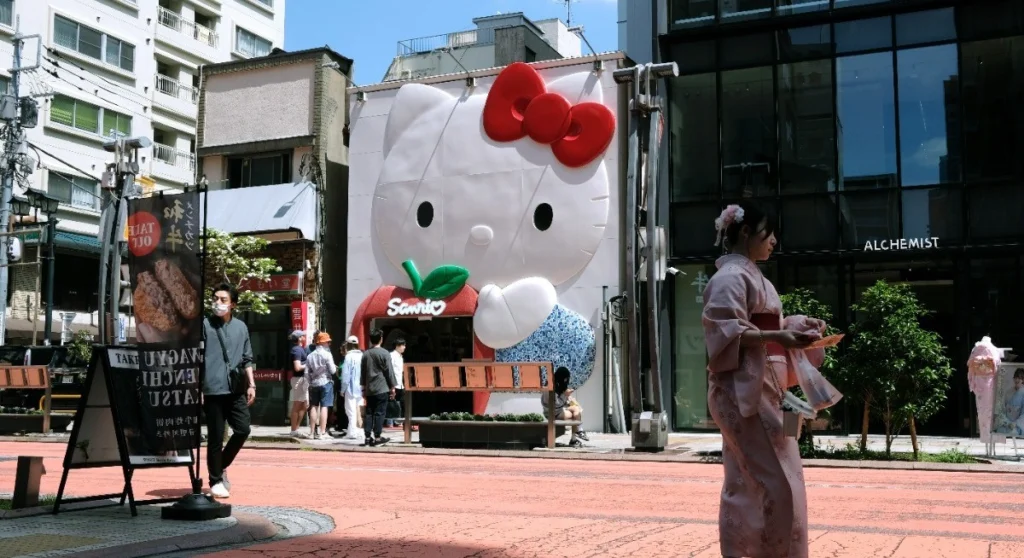
A company long associated with global cuteness culture is stepping into a new competitive arena. On April 21, 2026, Sanrio, the creator of Hello Kitty, announced the launch of its dedicated gaming brand, marking a strategic shift into interactive entertainment with plans to release around ten titles over the next three years. The move positions the company directly within the fast growing video game industry, with a clear focus on Nintendo Switch and the upcoming Switch 2 platforms.
A Strategic Entry Into a Fast Growing Market
We are observing a deliberate expansion of intellectual property into gaming, a sector that continues to outperform many traditional entertainment industries. Sanrio Games will serve as a self publishing label, allowing the company to develop and distribute titles directly rather than relying solely on external licensing partnerships.
The first confirmed release, a party style multiplayer title featuring Sanrio characters, is scheduled for a global launch in fall 2026. The broader roadmap includes approximately ten games spanning different genres over a three year period, signaling a long term commitment rather than a limited experiment. ([turn0search1])
From Character Licensing to Interactive Worlds
Sanrio has historically built its global success through character licensing across toys, fashion, theme parks, and media collaborations. Now, the company is shifting toward interactive storytelling where players engage directly with its character universe.
This transition reflects a broader industry pattern where entertainment companies are no longer treating games as secondary products but as central platforms for brand expansion. By moving into self published development, Sanrio gains full control over design, storytelling, and user experience.
What Sanrio Games Will Offer Players
At the center of the new initiative is a vision of connected experiences. The games are expected to feature well known characters such as Hello Kitty, My Melody, and other members of the Sanrio universe, integrated into interactive environments designed for both casual and family oriented audiences.
The first title will focus on a party game format built for Nintendo Switch and Switch 2. It is expected to include multiplayer mini games, customizable avatars, and character driven environments where players can interact in shared digital spaces. ([turn0search5])
Designed for Accessibility and Global Reach
Sanrio’s approach prioritizes accessibility, targeting both longtime fans and new audiences. The company has emphasized that its gaming strategy will extend beyond standalone titles and connect with existing ecosystems such as merchandise, membership services, and themed attractions.
This integration is intended to create continuity between physical and digital experiences, allowing fans to engage with characters across multiple platforms in a unified way.
Nintendo Switch and Switch 2 at the Core of Strategy
Sanrio’s decision to focus on Nintendo platforms is significant. The Switch family of consoles has maintained a strong global user base, particularly among younger audiences and casual players, which aligns closely with Sanrio’s brand identity.
By targeting both current and next generation hardware, the company is positioning itself for long term relevance as gaming transitions into newer hardware cycles. This also reflects confidence in the continued dominance of hybrid console ecosystems in family friendly gaming segments. ([turn0search6])
A Natural Fit for Character Driven Gaming
Industry analysts have long noted that character based intellectual property performs strongly in party games, social simulators, and cooperative experiences. Sanrio’s extensive library of more than 450 characters provides a strong foundation for this type of content.
Rather than building new fictional worlds from scratch, the company can leverage established emotional connections that already exist with global audiences.
The Business Strategy Behind the Expansion
Sanrio’s gaming initiative is not only a creative move but also a financial one. The company aims to diversify revenue streams and strengthen its position as a global intellectual property platform rather than a character merchandise business alone.
Executives have described gaming as a core pillar of long term growth, supported by investments in internal development teams and external partnerships. The strategy reflects a broader shift in Japanese entertainment companies expanding into interactive media as a primary revenue driver.
Building a New Revenue Ecosystem
The planned games are expected to connect with existing Sanrio services, including retail locations, membership programs, and themed entertainment spaces. This ecosystem approach is designed to increase engagement and encourage repeated interaction across platforms.
Rather than treating games as isolated products, Sanrio is positioning them as entry points into a wider branded experience.
Competition in the Character Gaming Space
Sanrio enters a competitive environment already shaped by major entertainment and gaming companies. Franchises built around characters have seen strong success in gaming, particularly in social and casual formats that emphasize cooperation over competition.
The company’s challenge will be to balance simplicity with depth, ensuring that games remain accessible while still offering enough variety to sustain long term engagement.
Why Timing Matters
The global gaming market continues to expand, driven by increased mobile connectivity, cloud services, and hybrid console adoption. According to industry tracking from organizations such as Statista, the sector remains one of the fastest growing segments in digital entertainment.
Sanrio’s entry at this stage allows it to benefit from established infrastructure while still carving out a distinct identity within a crowded market.
First Title Sets the Tone for the Brand
The initial release will serve as a test case for the broader strategy. The party game format is intentionally familiar, designed to attract both younger audiences and long time fans of the Sanrio universe.
Players will be able to create avatars, explore themed environments, and participate in mini games featuring recognizable characters. This structure mirrors successful social gaming models while adding a distinct character driven identity.
Global Simultaneous Launch Strategy
The first title is scheduled for a worldwide release in fall 2026, reflecting a coordinated global marketing approach. This ensures that fans across regions can engage with the game at the same time, strengthening community driven engagement from launch.
A Broader Shift in Entertainment IP Strategy
Sanrio’s move reflects a wider transformation across the entertainment industry, where intellectual property is increasingly designed to function across multiple media formats. Characters are no longer confined to animation or merchandise but are now central to interactive ecosystems.
This approach allows companies to extend the lifespan of their intellectual property while creating new revenue opportunities through digital engagement.
From Passive Viewing to Active Participation
We are seeing a shift in how audiences engage with beloved characters. Instead of watching stories unfold, players now participate in them directly. This changes the relationship between brands and audiences, making interaction a core part of storytelling.
What Comes Next for Sanrio Games
Over the next three years, Sanrio is expected to gradually expand its gaming portfolio across multiple genres. While details remain limited, the roadmap suggests a mix of party games, character focused adventures, and experimental interactive experiences.
The success of this initiative will depend on execution, particularly in balancing brand identity with gameplay innovation. Strong performance on Nintendo platforms could also open doors to broader expansion across other systems and digital ecosystems.
A New Chapter for a Global Icon
Sanrio’s entry into gaming represents more than a business expansion. It marks a shift in how the company engages with its global audience, moving from static character branding toward interactive participation.
As development continues, the gaming world will be watching closely to see whether these familiar characters can successfully transition into a space defined by interactivity, competition, and constant evolution.