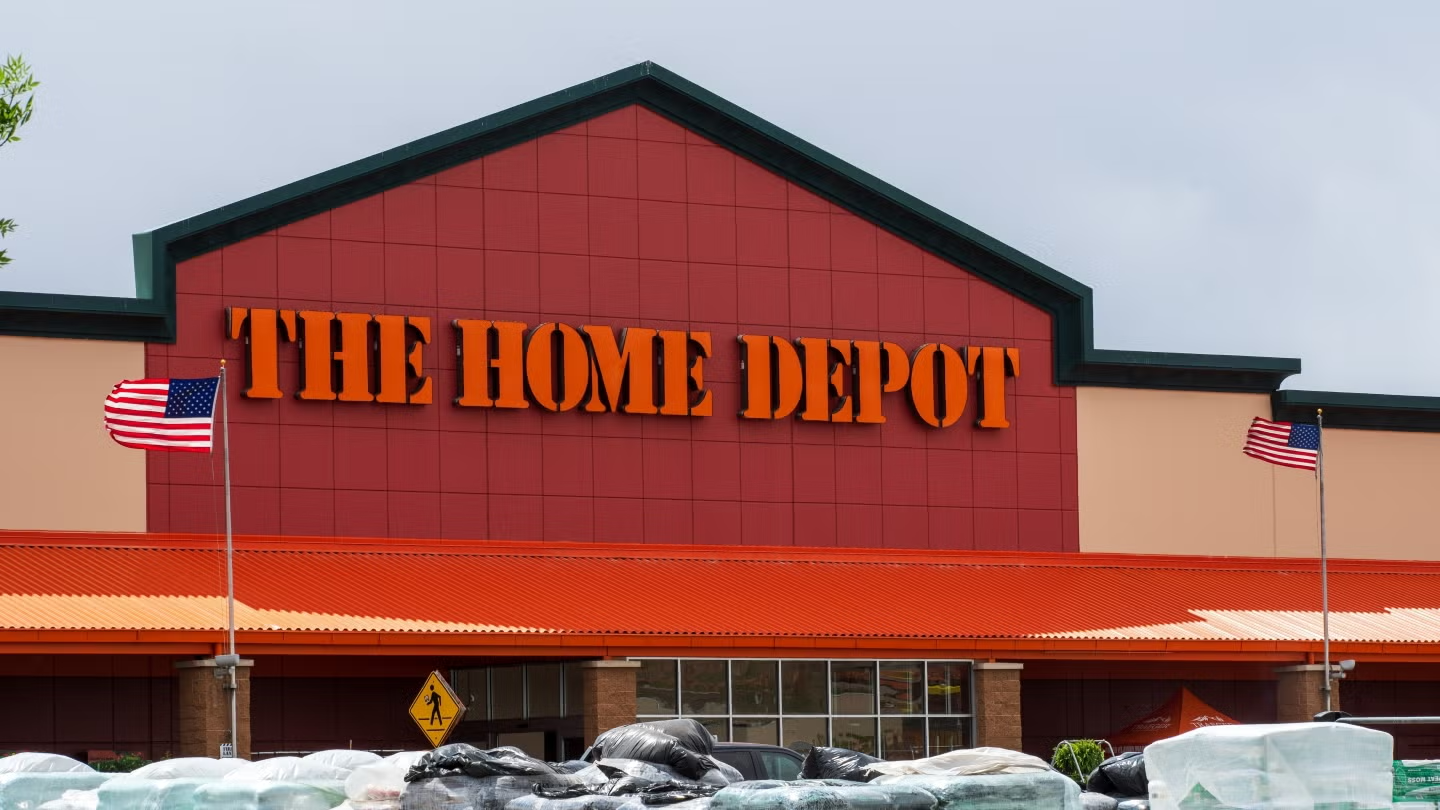
Picture a homeowner in suburban Atlanta, phone in hand, tracking a delayed order of lumber and paint on a crisp spring morning. Frustration builds as minutes tick by. Home Depot aims to erase such moments forever. Fresh off acquiring SIMPL Automation, the retail giant accelerates its supply chain overhaul with AI driven inventory management and real time delivery tracking, promising smoother logistics for stores and customers alike.
The SIMPL Acquisition Catalyst
Home Depot revealed details of its AI push today, building directly on the recent purchase of SIMPL Automation, a specialist in smart warehouse tech. This move folds cutting edge automation into the company’s vast network of over 2,300 stores. We sense the excitement in executive statements, where leaders describe it as a game changer for retail operations strained by post pandemic demands.
SIMPL’s expertise lies in AI systems that predict stock needs and orchestrate robotic fulfillment. Integrated now, these tools promise to cut errors and speed fulfillment. Employees on the warehouse floor, once buried in manual counts, now oversee intelligent bots humming through aisles stacked with tools and fixtures. The human touch remains, but amplified by precision tech that feels almost intuitive.
AI Powered Inventory Management Takes Center Stage
At the heart of this initiative sits advanced inventory AI. Systems analyze sales patterns, weather forecasts, and even local events to forecast demand with uncanny accuracy. No more overstocked shelves gathering dust or frantic scrambles during peak seasons like hurricane prep in Florida.
We imagine the relief for store managers like Carlos Rivera, who manages a busy Orlando location. “Counting pallets at midnight used to be our reality,” he recounts. “Now, AI flags discrepancies before they hit the floor.” This predictive power extends to suppliers, enabling just in time deliveries that reduce waste and costs. Home Depot projects a 20 percent drop in stockouts within the first year, a metric that could redefine big box efficiency.
Live Delivery Tracking Revolutionizes Customer Experience
Delivery tracking evolves from static updates to live, granular insights. Customers see their order’s journey in real time: loaded onto a truck in Georgia, weaving through Atlanta traffic, arriving at the curb. AI optimizes routes, dodging delays from construction or storms, much like a personal GPS for every package.
This feature resonates personally. We recall stories from truck drivers, the backbone of logistics, who navigate endless highways with pride. AI eases their load by suggesting detours and load balances, turning grueling shifts into smarter hauls. For shoppers, an app notification buzzes: “Your order pulls up in five minutes.” That certainty builds loyalty in an era of fleeting retail attention.
- Real time GPS fused with traffic data for ETA accuracy within minutes.
- Automated alerts for substitutions or delays, with instant reorder options.
- Integration with in store pickup, blending online and physical seamlessly.
Behind the Scenes: Tech Integration Challenges and Wins
Marrying SIMPL’s tech with Home Depot’s legacy systems demanded ingenuity. Engineers tackled data silos, ensuring AI pulls from point of sale records, supplier feeds, and IoT sensors on shelves. The result? A unified dashboard where executives spot trends across regions at a glance.
Yet empathy guides the rollout. Frontline workers receive training to collaborate with AI, not compete against it. We hear from veterans like long time associate Tanya Lee, who shifted from picker to AI coordinator. “It feels like gaining a sharp eyed partner,” she says. This people first approach mitigates fears of job loss, focusing instead on augmentation.
Broader Ripples in Retail Logistics
Home Depot’s strides influence the sector. Competitors watch closely, as supply chain woes plagued earnings reports last quarter. Innovations here could set benchmarks for inventory optimization and last mile delivery, terms now synonymous with AI prowess.
Experts point to studies from the McKinsey & Company operations insights, which forecast AI slashing logistics costs by 15 percent industry wide. Home Depot positions itself as a leader, leveraging its scale to test ideas scalable to peers.
Real Stories from Stores and Drivers
Meet Jamal Thompson, a delivery driver out of Chicago. Last winter, AI rerouted him around a blizzard, saving hours and ensuring holiday orders arrived intact. “Families got their gifts on time; that’s what keeps me going,” he shares, voice thick with satisfaction.
In a Phoenix warehouse, supervisor Aisha Khan oversees bots zipping between towering racks under fluorescent lights. The air hums with efficiency, a far cry from chaotic pre AI days. Her team’s output has surged 30 percent, freeing time for customer facing tasks. These tales ground the tech in everyday heroism.
Environmental and Economic Benefits
Efficiency yields greener outcomes. Optimized routes mean fewer miles driven, cutting emissions equivalent to thousands of cars off roads yearly. Home Depot ties this to sustainability goals, appealing to eco conscious shoppers stocking up on solar panels or insulation.
Economically, savings pass to consumers through competitive pricing. Analysts predict bolstered margins funding store expansions or wage hikes. Workers benefit most, with roles evolving into higher skilled positions commanding better pay.
Future Horizons for Retail AI
This acceleration hints at more. Voice activated reordering, drone deliveries in rural areas, even predictive maintenance for store fixtures. Home Depot hints at pilots blending AI with augmented reality for in store navigation.
We feel the momentum. Retail logistics, once a slog of spreadsheets and guesswork, now pulses with intelligent foresight. For deeper dives into supply chain tech, resources from the Gartner supply chain insights offer valuable context.
Our Take on a Smarter Retail Tomorrow
From April 22, 2026, Home Depot charts a course others will follow. We celebrate the blend of bold acquisition and thoughtful integration, where AI serves people over processes. Challenges like data privacy and system reliability persist, but proactive measures inspire confidence.
This story transcends one retailer; it signals retail’s intelligent future, where supply chains hum with reliability and human ingenuity shines through. Stay tuned as these changes unfold in stores near you.