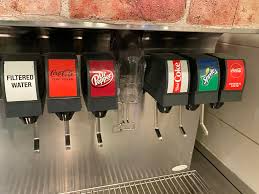
McDonald’s has started a global rollout of a new premium beverage line, a clear signal that the fast food giant wants a bigger share of the specialty drink market. The move puts it in direct competition with coffee bars and café chains that have built loyal followings around layered flavors, higher quality ingredients, and drinks that feel more personal than routine.
A new front in the beverage wars
We are seeing a familiar corporate pattern play out in a fresh way: a mass market brand stepping into a category once dominated by smaller, more specialized players. McDonald’s already has the scale, the footprint, and the speed. What it has not always had is the emotional appeal of a drink people order for pleasure rather than convenience. This new line appears designed to change that.
The premium beverage push arrives at a moment when consumer taste has shifted toward drinks that feel more elaborate and expressive. Younger customers, in particular, have shown a strong appetite for coffee house style customization, textured flavors, and beverages that look as good as they taste. McDonald’s seems to be betting that those preferences can travel from boutique cafés to the drive thru lane if the company gets the formula right.
What the rollout signals
The global launch suggests McDonald’s is not treating this as a side experiment. Instead, it is positioning premium drinks as part of a larger strategy to drive traffic, raise check sizes, and make beverage purchases more central to the brand experience. That matters because drinks are often more profitable than food and can create repeat visits when consumers develop a favorite order.
Complex flavor profiles and artisanal ingredients are not accidental phrases here. They point to a deliberate attempt to borrow from the language of specialty cafés without losing the speed and accessibility that define McDonald’s. The challenge is obvious: premium drinks must feel elevated enough to justify the price while still being simple enough to move quickly in a restaurant built for volume.
If the line succeeds, it could help reshape perceptions of what fast food beverages can be. A chain known for speed and affordability would be entering a space where texture, aroma, and presentation matter almost as much as convenience. That is a meaningful shift in brand identity, even if the menu remains rooted in mass market service.
Why the timing makes sense
Consumer spending on out of home beverages has remained resilient, even when shoppers become more cautious in other areas. Drinks are relatively small indulgences, and for many people they are the easiest way to buy a moment of comfort. That makes them a powerful category for chains looking to stand out without asking customers to commit to a full meal.
The timing also reflects the growing influence of specialty cafes on mainstream food culture. What once seemed niche has become expected. Cold foam, flavored syrups, seasonal blends, and milk alternatives now shape consumer habits across age groups. McDonald’s is clearly trying to meet that demand where it already lives, rather than fight it.
There is also an operational logic behind the launch. Beverage innovation can attract attention without requiring a complete overhaul of a restaurant kitchen. In a business where speed and consistency matter, drinks offer a relatively flexible way to test new ideas, build buzz, and reach customers who may not be interested in the chain’s traditional menu.
What customers may notice first
- More layered flavors that go beyond standard soft drinks and basic coffee.
- Ingredients presented as premium or artisanal, aimed at stronger taste differentiation.
- Menu items designed to feel closer to café beverages than fast food fountain drinks.
- Potentially higher prices, reflecting the brand’s move into a more upscale drink category.
Can fast food feel premium?
That is the central question. A premium beverage line can succeed only if customers believe it offers real value, not just fancier language. People are willing to pay for drinks that feel special, but they are also quick to notice when a brand is borrowing café style without delivering café quality. McDonald’s will need to thread that needle carefully.
There is a cultural tension here too. Specialty cafés often sell atmosphere as much as product. The experience includes the smell of espresso, the sound of steam wands, handwritten boards, and a slower rhythm. McDonald’s cannot replicate all of that, and it does not need to. Its advantage is different. It can make a premium flavored drink available in places where a café may not exist, and it can do so quickly, cheaply, and at scale.
That accessibility could be the company’s strongest selling point. For many people, a drink that tastes more refined but remains easy to order and widely available may be more appealing than a high end café visit. If the products are good enough, customers may not care whether the experience feels polished in the traditional sense. They may simply care that it tastes better than what they expected.
What it means for the market
For rivals, the launch is a reminder that beverage competition is intensifying. Specialty chains have long assumed they owned the premium drink conversation. Now they face a company with enormous reach and a habit of turning consumer habits into mass market routines. That does not mean McDonald’s will replace café culture, but it does mean the category is becoming more crowded and more competitive.
The move may also pressure other quick service brands to rethink their own beverage strategies. If a global fast food leader can successfully sell premium drinks, others will likely follow with new flavors, seasonal options, and more upscale ingredient claims. The result could be a wave of innovation across the sector, with drinks becoming a more important battleground than burgers or sandwiches.
For consumers, that competition can be a good thing. More rivalry often means more choices, sharper product development, and stronger value. It can also mean more confusion, especially when brands use similar language to describe different products. Customers will need to decide whether these drinks are a genuine step up or simply a new label on a familiar category.
What to watch next
The early test will be consumer response. People will decide quickly whether the new line feels worth trying, worth paying for, and worth repeating. Social media will likely play a major role in that verdict, especially if the drinks are visually appealing or tied to seasonal promotions. In many food categories now, a product first succeeds online and only then in stores.
Another key question is whether McDonald’s can sustain the premium positioning over time. Limited launches are one thing. Maintaining quality across thousands of locations is another. Ingredient sourcing, staff training, preparation consistency, and pricing discipline will all matter if the company wants this to be more than a short lived menu experiment.
For now, the rollout shows a company willing to move beyond the comfort zone of familiar fast food categories. McDonald’s is betting that people want more than speed. It is betting that they want flavor, novelty, and a drink that feels a little more special than the usual grab and go order. Whether that bet pays off will depend on a single, simple test: does the first sip feel worth the name on the cup?