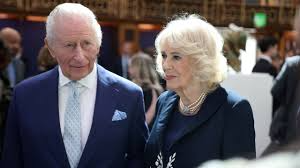
King Charles III and Queen Camilla arrived in the United States on April 28, 2026, beginning a state visit that carries unusual weight at a moment of economic unease and security uncertainty. The trip is meant to reinforce the long standing special relationship between London and Washington, but it also arrives at a time when both governments are under pressure to coordinate on trade, defense, energy, and the fragile balance of power in a fast changing world.
A visit with diplomatic purpose
State visits are often wrapped in ceremony, and this one will be no exception. There will be formal welcomes, carefully arranged pageantry, and the polished choreography that usually accompanies a royal visit to the United States. Yet behind the ceremony lies a clear strategic purpose. Britain wants to remind Washington that, despite political shifts and economic strain, the transatlantic alliance remains one of its most valuable diplomatic assets. The United States, for its part, will use the occasion to reaffirm ties with a close partner at a time when coordination among allies matters more than ever.
The symbolism is powerful. King Charles is arriving not only as a monarch, but as a steadying figure whose public style is rooted in continuity, restraint, and service. Queen Camilla’s presence adds warmth and a sense of stability to the visit. Together, they offer a message of calm at a time when many governments are struggling to project confidence. That message may resonate strongly in Washington, where international partnerships have become more important, not less, as economic pressures and security risks mount.
Why this visit matters now
The timing of the trip makes it especially significant. Global supply chains remain vulnerable, inflation has not fully faded from public concern, and security threats continue to test alliances from Europe to the Middle East. British and American leaders are expected to discuss these issues against a backdrop of broader uncertainty, including questions about defense spending, intelligence sharing, energy resilience, and the future shape of global trade.
For the UK, the visit offers a chance to show that it remains a serious international actor even outside the European Union. For the US, it is a chance to signal that the special relationship is still a working partnership, not just a historical phrase. That distinction matters because both countries are trying to manage a world in which economic nationalism, regional conflict, and technological competition are all pressing at once.
There is also a human dimension to this diplomatic moment. In times of strain, public rituals can offer reassurance. A royal visit creates a rare kind of shared attention, one that cuts across politics and invites viewers to consider continuity, history, and mutual respect. For many people on both sides of the Atlantic, that sense of connection still matters.
The special relationship in practice
Talk of the special relationship can sometimes sound ceremonial, but in practice it reflects a dense web of cooperation. The two countries work together on intelligence, military coordination, financial regulation, science, education, and diplomacy. When tensions rise in one part of the world, the UK and US often find themselves needing each other’s support more than they expected. That is part of what gives this visit its practical weight.
Business leaders, defense officials, and policymakers will be paying close attention to the conversations that unfold during the trip. Even when the public sees only the formal arrival, the real work often happens in meetings away from cameras. Those conversations can shape future cooperation on sanctions, data policy, artificial intelligence, maritime security, and shared responses to global instability.
For readers following the visit from abroad, the phrase special relationship may sound polished, but it reflects an enduring reality. The alliance has survived wars, economic shocks, elections, and changes in leadership because both countries continue to find value in common purpose. That does not mean they agree on everything. It does mean they still consider partnership preferable to distance.
A royal visit with modern stakes
King Charles has long projected a public identity shaped by environmental concern, diplomacy, and institutional continuity. In the United States, those qualities may help frame the visit as forward looking rather than purely ceremonial. His public role allows him to speak in a language of continuity that elected leaders often cannot. That can be useful when the goal is to strengthen bonds rather than announce policy.
Queen Camilla’s role should not be underestimated either. Royal visits often succeed not only because of political messaging, but because of the tone they set. Her presence can soften the formal edges of the trip and add a sense of accessibility that helps the visit connect with audiences beyond diplomatic circles.
There will likely be public interest in how American audiences receive the pair. Royal visits often stir a mix of admiration, curiosity, and historical fascination in the United States. The monarchy remains a foreign institution to many Americans, but it also carries an enduring cultural pull. That mix gives the visit a public life of its own, even as the diplomacy unfolds in the background.
What observers will watch
- How firmly both governments present the alliance as relevant to current economic and security challenges.
- Whether the visit produces visible signals of cooperation on trade, defense, or technology.
- How American audiences respond to the royal couple’s public appearances.
- Whether the ceremonial tone of the trip matches its strategic purpose.
The wider message to allies
This state visit is not only about Britain and the United States. It is also a message to other allies and rivals watching closely. At a time when many international relationships are under pressure, the public display of unity between London and Washington is meant to show that long standing partnerships still have force. That signal can matter in Brussels, Kyiv, Riyadh, Beijing, and beyond.
For nations weighing how to position themselves in a volatile global environment, the visit is a reminder that diplomacy is often about consistency. The pageantry may be visible, but the message underneath is serious: shared interests still exist, and alliances still require maintenance. That is especially true when economic uncertainty and security risks do not respect national borders.
There is also a quieter lesson here about leadership. In an era of rapid headlines and short political cycles, a monarchy can offer continuity that many governments cannot. Whether one sees that as strength or tradition, it gives the visit a particular resonance. King Charles is not arriving to argue for office or campaign for votes. He is arriving to reinforce a relationship, and that distinction may help the trip carry unusual diplomatic weight.
What comes next
The days ahead will likely bring a carefully managed blend of public ceremony and private conversation. The success of the visit will not be measured only by applause or photographs. It will be judged by whether it leaves both governments more aligned on the issues that matter most. If the answer is yes, then the trip will have done what state visits are meant to do: turn symbolism into substance.
For now, the arrival of King Charles and Queen Camilla marks the beginning of a visit with clear political and emotional significance. It is a reminder that diplomacy still has a human face, that alliances still benefit from visible gestures, and that relationships between countries are strengthened not only by treaties and statements, but also by the care taken to show up in person.
In a time of uncertainty, that simple act carries real weight. The special relationship, often invoked and sometimes questioned, is being publicly renewed on American soil. Whether the visit leads to concrete policy gains or simply strengthens trust, it already sends a message of steadiness at a moment when many people are looking for exactly that.