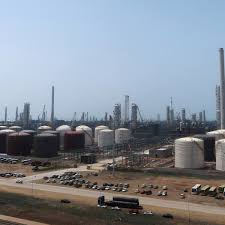
We watched as tensions simmered between superpowers, but few expected China to draw such a firm line in the sand over its independent oil refineries. On May 3, 2026, Beijing’s Ministry of Commerce unleashed a prohibition order, outright blocking United States sanctions against five key Chinese teapot refineries. This move, framed as a shield for national energy security, calls the US actions a breach of international law and signals a deepening rift in global energy trade. For everyday people relying on stable fuel prices, this standoff carries real stakes, from pump costs to supply chains that touch lives worldwide.
The Rise of China’s Teapot Refineries
Teapot refineries earned their nickname from small-scale operations that once resembled humble teapots, processing crude oil in modest batches. Today, these facilities in Shandong province stand as giants, handling millions of barrels daily and powering China’s voracious energy needs. They buy discounted crude from sanctioned sources like Iran and Venezuela, refining it into fuels that keep factories humming and trucks rolling across vast highways.
These refineries process about 2 million barrels per day, roughly 10 percent of China’s total capacity. Their agility lets them snap up cheap oil when others hesitate, stabilizing domestic supplies amid global volatility. Workers in Dongying city, where many teapots cluster, describe the acrid scent of refining towers at dawn, a reminder of jobs that sustain families through economic ups and downs. Yet their reliance on embargoed oil has long irked Washington, viewing it as a loophole undermining sanctions.
US Sanctions: A Pattern of Pressure
The United States has targeted teapots before, with measures in 2024 hitting giants like Shandong Hengli Petrochemical. This latest round aims at five unnamed refineries, accused of evading restrictions on Iranian and Russian oil. Treasury Department officials argue these sanctions curb funding for adversarial regimes, protecting allies like Israel and Ukraine from energy-backed aggression.
Picture a refiners’ boardroom in Houston, where executives pore over maps of global flows. US policy seeks to choke illicit trade routes, but China’s teapots adapt swiftly, sourcing from multiple origins. Critics in Washington say this resilience mocks American leverage, while supporters praise the refineries for keeping oil markets fluid. The human cost emerges in stories from sanctioned nations, where lost revenues strain public services.
Beijing’s Prohibition Order: Details and Rationale
China’s Ministry of Commerce acted decisively, declaring the sanctions unlawful under international norms. The order prohibits Chinese entities from complying, with penalties for those who do. Officials cited violations of World Trade Organization rules and basic trade sovereignty, positioning the response as a defense of economic lifelines.
“Energy security is non-negotiable,” a ministry spokesperson stated, evoking the chills of past shortages that left cities dark. This echoes China’s 2025 countermeasures against rare earth export curbs, showing a playbook of retaliation. For teapot operators, relief washes over like cool rain on parched fields; compliance could have idled plants, idling paychecks for thousands.
Legal Groundwork and Global Precedents
Beijing builds its case on the UN Charter’s respect for sovereignty, arguing extraterritorial sanctions infringe on neutral trade. Legal experts point to similar EU blocks on US measures against Cuba. A report from the World Trade Organization underscores disputes over unilateral actions, bolstering China’s stance.
Energy Security at the Core
China imports over 70 percent of its oil, making supply lines its jugular vein. Teapots buffer shocks, like the 2022 Ukraine war spikes that sent prices soaring. Families in Karachi or Karachi feel ripples through higher shipping costs, but in China, stable refining means breadwinners keep food on tables.
Imagine the hum of generators in rural Shandong, powered by teapot diesel. Disruptions here cascade to urban grids, factories, and exports. Beijing’s order safeguards this web, prioritizing citizens over distant geopolitics. Yet it risks isolating China from Western tech and finance, a tightrope walk for leaders.
Global Ripples and Market Reactions
Oil futures dipped 1.2 percent on the news, as traders eyed potential oversupply from unshackled teapots. Iranian crude discounts narrowed, benefiting Tehran. In the US, lawmakers decry the defiance, with Senate hearings slated for next week.
Europe watches warily, balancing Russian gas bans with Asian demand. Analysts at International Energy Agency forecast tighter balances if escalations persist. For consumers, this means watching gas gauges closely; a prolonged spat could nudge prices up 5 to 10 cents per gallon by summer.
Who Are the Five Targeted Refineries?
While names remain under wraps, insiders whisper of mid-sized players in Shandong and Hebei. Past targets like Yantai Dongming and Qingdao Changsheng processed over 500,000 barrels daily combined. Their survival hinges on domestic banks and suppliers ignoring US lists, a test of loyalty amid economic ties worth billions.
Broader US-China Frictions
This clash fits a pattern: tariffs, chip wars, South China Sea patrols. We see leaders in fog-shrouded summits, hashing out deals that falter. Empathy tempers our view; American workers fear job losses to cheap Chinese goods, while Beijing guards against encirclement.
Stories humanize the divide. A teapot engineer, sleeves rolled up amid steam vents, worries for his daughter’s future. In Delaware, a retiree laments pension dips from market jitters. Diplomacy offers paths forward, perhaps through neutral forums like the G20.
Implications for Businesses and Investors
Multinationals tread carefully. ExxonMobil and Shell, with China ventures, assess compliance risks. Investors eye teapot stocks, up 3 percent post-order, betting on resilience. Supply chain managers reroute cargoes, adding costs that filter to shelves.
Actionable steps emerge: diversify suppliers, hedge fuels, monitor WTO filings. For smaller firms, tools like real-time sanction trackers prove vital. This episode underscores energy’s weaponization, urging resilience over reliance.
Paths Forward: Dialogue or Deadlock?
We urge restraint, envisioning envoys bridging gaps over shared tables. Historical precedents, like the 2015 Iran deal, show compromise possible. China hints at reciprocity if sanctions lift; Washington demands verifiable compliance.
People-first outcomes matter most. Stable energy fosters growth, jobs, peace. As May 3’s order settles, eyes turn to reactions from Brussels, Tehran, Moscow. The world holds breath, hoping cooler heads prevail amid the heat of rivalry.
This defiance reshapes energy geopolitics, with teapots as unlikely heroes. Stay informed as developments unfold; our team tracks every twist.