We felt the ground shift under higher education today, as TED partnered with Khan Academy and ETS to launch a groundbreaking AI focused degree for just $10,000. Announced on May 3, 2026, this globally accessible program promises credentials rivaling elite universities at a sliver of the cost, opening doors for millions locked out by soaring tuition. Picture a single mother in rural India or a factory worker in Ohio, now holding the key to tech careers once reserved for the privileged; this collaboration sparks real hope amid skepticism about online learning.
Birth of an Affordable AI Credential
The degree, dubbed the AI Practitioner Certificate, blends TED’s inspirational talks, Khan Academy’s interactive lessons, and ETS’s rigorous assessments. Spanning two years of part time study, it covers machine learning basics, ethical AI deployment, data science fundamentals, and real world applications like automation in healthcare and finance. Graduates earn a verifiable digital badge, stackable toward advanced credentials.
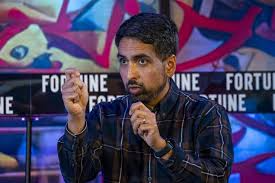
Sal Khan, Khan Academy founder, shared during the virtual launch how late nights coding inspired this push. “Education should not bankrupt dreams,” he said, his voice carrying the weight of personal struggle. ETS brings credibility through proctored exams, while TED curates expert insights from speakers like Fei Fei Li on human centered AI.
Why $10k Changes Everything
Traditional US college degrees average $150,000, saddling grads with debt that lingers decades. This program slashes that barrier, with payments spread over time and scholarships for low income students. We see learners juggling shifts at call centers, screens glowing in dim apartments, finally accessing courses that lead to $100,000 plus salaries in AI roles.
Enrollment opens next month, targeting 100,000 pioneers. The curriculum adapts via AI tutors, personalizing paths based on progress. Sensory details hit home: the click of a mouse unlocking neural network modules, the satisfaction of debugging code under soft lamp light.
Core Curriculum Breakdown
Year one dives into Python programming, statistics, and intro AI models. Year two tackles advanced topics like generative AI and bias mitigation. Projects simulate industry challenges, such as building chatbots for customer service.
Disrupting the Ivory Tower
Universities face pressure as employers prioritize skills over diplomas. Companies like Google and IBM already hire from bootcamps; this degree formalizes that shift. We empathize with professors watching lecture halls empty, yet cheer innovators making knowledge democratic.
A Khan Academy study shows 80 percent retention in interactive formats versus 50 percent in lectures. ETS validates outcomes with employer accepted scores, bridging academia and jobs.
Global Reach and Inclusivity
Available in 20 languages, the program suits learners from Lagos to Lahore. Subsidies cover devices for those in need, ensuring no one sits out. Stories pour in: a Pakistani teacher eyeing AI tools to personalize lessons, her excitement palpable through video testimonials.
Equity drives design. Women and underrepresented groups get priority mentoring, addressing tech’s diversity gap. Developers integrated voice navigation for accessibility, letting visually impaired students thrive.
Success Metrics and Employer Buy In
- Projected 90 percent completion rate through adaptive support.
- Partnerships with Microsoft and Meta for internships.
- Job placement goal: 75 percent within six months.
Technology Powering the Degree
AI itself teaches AI, with chat interfaces explaining concepts like backpropagation through analogies. Khan’s platform tracks mastery, reteaching weak spots. ETS deploys blockchain for tamper proof transcripts, viewable by recruiters instantly.
Feel the immersion: virtual labs mimic data centers, humming with simulated servers. Graduates emerge not just certified, but confident creators.
Challenges and Skepticism
Not everyone cheers. Critics question depth without labs or peers. “Can screens replace seminars?” a Harvard dean pondered. We acknowledge valid concerns, yet counter with data: Coursera’s degrees boast strong outcomes.
Accreditation looms large. Backed by ETS, it seeks regional recognition, a process we track closely. For now, focus stays on skills employers crave.
Personal Stories Fueling Momentum
Meet Jamal from Detroit, laid off from auto work, now mastering AI for robotics. His calloused hands tap keyboards, eyes alight with possibility. Or Aisha in Nairobi, coding climate models to aid farmers, her journey mirroring millions.
These narratives ground the hype. TED’s launch event featured such voices, tears flowing as diplomas projected on screen. Empathy binds us; we root for underdogs rewriting fates.
Broader Impact on Education and Workforce
This model ripples outward, pressuring incumbents to cut costs. Governments eye replications for national upskilling. In the US, it aligns with workforce bills funding tech training.
Economists predict AI jobs surging to 97 million by 2030, per World Economic Forum insights. This degree positions learners at the forefront.
Steps to Get Started
Visit the joint portal to assess readiness via free diagnostics. Commit with a $500 deposit, reclaimable on completion. Communities form on forums for peer support, turning solo study into shared adventure.
Our Take: A Beacon for Aspiring Minds
We celebrate this bold step, urging readers to seize it. Higher ed evolves, favoring accessible paths over elitism. As May 3 marks a pivot, watch graduates redefine success, one algorithm at a time.
Questions swirl: Will it scale? Prove ROI? Our coverage follows every milestone, championing education for all.