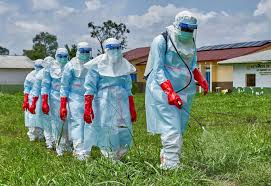
We are witnessing a fast moving public health emergency in eastern Democratic Republic of the Congo where clinics and referral hospitals have reported that they are at full capacity after a sudden surge in Ebola virus disease cases. The escalation has sent alarm through local communities and international health agencies, prompting emergency deployments, travel and funeral safety advisories, and urgent appeals for medical supplies and trained personnel. The human toll is immediate and the challenges are complex and urgent.
Where the outbreak stands and how it accelerated
Health officials in the affected provinces announced a sharp uptick in confirmed and probable Ebola cases over the last two weeks. Rural clinics first signaled unusual clusters of patients with high fever, severe weakness, vomiting, and unexplained bleeding. Case numbers then multiplied as patients sought care at crowded district hospitals and referral centers. Containment efforts that normally rely on rapid case detection, isolation, contact tracing and safe burials were overwhelmed when several treatment centers reached or exceeded their bed capacity, reducing the system capacity to isolate infectious patients quickly and safely.
How health systems collapsed under pressure
Local health facilities operate with limited stockpiles of personal protective equipment, intravenous fluids, and diagnostic reagents. The sudden surge has created immediate shortages of isolation rooms and trained staff able to manage high risk infectious patients. Triage tents erected outside clinics now host people waiting for tests under humid and cramped conditions where infection control is difficult. When we speak to nurses and community health workers they describe fatigue and fear. Some have self isolated after co workers tested positive, further thinning the workforce and eroding institutional resilience.
Human stories from the ground
Families tell of frantic searches for space in treatment centers. A relative of a patient we spoke with recalled the heavy, metallic smell of hospital wards and the sight of blue protective gowns stacked like fragile armor. Villagers described funerals that became superspreading events before safe burial teams could arrive. One community leader described standing beside a riverbank watching grieving relatives keep vigil and worrying that customary touching of the body could spread the disease. Those scenes humanize the abstract numbers and reveal why local trust and culturally sensitive engagement are essential to containment.
International response and deployments
International agencies have flagged the outbreak as a serious and growing emergency and mobilized technical support. Medical teams with outbreak experience are being deployed to support case management and infection prevention, and mobile laboratories are moving in to shorten diagnostic turnaround time. The World Health Organization and partner NGOs are coordinating shipments of personal protective equipment and therapeutics where available. For clinical guidance and empiric treatment options health workers are relying on international resources such as WHO clinical management protocols and Emergency Use Authorization frameworks for therapeutics and vaccines.
Vaccines, therapeutics, and diagnostics
Unlike earlier decades, there are licensed Ebola vaccines and therapeutics that can dramatically reduce mortality if deployed rapidly. Ring vaccination strategies targeting contacts and frontline workers are being planned to limit further spread. However logistical constraints complicate vaccine delivery. Cold chain requirements, security concerns in some areas, and the need to identify contacts rapidly limit immediate scale up. Diagnostic delays also hamper clinical decisions because laboratory confirmation may take days without in field PCR capacity. Rapid antigen tests can help but their sensitivity is lower and they must be used carefully.
Community engagement and cultural considerations
Community behavior affects both disease transmission and the effectiveness of response efforts. Burial rites and caregiving practices are central to transmission dynamics. Local leaders and trusted community health volunteers play a critical role in explaining why isolation, modified rituals, and vaccination are necessary. Successful interventions combine culturally sensitive health messaging with practical support such as dignified safe burial services and food or cash assistance for quarantined households. Heavy handed measures that ignore local norms risk driving cases underground and amplifying spread.
Security and access challenges
Some affected areas face security constraints that limit the movement of health teams and supplies. Roadblocks, armed group activity, and intermittent communications blackouts slow deployments and complicate data reporting. Those gaps increase the risk of undetected transmission chains and complicate contact tracing. Humanitarian and health organizations must coordinate closely with local authorities and neutral mediators to secure safe corridors for response teams.
What neighboring countries and travelers should know
Authorities in neighboring states are strengthening cross border surveillance, screening at points of entry, and community reporting networks to detect any spread beyond national borders. Travelers should follow official guidance from health ministries and international agencies and avoid nonessential travel to affected zones. Health checks at airports and land crossings can identify symptomatic travelers but asymptomatic incubation means vigilance and rapid notification systems remain essential.
What needs to happen next
Rapid scale up of testing, ring vaccination, and case management capacity is critical. That requires immediate delivery of medical supplies, expansion of isolation capacity with temporary treatment units, and reinforcement of trained clinical teams. Equally important is investment in contact tracing and community engagement so cases are detected early and contacts vaccinated and monitored. Donors and international partners must act quickly to fund surge operations while local health systems rebuild capacity for sustained surveillance.
Longer term implications for health security
The outbreak underscores structural vulnerabilities in fragile health systems. Strengthening primary care, laboratory networks, and public health workforce capacity reduces the chance that future outbreaks will spiral. Investments in cold chain infrastructure and regional emergency stockpiles make vaccine deployment faster. Improved real time data systems help track trends and coordinate a measured response across provinces and borders.
Where to find reliable information
For updates on case counts and technical guidance consult the World Health Organization situation reports and the Democratic Republic of the Congo Ministry of Health communications. These platforms host verified guidance on symptoms, when to seek care, and how families can cooperate safely with response teams.
Closing perspective
We recognize the fear that accompanies outbreaks of severe disease and the strain placed on communities and clinicians who must carry both grief and responsibility. The rapid escalation in the Democratic Republic of the Congo calls for urgent, coordinated action rooted in science and community partnership. If the international community and local leaders move with speed, transparency, and respect for local practices the outbreak can be contained. The coming days will test that capacity and the resilience of the people on the front lines.