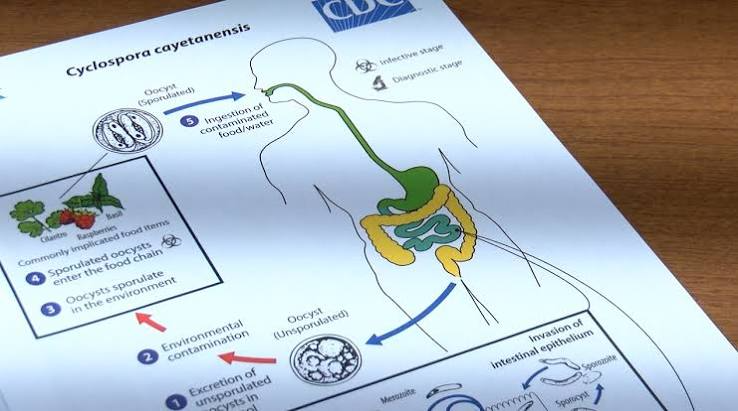
We are tracking a fast moving foodborne illness outbreak that has sickened thousands across the United States as health authorities sound alarms about contaminated greens. On July 17 and 18, 2026, state and federal agencies reported a sharp rise in cyclosporiasis cases linked to salad greens and shredded lettuce, with the Midwest hardest hit and clusters appearing in more than 30 states. Families describe days of relentless watery diarrhea, cramping and fatigue, while hospitals prepare for surges and investigators race to pinpoint the exact source.
What we know about the outbreak
Multiple jurisdictions are reporting increases compared to the same period in 2025, with the CDC noting more than 1600 confirmed domestic cases and thousands more pending analysis. Michigan has reported over 5000 cases, with more than 100 hospitalizations. The FDA announced an investigation into a multistate cluster tied to certain shredded iceberg lettuce from Mexico served at select Taco Bell locations in Indiana, Kentucky, Michigan, Ohio and West Virginia. Preliminary findings in several states point to lettuce or salad greens as a potential source, though no single grower or supplier has been definitively identified for the broader national surge.
Cyclospora is a microscopic parasite that infects the small intestine and spreads through food or water contaminated with feces. Symptoms typically begin about a week after exposure and can include watery diarrhea, loss of appetite, weight loss, stomach cramps, bloating, nausea and fatigue. Illness can last weeks without treatment and may relapse. People with weakened immune systems, older adults and young children face higher risks of severe dehydration and complications.
How the outbreak is unfolding
Case counts have climbed rapidly since early July, with the CDC reporting 34 states documenting domestically acquired infections. The FDA and state partners are conducting traceback investigations to locate the farm or farms where contamination may have originated. In Michigan, preliminary findings suggest lettuce or salad greens are the likely source. In the Midwest cluster, the FDA flagged specific shredded iceberg lettuce from a region in central Mexico that accounts for less than 1 percent of the U S iceberg lettuce supply. The supplier, Taylor Farms, said it is voluntarily removing all iceberg lettuce sourced from that region from the U S market.
We are seeing a pattern that mirrors past cyclosporiasis seasons. Outbreaks tend to peak between May and August, often tied to fresh produce such as cilantro, basil, raspberries, snow peas and leafy greens. The current surge is notable for its speed and geographic spread, with at least 31 additional states reporting cases beyond the core Midwest cluster. The true number of infections is likely higher because many people recover without seeking medical care or being tested.
What health authorities are doing
The CDC, FDA and state health departments are working in tandem to identify and confirm sources, update case counts and issue guidance for consumers and food service operators. The CDC will publish updated data more frequently during this outbreak season to help jurisdictions respond quickly. In affected areas, health agencies are advising restaurants and retailers to follow strict food safety practices, including discarding outer layers of leafy greens, rinsing produce under running water and avoiding cross contamination. For produce that can be cooked, heating to at least 158 degrees Fahrenheit is the safest option because the parasite is resistant to routine chemical disinfection and washing alone may not remove it.
In Michigan, the Department of Health and Human Services issued additional recommendations for entities preparing, processing or serving raw produce. Guidance includes buying whole heads of lettuce rather than prewashed bagged mixes, discarding the outer 2 to 3 layers of leaves and washing inner leaves under running water. For cilantro and basil, officials recommend thorough washing and cooking when possible. For raspberries, which have a bumpy surface where the parasite can hide, officials suggest using frozen berries or cooking them into pies and jams.
What consumers should do now
If you are worried about exposure, start by checking announcements from your state health department and federal agencies for specific product recalls or advisories. If you have symptoms such as watery diarrhea, stomach cramps or fatigue that last more than three days, contact your healthcare provider. Cyclosporiasis is treatable with prescription antibiotics, and seeking care promptly is important, especially for people with weakened immune systems.
For those preparing meals at home, practical steps can reduce risk. Discard outer layers of leafy greens and rinse all produce under clean running water before peeling or cutting. Use a clean vegetable brush on firm produce. Do not use soap or bleach on fruits and vegetables. Clean countertops, cutting boards and utensils with hot soapy water. Wash hands with warm water and soap for at least 20 seconds before and after handling food. If you are in a group at higher risk, consider cooking produce when possible and avoiding raw salads until the outbreak is under control.
Action checklist for households
– Monitor state health advisories and FDA notices for recalls tied to lettuce or salad greens.
– Discard outer layers of leafy greens and rinse produce thoroughly under running water.
– Avoid using soap or bleach on produce and prevent cross contamination in the kitchen.
– Seek medical care if diarrhea or other symptoms last more than three days or if you are immunocompromised.
– Keep children and older adults hydrated and watch for signs of dehydration such as dizziness, dry mouth or reduced urination.
Human stories from the front lines
We spoke with parents who described nights of caring for children too weak to keep fluids down, and adults who missed work for weeks after a single meal at a casual restaurant. A nurse in Michigan told us about a surge in patients arriving dehydrated and exhausted, some needing intravenous fluids. A small business owner in Ohio said the outbreak forced a temporary switch to cooked menu items and added costs for extra sanitation. These accounts reflect the human toll behind the case numbers and the strain on families already navigating summer schedules and travel plans.
Why greens are a recurring culprit
Cyclospora spreads through fecal contamination of food or water, and fresh produce can pick up the parasite during growing, harvesting or processing. The parasite is resistant to standard chlorine based sanitizers used in many commercial washing processes, which means routine rinsing may not reliably eliminate it. Past outbreaks have been linked to imported cilantro, raspberries and leafy greens. The current surge underscores the challenge of ensuring safety across complex supply chains that move produce across borders and through multiple handling points before it reaches consumers.
Where to get reliable updates
The clearest sources for real time information are official public health platforms. The CDC maintains a surveillance page with case counts and guidance for the public and providers. The FDA posts outbreak advisories and product specific notices, including the recent alert on shredded iceberg lettuce from Mexico served at select Taco Bell locations. State health departments often provide the most timely local guidance, including recommendations for residents and food service operators.
For current case counts and prevention advice use the CDC cyclosporiasis surveillance page, and for product notices and consumer guidance refer to the FDA cyclospora resource page CDC cyclosporiasis surveillance and FDA cyclospora food safety guidance.
What we will watch next
We expect case counts to continue rising as reports reach the CDC, with a typical reporting lag of several weeks. Investigators will update findings as traceback work identifies specific farms or suppliers. State agencies may adjust guidance for restaurants and retailers based on local conditions. Our reporting will track new advisories, practical steps for consumers and first person accounts from affected communities. If you have information about a local cluster or recall, share it so we can bring the most accurate and useful updates to readers.