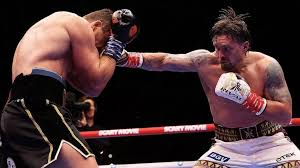
We witnessed a fight that will be dissected for months as Oleksandr Usyk staged a dramatic late turnaround to claim a contentious stoppage against Rico Verhoeven on May 24, 2026. What began as a measured, tactical heavyweight contest turned chaotic in the final seconds, leaving fans, pundits, and both camps divided over whether the referee acted correctly. The atmosphere inside the arena felt electric and uneasy at once, like a celebration cut short by doubt.
Scene and stakes
The bout took place in front of a global pay per view audience and a sold out arena where the lights felt warmer than usual and the air smelled faintly of sweat and anticipation. Usyk entered with the calm, purposeful gait of a man who has remade his career across weight classes. Verhoeven, known for his power and aggression, walked through a wall of noise with a jaw set for war. The match carried heavy stakes for world rankings and legacy for both fighters and promised a stylistic clash between Usyk procedural precision and Verhoeven raw force.
How the fight unfolded
The opening rounds were chess like with Usyk using footwork and lateral movement to score off angles while Verhoeven tested timing with probing jabs and overhand rights. Usyk targeted the body and head with combinations that earned thin applause. Verhoeven landed the cleaner single shots that buzzed the crowd and drew blood in the fourth round. Mid fight, the momentum oscillated as both men adjusted. Usyk’s superior ring generalship kept him out of sustained danger, but Verhoeven’s thunder occasionally reminded everyone of his finishing potential.
The final rounds and the decisive sequence
As the championship rounds arrived the pace intensified. Verhoeven pressed forward with more urgency while Usyk conserved energy and picked shots. The decisive moment arrived with less than a minute remaining. A flurry of punches from Verhoeven appeared to stagger Usyk who slipped against the ropes. What followed happened quickly and under enormous pressure. The referee stepped in and waved the fight off, signaling a stoppage in the final moments while Usyk still appeared to be attempting to steady himself and display defensiveness.
Why the result is controversial
The controversy rests on whether the referee correctly judged Usyk unable to intelligently defend. Supporters of Verhoeven argue that Usyk was visibly responsive, controlling his hands and moving his head, and that the stoppage denied a full opportunity to recover in a fight that was otherwise very close. Supporters of Usyk contend that the referee prioritized fighter safety in a high stakes situation when a heavy flurry could have turned catastrophic. Ringside replays provided mixed signals because the action was compressed and the fighters were entangled with ropes and motion blur from cameras.
Reactions from the camps and officials
Verhoeven’s corner immediately protested at ringside. They demanded clarification and suggested a possible appeal to the sanctioning body. Verhoeven himself left the ring visibly frustrated, his voice raw when he told reporters he felt robbed of an opportunity to finish the bout. Usyk celebrated with a restrained relief, acknowledging the contentious nature of the outcome and insisting he felt the stoppage was within the rules. The regulatory commission said it would review the stoppage and examine referee positioning and race conditions before deciding whether any further action was warranted.
What this means for both fighters
For Usyk the win preserves his momentum and keeps alive narratives about his grit and tactical acumen in world level fights. Even so, debate over the finish will follow and shape his immediate legacy moments. For Verhoeven the result is a profound frustration that could spur calls for a rematch and affect his ranking and marketability. Both fighters stand to gain commercially from the controversy because audiences often crave resolution and are likely to demand a sequel.
Historic parallels and sporting ethics
Boxing has a long history of disputed stoppages that later became chapter markers in careers. Some refereeing decisions have been overturned by appeals while others remain as permanent footnotes. The ethical tension is simple and persistent: the referee must make a split second call to protect a fighter from avoidable harm while preserving the integrity of the contest. Those demands are sometimes conflicting under pressure and amid the roar of a crowd.
How commissions and broadcasters handle disputes
Sanctioning bodies generally permit reviews on procedural grounds such as referee misapplication of rules or interference from external factors but rarely overturn a legitimate stoppage. Broadcasters and promoters often frame a rematch quickly when public demand mounts because controversy sells tickets and subscriptions. Independent review panels can examine video, referee positioning, and medical reports to inform future referee training and to determine whether disciplinary steps are needed.
Fan and analyst perspectives
Across social platforms pundits parsed frame by frame and fans split into camps with passionate, sometimes heated debates. Some analysts highlighted that referee distance and line of sight mattered more than the actions themselves because an obstructed view can force precautionary intervention. Others asked whether additional rules or clearer intervention protocols should exist for late round stoppages to increase consistency. The broader conversation touched on fighter safety, inconsistent officiating, and the commercial pressures that cascade from controversial endings.
Next steps and likely outcomes
We expect the regulatory commission to release a statement summarizing their review within days and to archive footage to guide referee education. An immediate rematch between these two fighters seems probable given public interest and competitive stakes. Promoters will weigh venue, timing, and contractual rematch clauses while both camps consider adjustments to strategy and conditioning to avoid similar scenarios in a sequel.
Where to read more
For context on rules governing stoppages and officiating standards consult the World Boxing Council rules page and the International Boxing Association guidance on refereeing and fighter safety. These resources help explain how commissions balance rapid decision making with athlete protection and can clarify why some stoppages remain contested.
Closing thoughts
We recognize the raw emotions that follow such moments. The stoppage gave Usyk a victory that will be debated in locker rooms and living rooms alike. It denied Verhoeven a full finish he believed was possible and left the sport with a storyline that will likely culminate in another high profile meeting. For fans who care about fairness and safety the episode is a reminder that boxing remains a sport of split second judgments and human fallibility. That tension is part of what makes the sport compelling and what ensures each controversial moment fuels the next chapter.