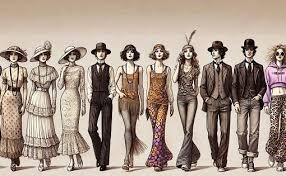
On May 25, 2026, comprehensive consumer data showed a decisive shift in global taste: audiences are favoring creator led fashion curation and personal lifestyle storytelling over traditional institutional style columns. The trend reflects not only changing attention patterns but also a deeper craving for authenticity and guidance from people whose lives and wardrobes feel accessible and immediate.
Why creators now outshine legacy fashion pages
Legacy fashion journalism built authority through curated photoshoots, editorial calendars and seasonal critiques. Creators win trust through proximity. They share routines, outfit try ons, purchase tradeoffs and candid reflections in real time. Audiences respond to the sensory cues of a creator unboxing a fabric, describing how a garment moves against skin or comparing sizes while laughing at a fit that did not work. Those tactile details and the conversational voice foster a sense of companionship that static columns rarely replicate.
The emotional logic of personality led curation
Creators calibrate content to the lived context of followers. A mid career professional who juggles commute, kids and evening events will often prefer a creator who shows capsule wardrobes that fit that life rather than a seasonal trend piece that feels theoretical. Creators also lower the friction to purchase by offering try on clips, short styling tutorials and direct links to items. That immediacy turns inspiration into action in minutes, while institutional features can feel aspirational but distant.
How platforms facilitate direct relationships
Modern digital platforms provide tools that make creator content discoverable, shoppable and repeatable. Short form video formats, live streams and community features allow creators to demonstrate garments from multiple angles, answer questions in real time and archive wardrobe guides with searchable timestamps. Algorithms reward engagement, not pedigree, so creators who are consistent and conversational can outpace legacy outlets even if they lack institutional budgets.
Creator economies and monetization models
Creators use a mix of affiliate links, membership tiers, sponsored partnerships and direct to consumer collaborations to sustain their work. Memberships often bundle exclusive styling sessions, early access drops and downloadable shopping guides. These revenue streams build a closer exchange between creator and community. For many consumers that direct economic relationship feels more transparent and fair than a traditional advertisement placed beside an editorial spread.
What heritage fashion houses and publications are doing next
Established publications and heritage brands are not standing still. Many are hiring creators as columnists, commissioning short serialized video and experimenting with interactive shoppable edits that mimic creator playbooks. Others invest in community editors who host live Q and A sessions or curate micro collections aimed at niche audience cohorts. Yet the transition is not trivial. Institutional processes for fact checking, legal clearances and brand partnerships can slow responsiveness, and that delay is costly when cultural moments move quickly.
Case studies in institutional adaptation
One major style magazine launched a creator affiliate network that pairs staff editors with independent creators to co produce capsule edit videos. The magazine contributes research, studio access and legal support, while creators bring audience trust and platform savvy. Early results show higher conversion rates for co produced content than for traditional long form features alone.
Trust, transparency and the layers of influence
Creator led commerce raises questions of transparency. Consumers must distinguish between genuine recommendations and paid promotions. Many creators now include clear disclosures, itemized sponsorship notes and post purchase feedback from followers to preserve credibility. Platforms and regulators are also enhancing disclosure rules to ensure that paid partnerships are visible and that endorsements do not mislead readers about product performance or returns policies.
Quality signals that matter to audiences
Audiences judge credibility through consistent voice, thorough testing and community validation. A creator who repeatedly recommends items that fit real life and describes both strengths and compromises builds a durable reputation. That reputation can rival institutional authority because it is grounded in repeatable, observable outcomes that followers can verify through comments, duets and shared photos.
Impacts on retail, design and supply chains
Retailers and designers adapt by shortening design to shelf cycles, offering smaller capsule drops and partnering directly with creators for launch windows that match social peaks. Supply chains that can react quickly to creator driven demand see immediate uplift, while those built for long term seasonal orders struggle. The result is a mixed marketplace where micro runs, pre orders and limited collabs coexist with steady staples sold through traditional wholesale.
Data driven product development
Creators produce granular signals about fit, fabric preference and color popularity. Smart brands ingest this feedback to refine sizing and material choices and to prioritize production lines that match actual user needs. That iterative loop reduces overproduction risk and aligns inventory with demonstrable desire rather than forecasted trends alone.
Social inclusion and stylistic plurality
Personality led platforms often foreground diversity of body types, cultural reference points and price ranges. Creators from varied backgrounds show how similar items function across different shapes and budgets, which widens the conversation beyond aspirational editorials to include realistic options for more people. That plurality matters not simply for representation but for practical purchasing decisions where fit and lifestyle compatibility determine satisfaction.
Challenges ahead for creators and institutions
Creator fatigue, platform algorithm changes and commercial pressure create fragility. Creators face the practical burdens of content production, tax complexity and audience management while institutions wrestle with legacy costs and slower decision cycles. Both sides need systems that preserve editorial standards, ensure fair compensation and maintain transparency so consumers can make informed choices.
Policy and consumer literacy
Regulators and consumer advocates are increasingly active on disclosure rules, influencer contracts and return policies. For readers seeking reliable guidance, resources from established consumer protection agencies and media literacy organizations provide checklists for evaluating product claims and sponsorships. The Federal Trade Commission in the United States and counterpart agencies globally maintain guidelines on endorsements and online advertising that are useful for both creators and brands.
Where to follow further reporting
Readers who want a broader view of creator economies and media transitions can consult industry research from established media analysis firms and marketplace reports from leading consultancies. For practical guidance on vetting creators and sponsored content consumers can consult regulator guidance and media literacy groups that publish best practice checklists.
How this trend touches daily life
The shift toward personality led fashion curation is ultimately about human connection. Style becomes a conversation rather than a lecture. Consumers pick not only what to wear but whom to trust with those choices. For many that feels like a relief: shopping guided by a voice that understands the weight of a morning commute, the need for breathable fabrics in humid weather and the relief of a small wardrobe that simply works. As platforms continue to empower individuals over institutions, the most confident brands and publications will be those that listen, collaborate and preserve the public service impulse of honest guidance.