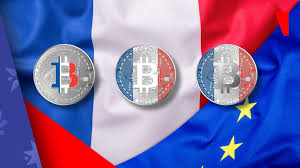
On May 30, 2026 France enacted an experimental legal framework for online video games that use blockchain based Monetisable Digital Objects called JONUM. The law creates a regulated space where tokenized in game items can be bought sold and monetised while drawing a clearer legal line between competitive gaming and gambling. I attended the parliamentary briefing and spoke with developers players and regulators as they described an approach meant to protect consumers preserve cultural creativity and allow responsible innovation to proceed under judicial oversight.
What the framework does and why it stands out
The new regime classifies JONUM as traceable digital objects that carry monetisation features but do not automatically transform gameplay into a wager. Issuers must register digital object models provide transparent reserve accounting if an object is redeemable for value and implement age verification and consumer protection measures. Regulators framed the law as experimental because it will operate under a time bound pilot that gathers data on market conduct, youth exposure and platform fairness. France positions this as a middle way that seeks to prevent gambling style mechanics from proliferating while allowing developers to offer legitimate play to global audiences.
How the rules draw the legal boundary
At the core of the framework is a functional test that distinguishes monetisable object features that create gambling risk from those that do not. Mechanics that allow players to stake money for chance based outcomes are defined as gambling and remain subject to the strict licensing regime enforced by the Autorité nationale des jeux. Conversely activities where value accrues through skill based competition, transparent marketplaces and peer to peer trades fall within the JONUM pilot provided they meet disclosure and anti money laundering safeguards. Officials emphasized that classification will depend on game design and on whether random chance materially determines financial outcomes.
Protections for young players and consumers
Protecting minors was a central theme. The law requires robust age verification, spending limits and cooling off periods for new accounts. Platforms must display clear cost disclosures and issue regular statements detailing purchases, trades and fees. Developers must supply easy to access dispute resolution channels and contribute to a consumer protection fund that can compensate harmed users in cases of proven misconduct. Parents and youth advocates I spoke with welcomed the emphasis on transparency but pressed for independent audits and stronger enforcement tools to ensure rules are actually followed.
Transparency, custody and traceability requirements
Because JONUM objects are tokenised, the law mandates auditable ledgers and proof of reserve statements when tokens represent off chain value or rights. Platforms offering secondary markets must implement provenance records that show lineage of items and flag suspicious trading patterns that may indicate wash trading or market manipulation. The law also sets technical standards for custody and key management for issuers that hold pooled assets on behalf of users, requiring multisignature controls and third party attestations to reduce single point of failure risks.
Industry reaction and development community views
Developers offered mixed reactions. Independent studios praised legal clarity and the chance to monetise creative economies without fear of gambling prosecution. One studio lead said the rules allow them to reward competitive play and build sustainable economies around cosmetic items while maintaining player trust. Larger publishers raised concerns about compliance costs and the burden of registration for frequent content updates. Several companies called for harmonised EU level standards to avoid fragmentation of rules across member states.
Economic and cultural stakes
France framed JONUM as cultural policy as well as consumer law, arguing that fair rules can help its creative industries monetise digital works and export interactive media. Cultural ministers argued that tokenised objects could support independent creators through new revenue streams and build secondary markets that keep economic value circulating within creative communities. Critics worry that commercialisation might pressure developers to prioritise monetisation over gameplay design, an argument that shaped many of the consumer safeguards included in the law.
Enforcement, oversight and the experimental scope
The pilot approach places oversight with a dedicated unit that will coordinate between the gaming regulator the financial authority and the national gambling commission. That unit will collect data on uptake, consumer complaints and financial flows and submit public reports at set intervals. France intends to use the pilot data to refine rules or propose EU wide norms. The time limited nature of the experiment gives policymakers room to iterate while making clear that any permanent regime will depend on measured outcomes rather than hopeful predictions.
Cross border and blockchain considerations
Because many game economies and marketplaces are multinational, the framework addresses cross border complexity by requiring platforms accessible to French users to register and comply with French consumer protections even if servers are abroad. That extraterritorial reach may prompt legal challenges and will require cooperation with other jurisdictions. Technically the law avoids mandating specific blockchain protocols but calls for interoperability standards so that item provenance and transaction records remain verifiable across different ledger implementations.
Voices from players and parental groups
Players I interviewed appreciated clarity about what is allowed and what is not. A competitive gamer welcomed the distinction between skill based staking and pure chance based mechanics saying it preserves the integrity of esports while keeping exploitative loot systems in check. Parents expressed relief at spending limits and clearer billing statements but asked for swift enforcement when violations occur. Those human voices made clear that the stakes are not abstract legal concepts but everyday decisions about pocket money, online time and children trust in platforms they use.
Potential ripple effects across Europe
France hopes its experimental frame will inform broader EU policy. Brussels has signalled interest in harmonising rules for tokenised digital goods and gambling interfaces but has not settled on a one size fits all approach. If the French pilot yields evidence that consumer harms can be reduced without stifling creative monetisation, other member states may adopt similar models. Conversely, if enforcement proves weak or market loopholes persist, the program could prompt calls for tighter continental regulation.
Further reading and regulatory context
For legal context on gambling regulation see the Autorité nationale des jeux publications and for blockchain related consumer protections the European Commission reports on digital services provide useful background. Industry associations and academic centers have also published analyses of tokenised virtual economies that inform technical and economic aspects of the new framework.
Would you like a follow up article that examines three recent JONUM game launches in detail including their economic models age verification workflows and early compliance challenges so readers can see concrete examples of how the law is applied