On May 30, 2026 leading researchers policymakers and industry watchdogs gathered for a global nutrition summit that reframed public health priorities toward maintaining function and quality of life rather than merely extending years. The event elevated two practical interventions to center stage: aggressive promotion of dietary fiber for gut health, often called fibermaxxing, and population level sodium reduction paired with increased potassium intake to meet new World Health Organization targets. I sat through sessions with clinicians community health workers and food industry leaders and walked the exhibition floor where startups displayed fiber rich products and reformulated snacks that trade salt for potassium rich ingredients.
Why healthspan matters more than adding years alone
Speakers argued that living longer without good health imposes heavy costs on individuals families and health systems. Healthspan measures the years a person remains free of disabling chronic disease and able to perform daily activities. Researchers explained how modest changes in diet can shift risk trajectories for cardiovascular disease type 2 diabetes and frailty, producing outsized gains in functional years. That argument resonated with patients I met who preferred mobility and independence over incremental lifespan extensions obtained through medical interventions alone.
Fibermaxxing and the science of the gut
Fibermaxxing describes a consumer driven push to increase intake of dietary fiber through whole foods and fortified products to support gut microbial diversity and metabolic health. At the summit gastroenterologists and microbiome researchers presented converging evidence that diverse fiber sources feed beneficial bacteria that produce short chain fatty acids. Those metabolites help regulate inflammation glucose metabolism and gut barrier integrity. A clinician described a patient who replaced several processed snacks each week with whole grain porridge and legumes and observed steady improvements in blood sugar and energy within months, illustrating how simple dietary swaps can yield measurable health gains.
Public health implications of higher fiber intake
Population level increases in fiber intake reduce incidence of colorectal cancer improve bowel regularity and help with weight regulation. Yet global consumption remains well below recommended levels in many countries. Policy proposals discussed at the summit included clearer front of pack labeling fiber targets in public procurement such as school meals and incentives for food manufacturers to reformulate products with whole grain flours pulses and resistant starch. Community programs highlighted success when local markets connected smallholder producers of pulses and whole grains with school feeding programs, creating a supply response that benefits both nutrition and local economies.
Potassium forward sodium reduction as a dual strategy
Cardiologists and nutritionists emphasized that cutting sodium while increasing dietary potassium provides a strong one two effect on blood pressure control. Potassium counters sodium driven fluid retention and supports vascular function. WHO targets now call for population sodium reduction with parallel potassium promotion through fruits vegetables legumes and potassium salt substitutes where appropriate. I attended a panel where public health officials described reformulation pilots that replaced part of sodium chloride with potassium chloride in common condiments and reported average systolic blood pressure reductions in pilot communities within months of roll out.
Consumer adoption and taste challenges
Taste acceptance remains a barrier when lowering salt or raising potassium through substitutes. Food scientists at the summit showcased techniques that preserve savory perception including umami enhancers, modifications in particle size and gradual salt step down approaches to reset consumer preference. Several companies displayed snack prototypes that used sun dried tomato powder seaweed and fermented umami extracts to deliver satisfactory flavor while lowering sodium content. Early consumer tests suggested that gradual reformulation combined with clear labeling and marketing campaigns can maintain product sales while delivering public health benefit.
Equity, access and cultural fit
Delegates stressed that policy must account for cultural foodways and socioeconomic constraints. In regions where fresh produce is costly or seasonal the summit showcased interventions such as community gardens urban farming subsidies and distribution programs that bring potassium rich produce to low income neighborhoods. Speakers from Indigenous communities urged policymakers to respect traditional diets and support local supply chains that sustain both nutrition and cultural identity. These human centered approaches aim to avoid one size fits all prescriptions that fail when they ignore lived realities.
Industry role and regulatory levers
Food manufacturers face reputational and commercial choices. Some embraced voluntary reformulation commitments, transparent labeling and investments in healthier product lines. Others warned about regulatory uncertainty and the costs of reformulation. Public health advocates urged stronger regulatory levers where voluntary action stalls, such as mandatory sodium targets public procurement standards and fiscal incentives for whole food production. The summit highlighted how sustained public private collaboration combined with independent monitoring yields the best results in large scale nutrition shifts.
Behavioral nudges and community programs
Experts emphasized behavioral design interventions that make healthier choices easier. Simple nudges such as placing fruit at checkout points, offering smaller portion default sizes and using clear front of pack information on fiber and potassium content can change choices at scale. Community programs that pair cooking demonstrations with vouchers for produce or that integrate nutrition counseling into maternal and child health services found higher uptake than information campaigns alone. Those examples underscored the need for supportive environments alongside information.
Measuring impact and the research agenda
Speakers called for standardized metrics to measure healthspan improvements at population level, linking dietary shifts to functional outcomes such as mobility, independence and chronic disease onset. Longitudinal cohort studies and pragmatic trials in real world settings will be central, along with better biomarkers that reflect gut health and cardiovascular risk. Funders announced new grants for implementation science and for trials comparing whole food interventions with fortified product strategies to determine which pathways most effectively improve long term function.
Voices from patients and practitioners
A retired teacher shared how adding more beans and whole grain bread to her diet lowered her blood pressure without additional medication and gave her more stamina for gardening. A community nurse described home visits that focused on practical food preparation and portioning rather than prescriptive diets, and reported better adherence among older adults. These voices underscored that policy recommendations must translate into everyday choices that feel attainable and respectful.
Practical takeaways for readers
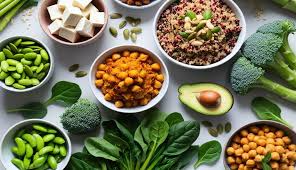
Clinicians at the summit recommended pragmatic steps individuals can try immediately: increase whole grains and pulses, swap refined snacks for fruit and nuts, use potassium rich ingredients such as bananas orange sweet potatoes and leafy greens, and gradually reduce visible and hidden salt in cooking. For families and community leaders, the guidance emphasized access measures such as community procurement, school meal targets and local market support to ensure changes are affordable and sustained.
For further technical guidance see World Health Organization resources on sodium reduction and the latest consensus reports on dietary fiber from nutrition societies. Would you like a short explainer that lists high fiber recipes and simple swaps to lower sodium while boosting potassium for a printable community handout