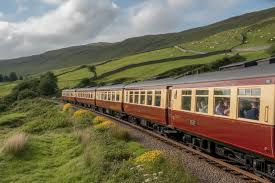
May 31 2026 Major hotel groups including Belmond and Accor are spearheading a strategic shift in luxury travel by offering single booking ecosystems that combine flagship hotel stays with direct access to private sleeper trains and open sea charter yachts. This move reimagines how affluent travelers plan journeys by integrating accommodation dining and transport under one seamless reservation and service umbrella.
What the announcement means for high end travelers
The most visible change will be booking simplicity. Guests who once stitched together hotel nights private train cabins and yacht charters through multiple agents will soon reserve an entire door to door itinerary from one brand. That single point of sale covers lodging meals transfers and curated experiences with consolidated billing and loyalty points. For travelers who prize time and predictability this reduces friction and delivers a coherent narrative across every stage of a trip.
Sensory and service continuity
Imagine waking in a villa suite with linen scented lightly with local jasmine stepping into a chauffeured car to a private train whose dining car serves a breakfast menu that echoes the hotel chef s signature dishes. Later you disembark at a coastal port where a branded yacht drifts offshore with crew who already know your dietary preferences and preferred onboard music. This continuity extends beyond branding to tactile comforts and personnel memory that make a trip feel like one maintained conversation rather than three separate transactions.
Why hotel groups are moving this direction
Institutions such as Belmond with its history of luxury trains and Accor with a broad global portfolio see a strategic opportunity to control the guest experience across touchpoints. Owning or partnering with rail and maritime assets lets them protect margins gather richer customer data and strengthen loyalty. It also answers a market appetite for deeply personalized experiential travel that commands premium pricing and repeat visitation.
Economics and operational logic
Financially this model reduces reliance on third party providers for high value segments. Operators can optimize yield by packaging high margin ancillary services alongside rooms and they can smooth seasonal demand by offering multi modal itineraries in shoulder months. On the operations side integrated scheduling inventory management and uniform training reduce service variation and complaints which in turn supports higher net promoter scores.
Industry implications for partners and competitors
Tour operators private yacht firms and independent rail companies will face new competitive pressure and new partnership opportunities. Some operators will align with hotel groups as white label partners providing vessels and carriages under strict service level agreements. Others will be squeezed out if they cannot meet brand standards or integrate technologically. For independent travel advisors the change brings both risk and advantage. Advisors who adapt by becoming specialists in these unified ecosystems will retain relevance; those who do not may lose business to direct brand bookings.
Regulatory and labor considerations
Bundling hospitality with transportation raises regulatory questions around consumer protection baggage liability and cross border operations. Labor practices will also draw scrutiny where hotel staff are expected to service rail or maritime segments. Companies will need robust compliance frameworks and worker agreements that respect maritime and rail labor law as well as hospitality standards. Transparent contract terms will be essential for avoiding consumer disputes over cancellations and refunds across interconnected legs of a journey.
What travelers should expect and how to prepare
Travelers booking these ecosystems should anticipate clearer itineraries a single customer service desk and combined loyalty benefits. They should read bundled contract terms carefully to understand cancellation policies for each component and for the whole package. Travelers with complex mobility needs should confirm accessibility features across hotel rooms train cabins and yachts since standards may vary. Travelers who value privacy should verify how data is shared across partners and request data minimization where possible.
Booking checklist for a seamless journey
- Confirm which elements are guaranteed and which are subject to substitution for operational reasons such as vessel changes or route adjustments.
- Ask how loyalty points and elite status benefits apply to train and yacht legs and whether room upgrades extend to cabins or suites aboard partner vessels.
- Request written baggage allowance and liability terms for transfers that cross rail road and sea to avoid surprises at embarkation points.
- Verify medical evacuation and onboard medical provisions for remote sea itineraries especially when yachts travel outside coastal waters.
Early examples and pilot programs to watch
Belmond has long operated a portfolio that includes classic sleeper trains and river cruises while Accor has hinted at deeper investments in curated transport options for its luxury banners. Early pilots emphasize curated regional circuits where transport and lodging share a coherent theme such as culinary heritage or natural scenery. Observers should watch how both guest satisfaction metrics and ancillary revenue per booking evolve during these pilots to judge commercial viability.
How brands measure success
Key performance indicators will include gross booking value per guest share of wallet repeat booking rate average length of stay and net promoter score across the combined itinerary. Brands will also monitor operational metrics such as on time departures late baggage incidents and cross channel complaint resolution time. Positive shifts in these metrics will validate the investments required to maintain integrated fleets and staff training programs.
Broader cultural and environmental angles
There is a cultural shift at play as well. Affluent travelers increasingly prioritize time spent together with family or small groups and desire privacy and authenticity that these unified systems promise. The move also invites scrutiny over environmental impact. Operators are promoting lower carbon rail segments and increasingly efficient yachts but true sustainability will depend on fleet modernization route planning and transparent reporting on emissions. Independent verification from standards bodies will matter to eco conscious clients.
Resources for further context
For more on sustainable travel policy frameworks see the International Air Transport Association site and for broader hospitality industry reporting consult the World Travel and Tourism Council which provide research on integrated travel and carbon accounting methods. These sources help contextualize corporate claims about greener transport choices and responsible luxury operations.
What this means for the future of luxury travel
This shift redefines luxury as the cumulative quality of an entire journey rather than a sequence of exceptional stays. The brands that succeed will be the ones that deliver coherent storytelling through consistent service aesthetics and genuine operational competence across land sea and rail. For travelers the most immediate benefit will be less planning friction and a stronger sense of being known and cared for throughout the trip. For the industry it is a test of whether hospitality can expand beyond single venues into full ecosystem custodianship while preserving the human warmth and attention to detail that define great travel.
For travelers seeking expert guidance on a first trip through one of these unified systems consult trusted travel advisories and request detailed routelevel contracts before committing to high value bookings. The new model offers a compelling alternative for those who measure travel by memory making rather than miles alone.
Sources and additional reading include the World Travel and Tourism Council at wttc.org and regulatory frameworks on maritime operations at imo.org.