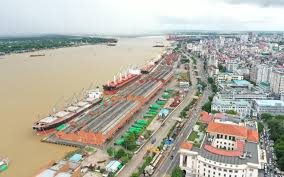
On June 3, 2026 the Myanma Port Authority reported a dramatic surge in maritime traffic with 55 massive container vessels scheduled for arrival this month, a figure officials call evidence of a post disruption rebound in regional export import corridors. We visited docks virtually spoke with longshore workers shipping executives and traders and traced how port operations, inland logistics and regional supply chains are adjusting to renewed volume and the lingering effects of recent upheavals.
First impressions at the quayside
Dockside life is sensory and relentless. At dawn cranes cast long shadows as crews secure lashings and drivers thread into container yards. The air carries diesel and salt with the metallic chatter of gantry rails and the intermittent calls of supervisors over radios. Terminal managers described an almost surgical choreography as berths are reassigned labor shifts extended and freight forwarders reorganize bookings to prevent bottlenecks. For workers the surge means overtime and steady income; for small exporters it carries hope that delayed shipments will finally reach buyers.
Why 55 vessels matter for trade lanes
The scheduled arrival of 55 very large container ships in a single month is meaningful because vessel size and frequency shape port throughput, hinterland capacity and regional routing choices. These ships typically carry tens of thousands of containers and their clustering suggests shipping lines are reoptimizing schedules after a period of disruptions that included supply chain shocks, regional transshipment shifts and upstream congestion. For Myanmar and neighboring hubs the influx offers revenue for terminals and cargo owners but also tests the capacity of yards, customs clearance and inland transport networks.
Operational challenges and short term risks
Terminals must absorb peaks without creating crippling dwell times. Short term risks include yard congestion, container stacking that complicates retrieval, and delayed truck turn times that ripple back to factories awaiting empty boxes. Customs operations can become chokepoints if staffing and digital processing are insufficient. Shipping lines and port operators told us they are deploying extra quay cranes temporary stacking areas and extended gate hours to smooth flows while coordinating with inland depots to expedite container drayage.
Hinterland logistics and inland connectivity
Ports do not end at the waterline. Rail and road corridors carry the economic pulse inland, and their capacity determines how quickly cargo flows clear. Inland container depots, freight rail links and trucking fleets are scaling operations, but long term investments in rail gauge upgrades cold storage for perishables and river transport are needed to avoid recurring congestion. Small exporters in textile and agricultural sectors welcome faster turnaround because it reduces working capital locked in containers while improving reliability for international buyers.
Economic and social impacts
The surge brings mixed outcomes. For stevedores truck drivers and logistics firms increased volume translates to higher earnings and new hiring. For local markets that supply fuel parts and food to port workers the effect is immediate. Yet communities near terminals often endure noise, traffic and air quality pressures that intensify with activity. Municipal plans for traffic management, worker accommodations and environmental monitoring will influence whether port growth sustains broad local benefits or amplifies neighborhood costs.
Shippers, routes and the reconfiguration of corridors
Shipping companies have been recalibrating routes to avoid chronic chokepoints and to restore schedule reliability. Some carriers are returning to direct calls at regional hubs rather than detouring through larger transshipment ports. That rerouting shortens transit times for exporters but raises competition for berth slots. Trade lane reconfiguration also affects freight rates. Where capacity tightens, spot freight costs can spike, and where carriers aggressively redeploy tonnage, rates can soften. Exporters managing thin margins must watch these dynamics to time shipments and negotiate contracts effectively.
What exporters can do immediately
Exporters can reduce risk by booking earlier, using flexible contracts with carriers, and diversifying routing options including multi modal solutions that combine river, rail and road. Strengthening relationships with freight forwarders and investing in accurate shipment tracking helps firms react quickly to schedule changes and minimize demurrage costs.
Regulatory and customs modernization
Customs efficiency determines how quickly cargo clears. The surge is exposing the value of electronic single windows risk based inspections and automated release systems that reduce face to face processing. Port authorities are accelerating digital initiatives and pilot programs for automated customs pre clearance to shorten dwell times. International standards and best practices such as those promoted by the World Customs Organization provide blueprints for risk management and trade facilitation that reduce delays while safeguarding revenue and security.
Environmental and resilience considerations
A rapid uptick in vessel calls increases emissions from auxiliary engines truck traffic and terminal operations. Ports that invest in shore power electrification cleaner cargo handling equipment and optimized vessel berthing schedules can lower local pollution and carbon footprints. Climate resilience matters too because extreme weather events can disrupt berthing and damage terminal equipment. Building back better means expanding reserve berths, reinforcing quay walls and investing in stormwater management so ports remain operational when weather threatens supply chains.
Regional cooperation and the ripple effects
Myanmar’s surge is not isolated. Neighboring transshipment hubs and inland gateways watch and sometimes mirror volume shifts. Effective regional cooperation on vessel scheduling, pilotage services and information sharing reduces the incentive for carriers to reroute cargo impulsively. Joint contingency planning that addresses labor shortages and equipment sharing during peaks can stabilize the entire corridor. Multilateral institutions and maritime associations can support cross border coordination by funding infrastructure and offering technical assistance for port modernization.
Where to follow verified shipping and port data
Readers seeking up to date vessel movements and port calls can consult maritime data platforms and official port authority notices. The United Nations Conference on Trade and Development maintains trade analysis and port performance indicators that help place local surges in a regional and global context.
Final read on trade resilience
The arrival of 55 massive container vessels in one month signals confidence in Asian maritime demand and a willingness by carriers to redeploy capacity toward recovering corridors. That shift offers economic opportunity but it also demands rapid operational adjustments, regulatory modernization and investments in sustainability and resilience. If port operators, inland logistics providers and policymakers coordinate effectively the surge can accelerate recovery for exporters and create steady employment. If coordination falls short, the gains may be short lived and the same chokepoints will recur when volumes rise again.
Ultimately the test for Myanmar and its trade partners will be whether they can convert this moment of increased traffic into durable efficiency that supports exporters workers and communities across the supply chain