On June 3, 2026 several Southeast Asian governments announced steep new import levies on cement and related construction materials from China and Indonesia after inbound volumes exceeded critical market share thresholds. We traveled through construction districts and met with quarry workers port handlers importers and small builders to assess the immediate effects on prices supply chains and workers whose livelihoods depend on a volatile building materials market.
What changed and why authorities acted
Regulators cited a rapid influx of low cost cement that undercut domestic producers and threatened local industry viability. Emergency trade measures range from ad valorem duties to specific safeguard tariffs intended to temporarily slow imports while domestic capacity and market balance are restored. Authorities framed the measures as necessary to prevent job losses in local cement plants and to preserve competition in national construction markets that underpin housing and infrastructure projects.
Scenes from the supply chain
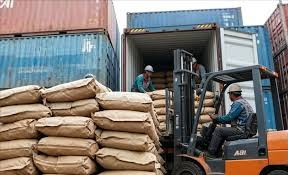
At a coastal terminal cranes unloaded bulks as freight forwarders processed paperwork under an anxious sky. Truck drivers queued with canvas tarps flapping and foremen checked manifests for origin certificates. Inside a small contractor yard a foreman sifted through price quotes, rubbing cement dust from his hands as he explained how a previous wave of cheap imports had squeezed margins and delayed payments to laborers. Across town a union representative described threatened layoffs at a mid sized mill that could not match the low landed prices of recent shipments.
How safeguard duties work in practice
Safeguard measures temporarily raise the cost of imports to restore competitive conditions for domestic suppliers. They are typically applied after investigations show that a surge in imports causes serious injury to local industry. Concretely this means importers pay additional duties at customs, which raise landed cement prices and reduce the immediate price advantage of foreign shipments. The measures are designed as a breathing space while governments seek longer term solutions such as productivity improvements or capacity rationalization.
Immediate market reactions and price effects
The duties produced an almost instant recalibration of quotes. Importers warned of higher landed costs that will likely be passed to builders and ultimately to consumers. For some projects that operate on thin margins, procurement teams are revisiting budgets and delivery timelines. Cement retailers reported stockpiling to avoid price spikes while developers signaled potential delays on non critical projects. Conversely domestic producers welcomed the duty as a chance to recover market share and reinstate stable pricing that supports local employment.
Short term impacts builders should prepare for
Construction firms will likely face higher input costs and should consider locking in contracts, negotiating staged deliveries, and reviewing alternative material mixes such as blended cements or supplementary cementitious materials that can lower cost without compromising quality. Public agencies managing infrastructure projects may need contingency allowances or renegotiation clauses to avoid work stoppages.
Wider economic and employment consequences
Protecting domestic industry can preserve manufacturing jobs in mills, quarries and logistics, but higher prices also affect housing affordability and construction sector employment where demand is price sensitive. Informal builders and small developers are most exposed because they lack procurement scale to absorb cost rises. Policymakers face a delicate balance between preserving industrial employment and preventing a broader slowdown in construction activity that supports local economies.
Trade relations and diplomatic tensions
Imposing duties on major trading partners risks diplomatic pushback and potential retaliatory measures. Exporting countries may contest the measures at the World Trade Organization or seek negotiation through bilateral channels. Officials indicated that duties are temporary and compliance with WTO procedures was observed, including the publication of investigative reports and consultations with affected trading partners. Still exporters and governments in the region will likely engage in discussions to resolve market access concerns and avoid escalation.
Domestic industry responses and capacity questions
Local cement producers signaled readiness to ramp up production but acknowledged constraints such as energy costs, raw material sourcing and environmental permits that limit quick scale up. Some firms announced overtime shifts and maintenance deferrals to increase output, while others proposed efficiency programs to lower production costs over the medium term. A recurring theme was the need for investment in brownfield upgrades and cleaner production technologies to remain competitive without relying on sustained protection.
Environmental tradeoffs
Cement production is energy intensive and a significant source of carbon emissions. A surge in domestic production to replace imports could raise local pollution and greenhouse gas output unless accompanied by cleaner fuels and efficiency measures. Policymakers must weigh industrial preservation objectives against national commitments to reduce emissions and improve air quality in industrial regions.
Support measures and policy alternatives
Some governments paired duties with support for domestic transition: fiscal incentives for energy efficiency grants for repurposing waste materials in cement and credit lines for plant modernization. Others proposed targeted support for low income housing to offset price pressures for vulnerable households. Economists recommended parallel measures that improve competitiveness such as streamlined permitting for capacity upgrades and investment in freight logistics to lower distribution costs.
What importers and exporters should watch
Importers should review contractual clauses, reprice inventory and consider diversifying sourcing or switching to higher value products such as specialty cements used in industrial projects where price sensitivity is lower. Exporters to the region will need to engage with trade authorities and explore tariff mitigation options such as preferential trade agreements or local assembly and blending arrangements that localize value and reduce tariff exposure.
International guidance and next steps
Stakeholders can consult the World Trade Organization for guidance on safeguard procedures and dispute resolution frameworks. For market data and industry trends the International Trade Centre provides trade statistics and analysis that help firms understand shifting demand patterns. Those resources support informed negotiation and strategic planning while legal channels remain open for contesting measures.
Final reflection
The introduction of import duties on cement marks a turning point for Southeast Asia construction markets as governments seek to protect domestic industry from sudden surges that threaten employment and market balance. The measures provide immediate relief for local producers but raise questions about housing affordability, regional trade relations and environmental outcomes. Effective policy will require accompanying actions that boost domestic competitiveness protect vulnerable consumers and maintain dialogue with trading partners so that short term safeguards evolve into sustainable industrial strategies.
Will authorities pair protective measures with reforms and investment that allow domestic producers to thrive responsibly while keeping building materials affordable for the communities that depend on them