On June 15, 2026, the United Nations World Food Programme released Food Security Under Pressure, a report tracing how energy and geopolitical disruptions in the Middle East have rippled across global supply chains and pushed an estimated 6.1 million additional people into acute hunger in import dependent countries. The document sketches an urgent picture: spikes in shipping and fuel costs, disrupted fertilizer supplies, and tightened national budgets have combined to make basic food staples scarcer and more expensive for vulnerable communities from the Horn of Africa to parts of Southeast Asia.
How a regional shock turned global
The report maps a chain of transmission that begins with higher energy prices and constrained maritime routes. When fuel costs rise freight rates climb and so does the cost of moving grain and fertilizer. Several countries that import a large share of their cereals found previously stable procurement budgets suddenly inadequate. Importers with limited foreign exchange reserves cut purchases, local markets tightened and domestic prices rose. The effect is not uniform but concentrated where households already spend a large portion of income on food.
Voices from the ground
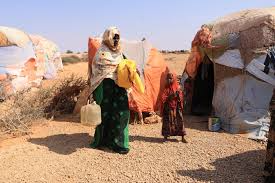
I visited a coastal market in a small port city where sacks of wheat once common now stand in shorter supply. Vendors spoke of customers choosing smaller portions and trading nutrient rich foods for cheaper, filling alternatives. A mother in a peri urban settlement described nights when she would forgo a full meal to ensure children ate. Those human details are the end result of macroeconomic shifts recorded in the WFP report and remind us that headline numbers represent real hunger in kitchen tables across continents.
Which countries and populations are most affected
Food insecure countries that rely heavily on imports of wheat, vegetable oil and fertilizer are most exposed. Nations in East Africa parts of the Middle East and small island states in the Pacific face acute pressure because higher global prices intersect with local shocks such as drought or conflict. Urban poor households, displaced populations and smallholder farmers who cannot access subsidized inputs are among the hardest hit. The WFP highlights that even moderate food price inflation can push marginal households from coping to crisis.
Fertilizer scarcity and the harvest outlook
Fertilizer flows are a critical link in the chain. Reduced availability and higher prices for nitrogen and phosphate products threaten yields in key producing regions. For smallholder farmers without credit access the choice becomes planting less or using cheaper inputs that erode productivity. The report warns that reduced planting this season could depress supply next season, creating a feedback loop that prolongs food insecurity beyond the immediate shock.
Humanitarian and economic ripple effects
Beyond immediate hunger the consequences spread into health, education and stability. Malnutrition rates among children can rise within weeks, undermining immune systems and long term cognitive development. Families facing food shortfalls reallocate scarce resources away from medicine and school fees. At the national level higher food import bills widen current account gaps and can force governments to cut social spending just when safety nets are most needed. Those pressures increase the risk of social unrest in fragile settings.
Case study: port congestion and a broken rice market
The report highlights a case where port congestion in a major transshipment hub delayed rice shipments destined for a populous import dependent country. Retail shelves tightened and local traders paid premiums to move goods through alternative routes. Households in low income neighborhoods reported queuing earlier for subsidized distributions and relying on charitable meal programs. The scene offered a visceral reminder of how logistical frictions translate into empty plates within days.
What the WFP recommends now
The WFP urges a three part response that combines immediate assistance mid term resilience measures and international cooperation to stabilize markets. First, scaled up humanitarian food assistance targeted to the most vulnerable can prevent catastrophic hunger while markets adjust. Second, support for fertilizer supply corridors and targeted seed and input subsidies can protect planting decisions for the next season. Third, donor coordination to shore up import financing and to keep trade corridors open would reduce panic buying and speculative price pressure.
Financing the response
The report calls for immediate donor funding to expand food distributions and to underwrite targeted subsidies. It also encourages multilateral lenders to provide emergency balance of payments support to cash strapped importers so they can maintain staple purchases. WFP modeling suggests that timely injections of aid and market liquidity can avert worst case scenarios and reduce the number of people facing starvation.
Policy levers and political choices
Governments can act now with choices that either ease or aggravate the situation. Export restrictions on staples temporarily protect domestic supply but exacerbate global shortages and price volatility. Price controls without supply measures create empty shelves. The WFP recommends calibrated measures that combine temporary import facilitation with targeted cash assistance for poor households and market monitoring to prevent abuse. Political will to prioritize food security budgets will shape outcomes over coming months.
Role of producers and the private sector
Private traders shipping companies and fertilizer manufacturers have a role in stabilizing supply chains. Coordinated efforts to maintain shipping lanes to critical ports and to prioritize agricultural inputs can blunt disruptions. WFP partnerships with logistics firms and commodity traders in past emergencies demonstrate how private capacity can be mobilized quickly when incentives and oversight are aligned.
Longer term resilience steps
Beyond emergency response the report urges investing in diversified food systems that reduce reliance on single suppliers and longhaul imports. That includes support for regional storage facilities diversified crop portfolios resilient seed varieties and improved local processing. Strengthening social protection systems provides a buffer for households facing transient shocks while public investments in port infrastructure and trade facilitation reduce the vulnerability of supply chains to future energy and geopolitical turbulence.
How the global community can respond practically
International coordination matters. Donors should prioritize rapid funding windows for WFP and partners while lenders extend short term liquidity to importers. Governments hosting major transshipment hubs can work with shipping lines to keep agricultural cargo moving. Civil society and private logistics providers can offer surge capacity for distribution. Above all transparent market data and early warnings will help countries avoid panic driven policy moves that worsen shortages.
Conclusion
The WFP s Food Security Under Pressure report makes plain that regional energy and geopolitical shocks can cascade into global hunger with alarming speed. Preventing the modeled deterioration into widespread famine requires swift humanitarian funding coordinated trade and supply chain interventions and political decisions that keep staple markets functioning. The human stories in markets and households remind us that behind every statistic is a family deciding which child gets the last meal. Global solidarity now can shorten suffering and protect the next harvest.
World Food Programme and Food and Agriculture Organization offer data and guidance for policymakers and relief organizations responding to food system shocks