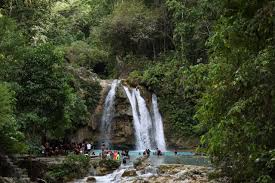
On June 15, 2026, Cebu Governor announced a P110 million rehabilitation blueprint for Kawasan Falls, one of Southeast Asia s most visited natural attractions. The multi million peso project intends to improve visitor safety repair eroded infrastructure and protect fragile ecosystems so local livelihoods tied to tourism can endure without sacrificing the canyon s signature turquoise pools and rippling cascades.
Why the rehabilitation is urgent
Kawasan Falls has long drawn both international travelers and Filipino day trippers to its steep limestone gorge and stepped plunge pools. Recent years brought record visitor numbers and a series of storms that accelerated bank erosion, damaged trails and strained sanitation systems. Local guides and barangay officials described walkways undermined by runoff makeshift viewing platforms and crowded informal vendors tied to fragile slopes. The governor framed the funding as corrective and preventive: repairing the most dangerous sections now will avoid larger restoration costs later and reduce the risk of accidents that already dent community trust in tourism.
Scenes that compelled action
Visiting the falls early in the morning, I heard the clack of sandals on unstable steps and smelled the wet earth after rain. Tourists leaned over unsafe barriers to photograph bowls of brilliant water while local porters ferried inflatable tubes along narrow tracks. Vendors tucked into the shade offered grilled seafood and plastic bottled drinks where proper waste receptacles were absent. Those sensory details are why officials said structural work must be paired with ecosystem measures so the place keeps its natural appeal without degrading into an overcrowded scenic postcard.
What the P110 million covers
The rehabilitation blueprint breaks funding across several priorities. It includes engineered slope stabilization to halt bank collapse, reconstruction of primary trails with durable non invasive materials, upgraded sanitation and wastewater systems to prevent contamination of downstream pools, and safer viewing platforms with regulated capacity. The project also budgets for riverbank reforestation and native plantings to reduce sediment runoff and create habitat corridors for local species. A portion of funds will support local training programs for guides and small business owners so the economic benefits of tourism remain community based.
Engineering with ecology in mind
Engineers emphasized that interventions will avoid heavy concrete where bioengineering solutions will suffice. Techniques include live staking using native trees root wads to anchor soil and permeable stepping structures that let water infiltrate naturally. These choices aim to maintain the gorge s hydrology and visual character while providing real durability during monsoon flows. Environmental assessments were cited as prerequisites before work proceeds to ensure interventions do not unintentionally alter water cascades or diminish spring recharge zones upstream.
Community participation and livelihood protections
Local stakeholders will play a role in planning and implementation. Barangay leaders, tour operators and vendors will be invited to participate in zoning discussions that designate vendor areas, walking routes and emergency access lanes. The province plans to formalize vendor permits and create microgrant programs to help small enterprises meet hygiene and safety standards. Officials stressed that rehabilitation must not displace household incomes but rather enable tourism to remain a sustainable source of work for nearby communities.
Training and capacity building
Part of the budget supports training for licensed guides in safety protocol first aid and visitor management. Certified guides will lead groups along defined trails, monitor capacity at key overlooks and help enforce waste separation. For boatmen and porters the province will offer courses on responsible guest handling and river safety. These human investments are designed to professionalize local services and improve the overall visitor experience while reducing the likelihood of accidents that can harm both people and the destination s reputation.
Environmental safeguards and monitoring
The blueprint calls for continuous environmental monitoring. Water quality testing will track turbidity nutrient loads and bacterial contamination to ensure public health and to measure the effectiveness of upstream sanitation improvements. Biodiversity surveys before and after restoration work will track impacts on riparian plants invertebrates and nested bird species that rely on the canyon s microhabitats. An independent environmental advisory committee including university scientists and civil society representatives will review findings and advise on adaptive management.
Tackling waste and visitor behavior
One visible problem has been litter and plastic pollution. The rehabilitation includes upgraded waste collection points composting for organic vendors and educational signage in multiple languages. Officials plan gentle enforcement such as fines for littering and incentives for visitors who join river clean up days. The outreach aims to cultivate a stewardship ethic among travelers so the site s natural beauty becomes a shared responsibility rather than an externality borne by local residents.
Balancing access and preservation
Managing visitor numbers will be critical. The province is exploring timed entry systems and daily capacity limits for the most sensitive pools to prevent overcrowding and trail erosion. Ticket revenues earmarked for maintenance and community projects will create a revenue loop so those who use the site contribute to its care. Officials acknowledged the tension between maximizing tourist income and protecting long term ecological function and said policy choices will prioritize durability and safety.
Economic stakes for the region
Kawasan Falls contributes to the local economy through guiding fees boat rentals food services and lodging in nearby towns. Damage that deters visitors would ripple through household incomes and municipal revenues. By investing in infrastructure and training now the province hopes to maintain tourism as a stable economic pillar while diversifying offerings such as community based homestays eco tours and interpretive nature trails that spread benefits beyond the falls themselves.
Project timeline and oversight
Officials expect phased work to begin in late 2026 with priority safety repairs completed within a year and longer term ecological restorations phased over two to three years. Procurement will emphasize local contractors and materials where possible to keep economic benefits local. The provincial government pledged transparent reporting with quarterly public updates and an online portal where community members can track budgets contracts and environmental monitoring results.
Voices of support and caution
Local environmental groups welcomed the focus on bioengineering and wastewater upgrades but urged vigilance on enforcement and long term funding for maintenance. Tourism stakeholders supported training and vendor formalization while asking for clear compensation pathways for those temporarily affected during construction. The shared sentiment was that the project s success depends on both solid engineering and inclusive governance.
Conclusion
The P110 million rehabilitation blueprint for Kawasan Falls aims to protect a treasured landscape while safeguarding the livelihoods that depend on it. By pairing structural repairs with ecological restoration community engagement and monitoring the province aims to keep the gorge safe and vibrant for residents and visitors alike. The next challenge lies in execution: ensuring work is sensitive to the canyon s natural character that benefits reach local people and that maintenance funding endures once the ribbon cutting is done.
Philippine Department of Environment and Natural Resources and the UNESCO sustainable tourism guidance provide resources that informed the project s environmental and management approaches