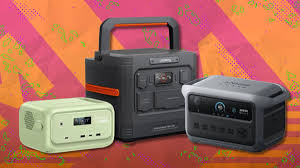
On June 16, 2026 major consumer electronics manufacturers unveiled a wave of multi port high capacity wireless and magnetic power hubs aimed at powering portable smart home appliances and off grid setups. The new devices promise to change how people use refrigerators, air purifiers, medical devices, and lighting outside fixed wiring, offering a blend of battery capacity, wireless charging, and modular connectivity that targets emergency preparedness, outdoor living, and energy resilient households.
What the products do and why they matter
These hubs combine high capacity lithium ion or lithium iron phosphate packs with multiple AC and DC outputs, integrated wireless charging pads, magnetic attachments for compact appliances, and fast recharging from solar panels or wall outlets. For consumers the appeal is practical: reliable power away from sockets, fewer adapter chains, and the ability to run essential devices during outages. For households thinking about resilience the units promise immediate utility for tasks that previously required separate generators or bulky inverter systems.
Design trends and technical features to watch
Across vendor lines several consistent design choices emerged. First modularity: battery packs that can be stacked or swapped allow users to scale capacity for longer runtimes. Second integrated wireless power delivery: Qi based pads and magnetic docks support phones, small fans, and portable lights without cables cluttering the setup. Third multi port versatility: a mix of USB C power delivery ports, 120 volt AC outlets, and 12 volt DC cigarette style sockets accommodates a wide range of appliances. Fourth rapid recharge: units advertise multi mode recharge via AC, high watt solar input, and vehicle charging with power recovery protocols that shorten downtime.
Safety, regulation, and battery chemistry
Manufacturers emphasized safer battery chemistries and robust management systems. Lithium iron phosphate packs are preferred in several models for greater thermal stability and cycle life. Built in battery management systems control cell balancing, overcharge protection, and thermal monitoring. Vendors also highlighted certifications for electrical safety and compliance with shipping regulations, an important reassurance for consumers planning to buy units for travel or international use.
Use cases and lived experiences
The new hubs appear in a variety of real life settings. A suburban family described using a modular pack to keep a chest freezer and several LED worklights running through a prolonged outage, the unit humming quietly in the garage while a rooftop solar array trickle charged it during the day. An urban resident purchased a compact magnetic dock to power a small induction cooktop during a weekend rooftop cookout, enjoying simpler setup and less cord clutter. Caregivers reported interest in units that can run CPAP machines for overnight use when grid reliability is uncertain, noting the importance of verified run time figures for medical applications.
Retail strategies and point of sale dynamics
Retailers are packaging the hubs with accessory bundles such as foldable solar panels, magnetic appliance mounts, and protective cases. Demonstration kiosks show runtime simulations for common devices and provide comparison metrics. Installment financing and trade in offers make higher capacity units more accessible to mainstream buyers. Retail staff training increasingly covers battery care, solar coupling, and safe storage practices so customers leave informed about realistic performance and maintenance.
Environmental and lifecycle considerations
Industry analysts and consumer advocates pointed to lifecycle impacts that buyers should consider. High capacity packs consume significant raw materials and require responsible end of life recycling programs. Some manufacturers have introduced buy back or recycling schemes and publish expected cycle life to help buyers calculate cost per cycle. Solar recharging lowers operational carbon footprints but buyers should compare embedded energy in device manufacture and potential for second life battery use in stationary storage to maximize sustainability benefits.
Affordability and equity
While premium units command high price tags, several brands introduced entry level models aimed at budget conscious households and community resilience programs. Non profit partners and municipal programs are piloting group purchase schemes that target households most vulnerable to outages. Such programs combine subsidies with training on safe operation and maintenance so that resilience is not only a luxury for affluent buyers.
Interoperability and ecosystem development
Interoperability is emerging as a competitive advantage. Vendors that support standard wireless charging, USB C power delivery profiles, and common battery stacking interfaces enable a broader ecosystem of compatible accessories. Some manufacturers published open specifications for magnetic mounting systems to encourage third party appliance makers to create form factor friendly devices. Interoperability reduces vendor lock in and helps communities build mixed vendor systems that meet diverse needs.
Regulatory and safety oversight
Regulators are watching the rapid rollout. Safety agencies emphasize proper labeling for run times, required cooling clearances, and guidance for indoor versus outdoor use. Aviation and shipping rules limit transport of certain battery sizes, so vendors increasingly offer rental options or depot based logistics for event planners and relief organizations. Consumer agencies recommend that buyers verify medical device compatibility and consult clinicians before relying on portable units for critical care equipment.
Implications for home energy systems
For many homeowners these portable hubs act as a bridge between small scale solar and permanent home storage. They can offload critical circuits during outages, provide temporary backup for essential appliances, and serve as mobile energy for outdoor activities. Installers now advise using modular portable packs as part of a layered resilience strategy that includes grid connected solar, whole home surge protection, and clearly labeled manual transfer procedures for safe operation during grid outages.
Where to get reliable product information
Consumers should consult independent test reports and verified runtime benchmarks from trusted sources such as consumer testing laboratories and energy research centers. Comparative reviews that measure continuous load performance, recharge time from solar, and safety under stress provide practical insights beyond marketing claims. For technical standards and guidance on battery safety the U.S. Consumer Product Safety Commission and similar agencies in other countries publish recommendations that help buyers assess risk and compliance.
Practical buying checklist
To choose a hub that matches specific needs consider these factors: realistic continuous run time for target appliances, supported recharge methods and expected recharge time from solar, battery chemistry and expected cycle life, certifications for safety and shipping, size and weight for portability, and accessory ecosystem for magnetic or wireless appliance attachments. Buyers with medical needs should confirm device compatibility and vendor warranties that cover medical use.
Final observation
The arrival of multi port high capacity wireless and magnetic power hubs at retail signals a shift in how consumers think about household energy. These products bring convenience and resilience, but they also require informed purchasing, safe operation, and attention to sustainability across their life cycle. When used thoughtfully they offer a practical way to keep essential devices running, simplify portable living, and make energy more adaptable to daily life.